A drug already carrying years of human safety data from trials for Parkinson’s disease and ALS just produced a striking result in a different disease altogether. Researchers at Monash University gave the compound to mice bred to develop Alzheimer’s, then watched what happened inside the animals’ brains over eight weeks of treatment. Numbers from that study point less toward killing off diseased tissue and more toward repairing a system the brain already owns.
Toxic protein levels dropped once treatment began. Memory scores climbed as well. None of it happened in a human patient yet, but researchers say the path toward testing one just got shorter.
A Copper Compound Built for Other Diseases
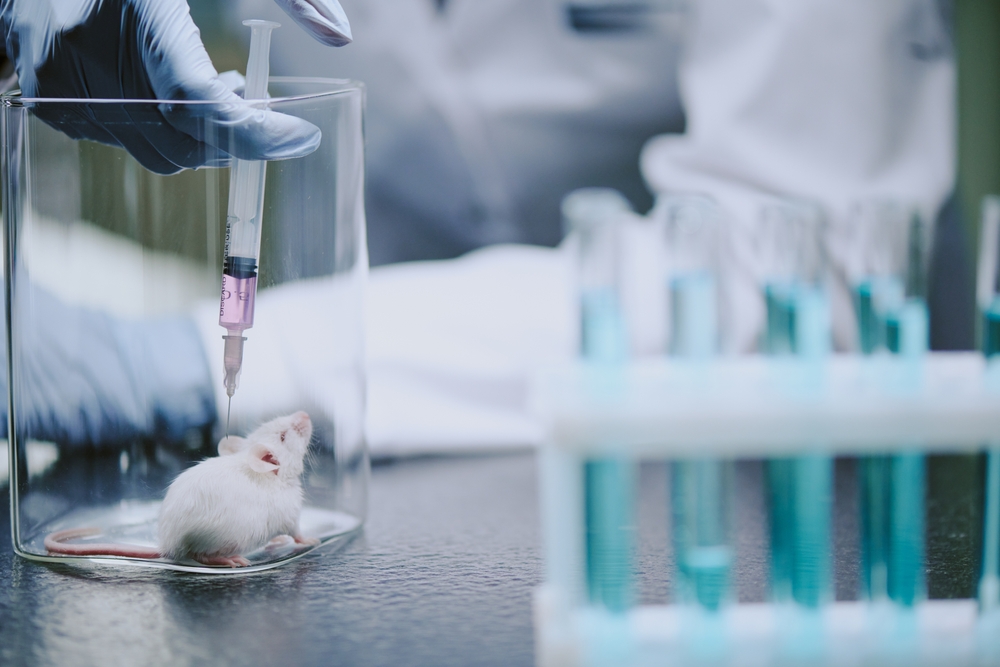
Monash University researchers tested a copper-based compound called Cu(ATSM) on APP/PS1 mice, a genetic strain bred to develop Alzheimer’s-like brain disease. Scientists dosed the animals at 30 milligrams per kilogram daily for 56 days, then compared brain tissue and behavior against untreated mice from the same colony. Findings appeared June 15 in the journal ACS Chemical Neuroscience.
Researchers didn’t design Cu(ATSM) with Alzheimer’s in mind. Doctors have already tested the compound in human trials for Parkinson’s disease and ALS, conditions unrelated to dementia beyond sharing damage to the nervous system. Earlier testing gave researchers a head start most new drugs never get. Safety data from real patients already existed, gathered years before anyone tried the compound on Alzheimer’s.
Why Toxic Protein Piles up in the Brain
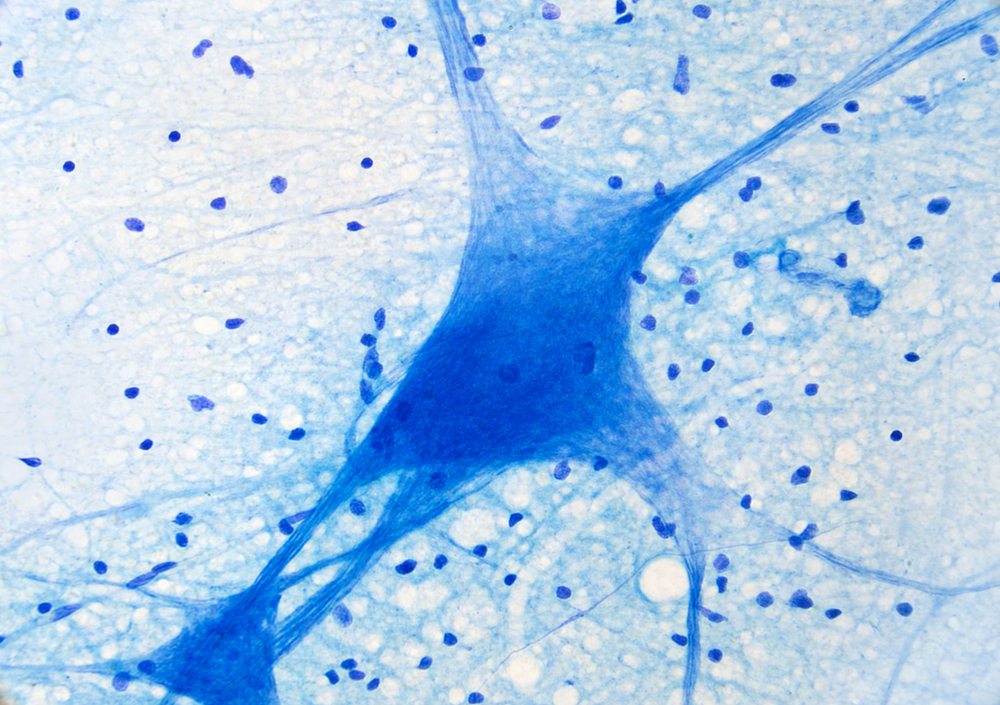
A protein called amyloid-beta drives Alzheimer’s disease. Brain cells produce amyloid-beta as part of ordinary function, and a healthy brain flushes it out through blood vessels lining the skull. Specialized pumps called P-glycoprotein, known as P-gp, sit at the blood-brain barrier and push amyloid-beta out into the bloodstream, where the body disposes of it.
Alzheimer’s patients lose much of that pump function. P-gp weakens, waste stays trapped inside the skull, and amyloid-beta piles up into sticky plaques doctors link to memory loss and cognitive decline. Framing the disease this way changes the target for treatment. Rather than attacking plaques once they’ve formed, Monash researchers went after the pumps that failed to clear amyloid-beta in the first place.
That shift matters because most high-profile Alzheimer’s drugs of recent years took the opposite route. Antibody treatments cleared by regulators work by binding to amyloid and marking it for removal, going after the plaques directly. Repairing the brain’s own drainage system attacks the problem from upstream instead, targeting the reason waste accumulates rather than the waste itself. Both approaches aim at the same protein, but through different doors.
The Blood-Brain Barrier as a Filter

Understanding the finding means understanding the barrier where it happened. Blood vessels feeding the brain don’t work like vessels elsewhere in the body. Cells lining them pack together far more tightly, forming a wall that blocks most substances from crossing between blood and brain tissue. Doctors call that wall the blood-brain barrier, and it protects the brain from toxins, pathogens, and swings in blood chemistry that the rest of the body tolerates.
A barrier that selectively creates a disposal problem, though. Waste produced inside the brain, including amyloid-beta, can’t simply drain out the way it does in other organs. Instead the brain relies on transport pumps like P-gp embedded in that barrier to push specific molecules across it actively. When those pumps run well, amyloid-beta clears into the bloodstream at a healthy rate. When they weaken, as they do in Alzheimer’s, the barrier that once protected the brain starts trapping the very waste it should help remove. Cu(ATSM) works at exactly that chokepoint.
What Happened Inside the Treated Mice
Mice given Cu(ATSM) showed a 24.1 percent rise in P-gp pump abundance at the blood-brain barrier compared to untreated mice. Copper concentration in brain microvessels climbed by nearly 230 percent too, evidence the drug reached its target tissue rather than passing through the body unused. Cortical amyloid-beta levels fell by 42.1 percent over the same 56 days.
Researchers also tracked the speed at which treated brains cleared fresh amyloid-beta injected into the cortex, finding an 11.9 percent trend toward faster clearance compared to untreated mice, though that result fell short of full statistical confirmation. Dr. Jae Pyun, who led the study as the final piece of his PhD project at the Monash Institute of Pharmaceutical Sciences, connected pump repair to protein clearance in plain terms.
“This is the first study to show that Cu(ATSM) can increase the abundance of P-gp clearance pumps in an Alzheimer’s model, by 24.1 per cent, effectively linking the repair of the blood-brain barrier to a reduction in toxic proteins and improved cognitive function,” Pyun said.
The copper measurement carries weight of its own. A drug can look promising in theory yet never reach the tissue it targets, especially when that tissue sits behind the blood-brain barrier. Finding copper concentrated in the brain’s microvessels told researchers the compound crossed into the brain and gathered where they wanted it, at the blood vessels housing the pumps. Target engagement of that kind separates a drug that works in principle from one that works in practice.
Memory Scores Rose as Protein Levels Fell
Researchers tested the mice using the Barnes maze, a standard rodent test for spatial learning and long-term memory. Animals learn to find one target hole among many identical holes on a raised, brightly lit platform, guided by visual cues placed around the room rather than smell, since mice generally prefer escaping into a dark box below the platform over staying exposed. Speed and accuracy at finding that hole across repeated trials measure how well an animal learns and remembers.
Treated mice improved by 43.8 percent compared to untreated mice, a difference the published paper reports with a p-value of 0.0087, a figure researchers use to rule out chance as the explanation. Pyun summed up the link between biology and behavior in one line. “By improving the pumps, the brain can finally clear out the trapped waste. Over 56 days, the treatment reduced toxic amyloid-beta by 42 per cent and improved spatial learning by nearly 44 per cent,” he said.
Pairing a biological change with a behavioral one strengthens the result. A drug might lower amyloid on a lab readout while leaving an animal no sharper than before, which would raise doubts about whether the protein drop meant anything for how the brain works. Watching memory scores climb alongside the amyloid reduction gave researchers reason to connect the two, though a mouse navigating a maze and a person losing memories to Alzheimer’s remain far apart.
A Drug With a Head Start Toward Human Trials
Professor Joseph Nicolazzo, senior author on the study and director of the Centre for Drug Candidate Optimisation at MIPS, pointed to Cu(ATSM)’s existing trial history as reason for hope about speed. Testing a brand-new molecule in Alzheimer’s patients takes years of safety trials before researchers can even ask whether the drug works at all. Cu(ATSM) cleared that bar already, for other diseases.
“Cu(ATSM) is a copper compound with anti-inflammatory and neuroprotective properties that has already progressed to clinical testing for conditions like Parkinson’s and ALS,” Nicolazzo said. “Because reducing amyloid burden is clinically proven to improve functional outcomes, these preclinical results strongly support the rationale for testing this drug in early symptomatic Alzheimer’s disease.”
Nicolazzo’s comment describes a case for testing the drug next in Alzheimer’s patients, not confirmation that a human Alzheimer’s trial has started. Every figure in the study comes from laboratory mice, and mouse results don’t always hold up once a treatment reaches human biology. Drug development history runs thick with compounds that cured Alzheimer’s-like disease in mice, then failed in people, in part because the APP/PS1 model and other engineered strains reproduce only pieces of a disease that unfolds over decades in humans. A safety record from earlier trials shortens the road, yet it settles nothing about whether the compound helps a human brain.
Questions Researchers Still Need Answered
Scientists confirmed P-gp pumps rose and amyloid-beta fell, but the exact route toxic protein takes once pumps push it out of the brain remains unmapped. Cu(ATSM) may work through more than one channel too. Researchers suspect the drug boosts activity in microglia, immune cells native to the brain that consume and break down amyloid plaques on their own, separate from anything happening at the blood-brain barrier.
Future studies plan to track the precise pathway amyloid-beta follows leaving brain tissue for the bloodstream. Neither the microglia theory nor the full clearance pathway has confirmation yet, and the research team frames both as open questions rather than settled findings. Pinning down the mechanism carries practical stakes, since a drug whose workings are understood in detail gives regulators and future trial designers firmer ground than one that simply produces good numbers for reasons no one can fully explain.
A Disease Outpacing Current Treatments

Dementia recently passed coronary heart disease to become Australia’s leading cause of death. Populations keep aging worldwide, and dementia-related deaths keep climbing with that shift, leaving little room for treatments that arrive slowly. Existing drugs that clear amyloid slow decline modestly at best and carry side effects, so researchers keep hunting for approaches that work through different biology.
Pyun led the study with co-authors Pranav Runwal, Oliver Fuller, Casey Egan, Professor Mark Febbraio, Associate Professor Jennifer Short, and Professor Nicolazzo from the Monash Institute of Pharmaceutical Sciences. Dr. Asif Noor, Celeste Mawal, Professor Paul Donnelly, and Professor Ashley Bush from the University of Melbourne rounded out the team. Mouse data alone can’t answer whether Cu(ATSM) helps people living with Alzheimer’s, but the compound’s existing safety record gives that question a faster route to an answer than most experimental drugs ever get.
Reference: Pyun, J., Noor, A., Runwal, P., Mawal, C., Fuller, O. K., Egan, C. L., Febbraio, M. A., Donnelly, P. S., Short, J. L., Bush, A. I., & Nicolazzo, J. A. (2026). CU(ATSM) restores Blood–Brain barrier abundance of P-Glycoprotein and improves cognitive function in the APP/PS1 mouse model of Alzheimer’s disease. ACS Chemical Neuroscience, 17(12), 2389–2405. https://doi.org/10.1021/acschemneuro.6c00252