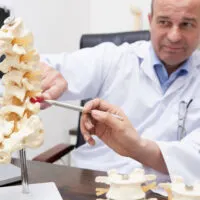
For decades, the idea of restoring bone that has already deteriorated has lived somewhere between medical challenge and scientific aspiration. Osteoporosis has long been seen as a one-way road, a slow and steady erosion of the body’s structural foundation. While treatments exist, they mostly act like brakes on a downhill slide. They slow bone loss, but rarely rebuild the architecture that has already crumbled. Yet on the edges of laboratories across the world, something remarkable has begun to shift. Emerging research from Germany, China, the United States, and multiple collaborative institutions points toward a future in which the body may be encouraged to regenerate bone with a precision once thought impossible.
This evolution is not unfolding along a single path. Instead, scientists have discovered several overlapping mechanisms that influence bone development, decay, repair, and regeneration. These discoveries include a powerful bone building receptor activated by a small molecule compound, a blood based regenerative implant, a maternal hormone with astonishing skeletal effects, a newly identified protein responsible for steroid related bone loss, and even the possibility of reversing osteoporosis with a simple pill. Taken together, these findings suggest that the body may contain more innate regenerative intelligence than previously known.
Beyond the biology, this scientific moment invites a deeper question. Why is the body capable of such dramatic rebuilding in the first place, and what does that say about human resilience? In many spiritual traditions, the skeleton is seen as a symbol of enduring strength, a material expression of the deeper energetic structure that holds life together. As science uncovers new insights into bone growth and repair, these discoveries echo an ancient idea that the body is far more dynamic, intentional, and interconnected than we imagine.
In this article, we will explore the emerging breakthroughs that may unlock the ability to reverse bone loss, restore density, and reshape how we understand aging. We will also examine the subtle connections between biological regeneration, consciousness, and the spiritual symbolism of bone as the anchor of the human form.
The Discovery of GPR133 and the Awakening of Bone Forming Cells
One of the most exciting findings in recent bone research centers around a receptor known as GPR133, or ADGRD1. This receptor sits on the surface of osteoblasts, the cells responsible for building bone. Researchers from the University of Leipzig in Germany and Shandong University in China have shown that GPR133 plays a key role in maintaining bone density. When the gene for this receptor is missing in mice, their bones grow fragile early in life, closely mimicking osteoporosis. But when the receptor is activated by a compound called AP503, the results are dramatically different. Instead of weakening, bones grow stronger, denser, and more resilient.
AP503 operates like a biological switch that turns up osteoblast activity. When researchers introduced this compound to mice, both healthy and osteoporotic animals experienced measurable improvements in bone strength. The compound was originally identified using computer-assisted screening, a process that combs through vast chemical libraries to pinpoint substances that might activate specific receptors. Once recognized as a GPR133 stimulator, AP503 quickly became a promising therapeutic candidate.
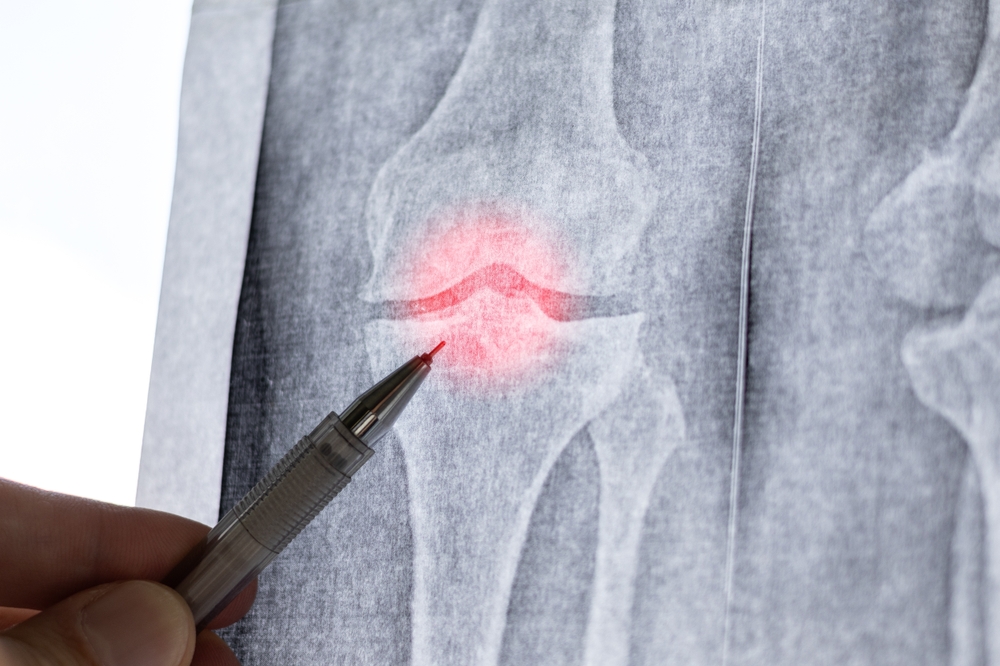
What makes this discovery even more compelling is the synergistic effect between AP503 and exercise. The study demonstrated that physical activity further amplified the bone-strengthening effects of the compound. This suggests that bone health is not just a product of one intervention. Instead, it emerges from a complex interplay between molecular signals and mechanical forces. Bones thrive when stimulated from both the inside and the outside.
This interaction mirrors the way many spiritual systems describe the body. Energy must move and material must respond. Growth occurs when the internal and external worlds communicate. The discovery of GPR133 highlights this relationship. It shows that bone building is not a passive process. It is active, responsive, and deeply influenced by how we live and move.
The Body’s Regenerative Wisdom and a Blood Based Bone Repair Implant

While the GPR133 breakthrough focuses on molecular activation within bone forming cells, another stunning innovation draws from a completely different realm: the natural intelligence of blood. In 2024, researchers developed a regenerative implant created directly from a patient’s own blood. This implant, described as a biocooperative regenerative material, uses synthetic peptides to enhance the structure that forms when blood clots.
When tissue is injured, blood naturally creates a barrier that begins the healing process. Scientists discovered they could amplify this natural mechanism by adding a peptide-based structure that improves the clot’s stability and regenerative capacity. The resulting gel is not only highly effective in repairing bone damage but can also be 3D printed to fit specific anatomical needs.
In rat studies, this blood based gel supported significant bone repair. It did not merely fill the space but encouraged the growth of robust new bone tissue. The implications for human healing are profound. Instead of relying solely on foreign implants or metal hardware, patients may one day use their own biology as the foundation for bone restoration.
This approach aligns with the spiritual principle that the body contains its own medicine. In many ancient healing traditions, the idea that life force, blood, and intention play crucial roles in regeneration is long established. The scientific validation of blood as a building block for restorative therapies bridges ancient wisdom with modern innovation. It suggests that healing may come not only from external intervention but from reawakening dormant capacities within the body itself.
Maternal Brain Hormone and the Secret Blueprint for Ultra Strong Bones
Another breakthrough emerged when researchers identified a hormone in female mice called maternal brain hormone, or MBH. This hormone, produced under specific reproductive conditions, appears to dramatically strengthen bone. When introduced to both male and female mice, MBH increased bone density, mass, and mineralization beyond what scientists had been able to produce using any other known method.
The bones did not simply grow thicker. They became exceptionally strong. Researchers described them as unusually mineralized, suggesting that MBH activates a deep blueprint for enhanced skeletal structure. The hormone appears to tap into an ancient biological program that equips the body to support new life. During pregnancy and early care, the maternal skeleton must adapt to meet the demands of reproduction. The discovery that this program can be activated outside of pregnancy opens a new frontier for therapeutic development.
MBH challenges the idea that bone loss is an inevitable consequence of aging. Instead, it suggests that the body retains special regenerative scripts that can be triggered under the right conditions. These dormant programs may hold the key to restoring bone that has deteriorated over decades.
This concept resonates with spiritual notions of latent potential, hidden intelligence, and the cyclical nature of growth. Just as the moon contains phases and the earth cycles through seasons, the human body may contain regenerative cycles that have simply not been fully understood. MBH seems to unlock one of these cycles, revealing that the capacity for renewal is embedded within the deep biology of life itself.
Basigin, Steroids, and the Hidden Driver of Bone Loss

Another layer of bone research focuses on the destructive side of the equation. Scientists at UC Davis Health discovered that a protein called Basigin plays a major role in bone deterioration caused by long term steroid use. Steroids like prednisone are essential for treating inflammation, autoimmune disorders, and many chronic diseases. But their side effects are severe. They weaken bones, disrupt blood vessels in bone tissue, and increase fracture risk.
Researchers found that steroids trigger skeletal stem cells to release Basigin, which in turn interferes with the cells’ ability to form healthy bone and maintain proper vascular networks within bone tissue. When Basigin was blocked with an antibody, bone loss stopped. Even more impressively, bone strength returned. In older mice with naturally declining bone health, blocking Basigin improved bone density, suggesting potential applications for age-related osteoporosis.
This discovery is significant because it provides a direct target for preventing one of the most common forms of bone deterioration. It also reveals that bone loss is not simply a mechanical failure but a signaling imbalance. Correct the signal and the system recalibrates.
The Basigin story also reflects a deeper metaphor. At times, the body’s attempts to defend itself can create unintended damage, much like how emotional or psychological defenses can sometimes weaken rather than strengthen the spirit. The path to healing, in both biology and spirituality, often involves recognizing harmful patterns and learning how to interrupt or recalibrate them.
The Pill That Could Reverse Osteoporosis

The final major breakthrough comes from researchers at Florida International University. Their work focuses on a receptor known as RXFP2, originally associated with reproductive development. When scientists discovered that mutations in this receptor were linked with osteoporosis in certain patients, they began exploring its role in bone formation.
Through extensive screening of over 80,000 small molecules, researchers discovered compounds capable of activating RXFP2. When these small molecule activators were administered orally to mice, bone density improved. This finding points toward a future in which a pill could stimulate bone forming cells to rebuild lost bone tissue.
The significance of this discovery lies not only in its convenience but in its accessibility. A safe, effective oral medication could transform osteoporosis treatment worldwide. Instead of injections, infusions, or complex interventions, patients may one day take a tablet that encourages their own body to restore skeletal strength.
From a symbolic standpoint, the simplicity of a bone restoring pill invokes the idea that solutions to complex problems may sometimes be unexpectedly elegant. The body already knows how to build bone. The challenge is not teaching it but reminding it. In this sense, activating RXFP2 could be seen as reawakening an ancient biology rather than imposing something artificial.
How These Discoveries Connect and What They Reveal About the Human Body
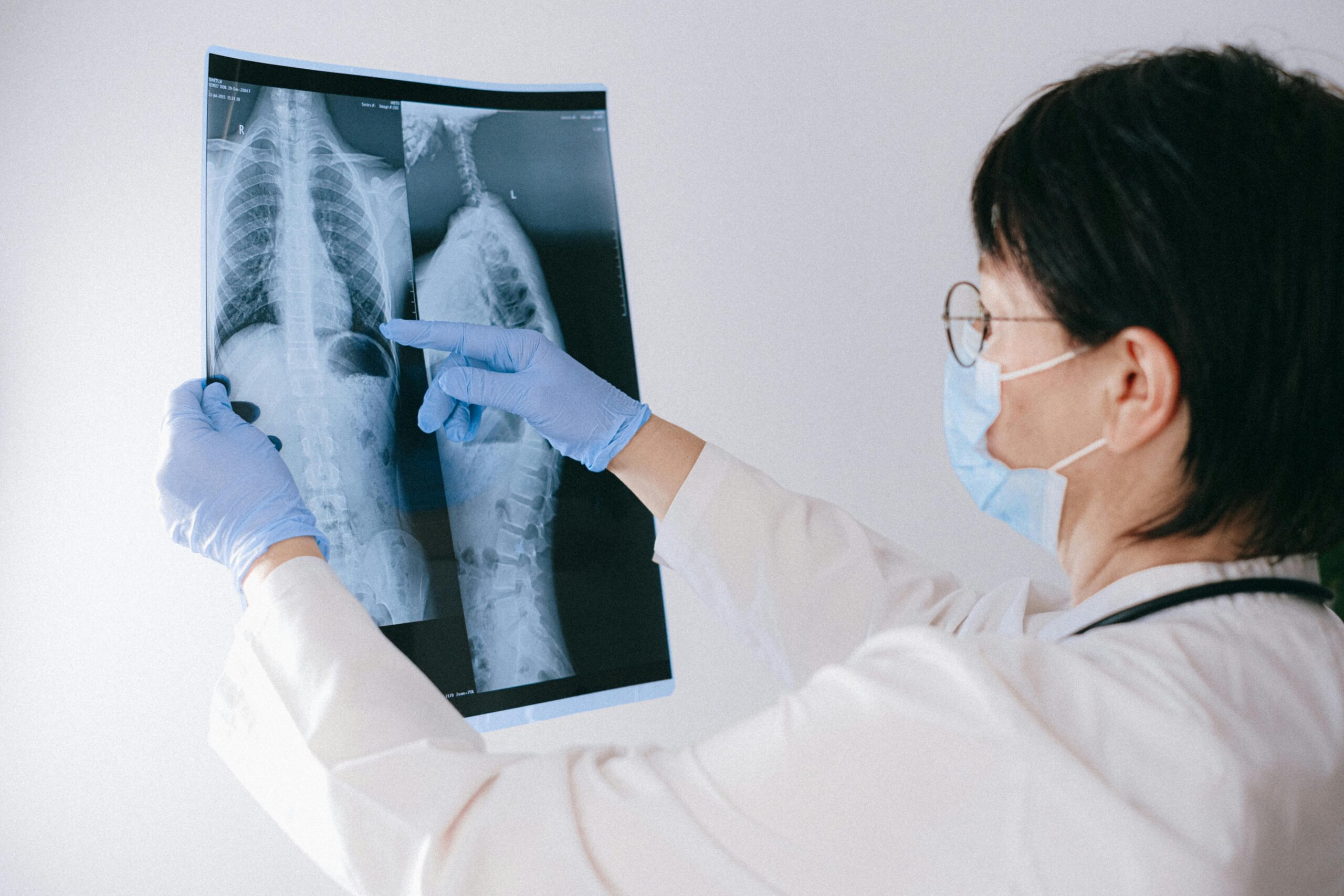
Although these breakthroughs come from different directions, they share several key themes. Each discovery identifies a mechanism that already exists within the body. Whether through receptors, hormones, natural repair processes, or cellular interactions, the body contains numerous pathways capable of rebuilding bone. The challenge is not inventing regeneration but unlocking it.
Together, these findings suggest that osteoporosis is not simply a condition of decline. It may be, in many cases, a condition of blocked communication. When certain receptors are switched off, when mechanical stimulation is lacking, when hormones diminish, or when proteins disrupt normal stem cell behavior, bone formation slows. But restore these signals and the system comes back online.
This is consistent with the growing scientific understanding that aging is not a passive deterioration but an accumulation of miscommunications in the network of the body. In spiritual traditions, aging is often described as a thinning of the energetic pathways that sustain vitality. The parallels are striking. Whether through the lens of biology or consciousness, restoring flow and reconnecting pathways is essential for maintaining strength.
The Spiritual Archetype of Bone and the Deeper Meaning of Regeneration
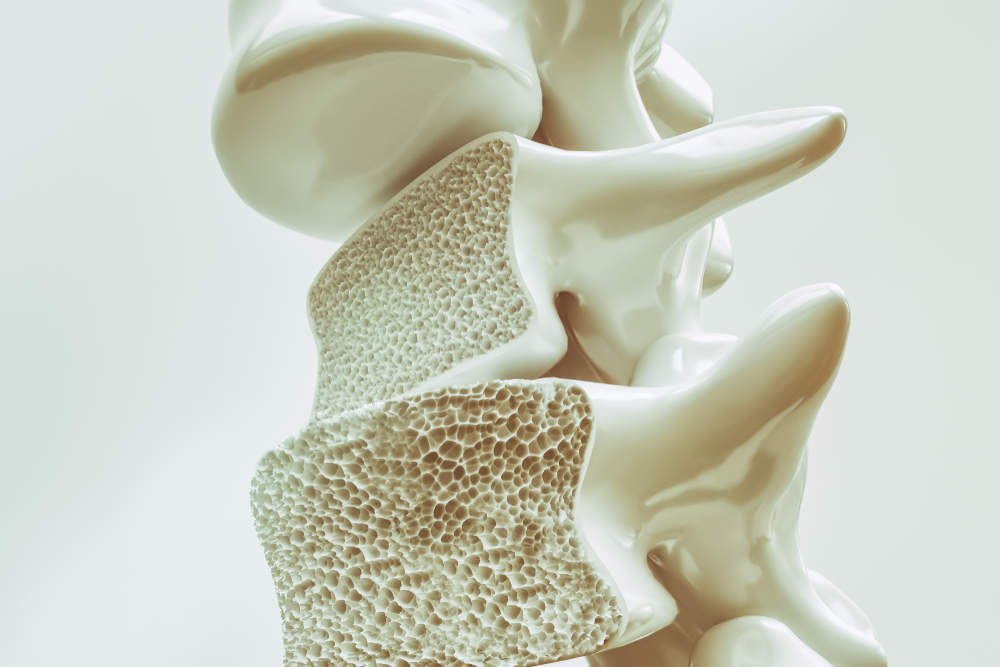
In many world traditions, bones symbolize persistence, memory, and the underlying structure of life. They endure long after flesh dissolves, serving as the scaffolding upon which physical existence is built. In shamanic cultures, bones are seen as the carriers of ancestral knowledge. In Taoist philosophy, they are linked with the element of water, representing deep reserves of vitality. In the yogic system, bone marrow is associated with the subtle life force that regenerates tissues and supports longevity.
The scientific breakthroughs described here echo these ancient ideas. The discovery that bone can be rebuilt through internal mechanisms suggests that the skeleton is not merely a static frame but a living, responsive system capable of profound renewal. This aligns with the spiritual view that the body is a dynamic vessel shaped by both physical and energetic forces.
These findings also invite contemplation about resilience. Bones break but they also heal. They thin but can thicken again. They lose strength but can regain it. They respond to intention, movement, nutrition, hormones, and even subtle biological signals. In this way, the science of bone regeneration becomes a metaphor for the human experience. Strength is not fixed. It is built, lost, and rebuilt again through cycles of challenge and restoration.
A Future Where Reversing Bone Loss Becomes Reality
Although these discoveries are still emerging and much of the research has been conducted in animals, the direction is clear. The future of osteoporosis treatment is shifting from slowing decline to restoring strength. Therapies may soon activate bone forming receptors, block deterioration signals, harness the power of blood, or use targeted hormones. They may even come in the form of a daily pill.
For millions of people, this represents more than medical progress. It represents hope. The idea that the body can heal and regenerate, even late in life, aligns with a broader spiritual truth: growth is always possible. Whether through scientific intervention, lifestyle transformation, or deeper alignment with the rhythms of the body, the potential for renewal remains.
As research continues, the divide between biological science and spiritual understanding grows thinner. Both perspectives recognize that life is not static. It is always reorganizing, rebalancing, and seeking harmony. In discovering new ways to reverse bone loss, scientists are not just uncovering medical treatments. They are revealing the profound intelligence woven into the human form.