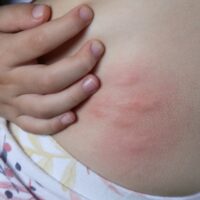
Millions of families are preparing to travel for Thanksgiving, but doctors are raising concerns about a health risk that many Americans have rarely encountered in recent decades. Measles outbreaks are emerging across the country as vaccination rates decline, creating fresh concerns about how easily the highly contagious virus could spread during the holiday season. Crowded airports, busy indoor spaces, and large family gatherings could provide additional opportunities for transmission, particularly in communities where fewer people have protection against the disease.
Parents with young babies have particular reason to pay attention. Infants are especially vulnerable because they are usually too young to receive their first routine measles, mumps, and rubella (MMR) vaccine. Although some babies receive protective antibodies from their mothers during pregnancy, that protection gradually decreases during the first months of life. Infectious disease specialists are therefore encouraging families to review their vaccination records and speak with pediatricians before traveling, especially if their destinations are experiencing measles outbreaks.
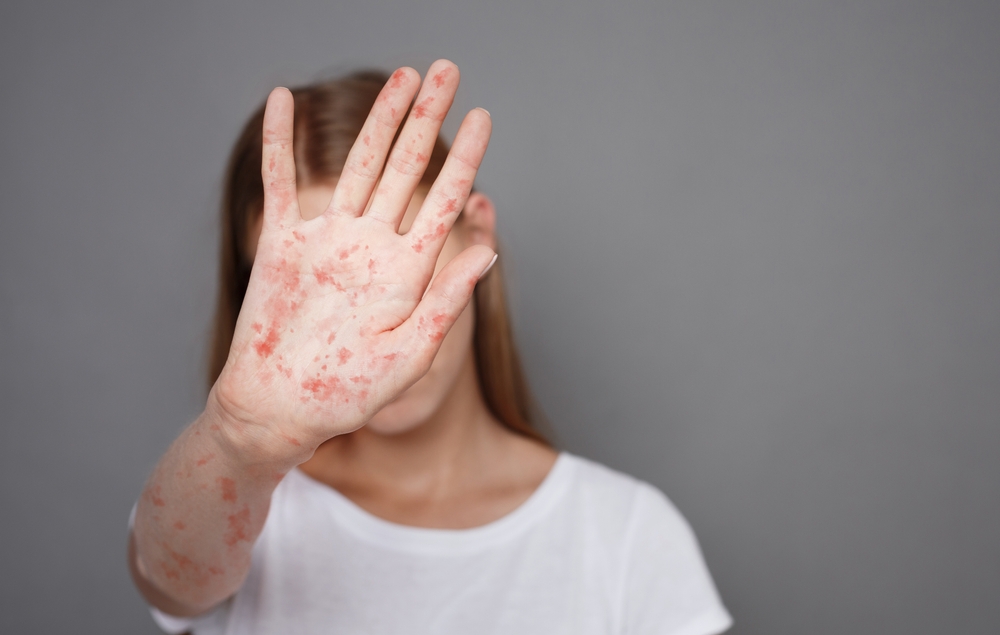
Why Doctors Are Concerned About Measles This Thanksgiving
The combination of declining vaccination rates and increased holiday travel has infectious disease specialists watching the situation closely. Millions of Americans will spend Thanksgiving visiting relatives, attending celebrations, and moving through crowded public spaces. These activities bring together people from different communities, including areas where measles outbreaks may already be occurring. When an infected person enters a community with insufficient vaccination coverage, the virus can spread quickly among people who lack immunity.
Dr. Kami Kim, an infectious disease specialist with the University of South Florida and Tampa General Hospital, believes the success of measles vaccination has contributed to a reduced awareness of the disease’s dangers. Many people have grown up without seeing a measles case, making it difficult to appreciate how serious an infection can become. Kim explained, “Measles is one of the ones that I think it’s been such a success that people just haven’t seen all the bad stuff that can happen.”
This lack of familiarity can create a false sense of security, particularly among families who have never experienced an outbreak. Measles can cause serious complications, including pneumonia and brain swelling, and severe infections can sometimes result in death. Infants and people with compromised immune systems face particular concerns because they may have limited protection against infection. For families planning holiday gatherings, checking vaccination status and understanding local outbreak conditions can help reduce unnecessary exposure risks.
Measles Can Remain In The Air After Someone Leaves
One of the most concerning characteristics of measles is how efficiently it spreads between people. The virus is even more contagious than COVID-19 and can remain in the air for up to two hours after an infected person leaves a room. This means potential exposure can occur in shared indoor spaces even when the infected individual is no longer physically present. Busy airports, waiting areas, shopping centers, and crowded family homes can therefore create additional challenges during a period of increased travel.
Dr. Kim emphasized that many people underestimate the infection because they have never witnessed its effects firsthand. “Most people haven’t seen a case of measles. So they don’t understand how bad measles can be,” she said. The absence of regular outbreaks has made measles feel distant for many families, even though the virus remains capable of causing serious illness. People who have not experienced the disease may also be less aware of the importance of maintaining vaccination protection.
The health consequences can extend well beyond the initial symptoms. Measles may cause fever, cough, and a characteristic rash, but complications can become much more serious, particularly among vulnerable individuals. Pneumonia can affect the lungs, while brain inflammation can cause dangerous neurological complications. Some infections can become life-threatening, making prevention especially important for babies who have not yet reached the recommended vaccination age. Understanding how measles spreads gives families a better opportunity to assess their travel plans and protect vulnerable relatives.
Why Babies Face A Vulnerable Window Before Vaccination
Infants are among the groups doctors are particularly concerned about during measles outbreaks. Children generally receive their first routine MMR vaccine between 12 and 15 months of age, meaning younger babies have not yet received their standard first dose. During pregnancy, mothers with measles immunity can transfer protective antibodies to their babies. These antibodies provide some protection during early infancy, but their levels gradually decline during the first several months after birth.
That decline creates a period when babies may have less protection against measles before becoming eligible for routine vaccination. The situation can become particularly concerning when families live in or travel to communities experiencing outbreaks. A baby may attend a gathering where relatives have recently traveled through crowded public spaces or visited areas with reported infections. Even when parents carefully manage their child’s surroundings, preventing every possible exposure can become difficult when a highly contagious virus is circulating.
Dr. Kim described the challenge of protecting infants when measles spreads through a community. “If you’ve got a vulnerable person like your baby, it’s so hard to protect them. It just sweeps through the community,” she explained. Her warning highlights why parents should consider their baby’s vaccination status before making holiday travel arrangements. Families with infants can discuss possible exposure risks with their pediatricians and ask whether additional precautions are appropriate for their circumstances.
Can Babies Receive An Early MMR Vaccine Dose?
Parents traveling to areas experiencing measles outbreaks may have another option to discuss with their child’s healthcare provider. Under certain circumstances, infants between six and 11 months old may be eligible to receive an early MMR vaccine dose. This can be particularly relevant for families who expect to visit locations where measles transmission is occurring. However, eligibility depends on individual circumstances, so parents should seek medical guidance before making decisions about early vaccination.
There is also an important detail families need to understand about the timing of these doses. An early MMR vaccination does not replace the two routinely recommended doses given after a child’s first birthday. Children who receive an early dose will still need both standard doses to complete their recommended vaccination schedule. Parents should therefore keep accurate vaccination records and make sure their pediatrician knows about any early dose their baby receives.
Before Thanksgiving travel, parents can discuss several details with their pediatrician:
- Travel destination: Ask whether measles outbreaks have been reported in the area where the family plans to visit.
- Baby’s age: Find out whether the infant is old enough to qualify for an early MMR dose under current recommendations.
- Potential exposure: Discuss the activities and gatherings planned during the trip, especially those involving crowded indoor environments.
- Vaccination schedule: Confirm when the child should receive the remaining routine MMR doses after their first birthday.
These conversations can help parents make decisions based on their baby’s individual circumstances rather than relying on general advice circulating online. Families with infants who have additional health concerns should also discuss those circumstances with their healthcare provider before traveling.
How Families Can Reduce Measles Risks During Thanksgiving
Parents do not necessarily need to abandon every holiday plan, but preparation can help families make more informed choices. Checking vaccination records is a useful first step, particularly when several generations will be gathering in one home. Adults and children who are eligible for routine MMR vaccination should make sure their records are up to date. Families should also pay attention to local health information when choosing destinations, especially if they expect to spend time in communities experiencing outbreaks.
Travel plans deserve additional consideration when babies or immunocompromised relatives are involved. Parents can contact their pediatrician before departure to discuss potential exposure and whether an early vaccine dose is appropriate. Families may also need to reconsider certain activities if their destination has an active outbreak and their infant faces an increased risk. Where appropriate, changing travel arrangements or avoiding particular gatherings may provide additional protection.
There are several practical steps families can take before the holiday:
- Review vaccination records: Check whether eligible family members have received their recommended MMR vaccinations.
- Check local outbreak information: Research the communities you plan to visit and look for relevant public health updates.
- Speak with a pediatrician: Discuss early vaccination eligibility and additional precautions if your baby is younger than 12 months.
- Consider vulnerable relatives: Pay attention to the needs of infants and family members with weakened immune systems when planning gatherings.
Maintaining high vaccination coverage also helps protect people who cannot receive vaccines or are too young to receive their routine doses. This community protection becomes particularly important during holidays, when families travel across state lines and spend time with people they may not regularly encounter. A few conversations before Thanksgiving can help parents understand the risks and make better decisions for everyone attending their celebrations.
How The United States Managed To Eliminate Measles
Many Americans have spent their lives without encountering a confirmed measles case, largely because widespread vaccination helped control the disease. In 2000, measles was declared eliminated in the United States. This meant the virus was no longer spreading continuously within the country. However, elimination did not mean the disease had disappeared completely. Infections could still arrive from other countries, and outbreaks remained possible when the virus entered communities with insufficient vaccination coverage.
The success of vaccination also changed the experiences of healthcare professionals. Many doctors spent years practicing medicine without treating a confirmed measles infection. Dr. Kim described her own experience, explaining, “We’ve seen rule out measles, but I’ve never seen a case of measles. And I’ve been practicing a pretty long time.” Her experience illustrates how uncommon confirmed cases became for many medical professionals after years of successful vaccination programs.
Declining vaccination rates can weaken the protection that helped keep measles from spreading continuously. When fewer people have immunity, an infected individual can introduce the virus into a community where transmission becomes easier. This creates particular difficulties for babies who have not yet received their first routine MMR dose and people whose medical conditions prevent them from receiving certain vaccines. Maintaining strong vaccination coverage helps protect these vulnerable groups while reducing the opportunities for outbreaks to grow.
Why Deliberately Exposing Children To Measles Is Dangerous
Some parents may believe that allowing children to catch measles naturally will help them develop immunity. However, intentionally exposing a child to the virus carries serious risks because the infection can lead to complications that are difficult to predict. A child who initially appears healthy may still develop pneumonia, brain inflammation, or other severe problems. The possibility of natural immunity does not remove the dangers associated with deliberately contracting the disease.
Dr. Kim strongly cautioned against this approach, comparing intentional exposure to an unnecessary and potentially life-threatening decision. “It’s like deliberately running across the highway when trucks are coming by,” she said. “It’s, like, why would you do that?” Her comparison reflects the risks associated with allowing children to contract an infection that can sometimes cause permanent harm or death.
Vaccination provides a way to build protection without deliberately exposing children to the disease itself. Parents who have questions about MMR vaccination, possible side effects, or their child’s schedule can discuss those concerns with a pediatrician. Families should also avoid treating unverified online advice as a substitute for medical guidance, particularly when an infant is involved. The safest decisions depend on understanding the child’s age, vaccination history, and potential exposure risks.
Protecting Babies Starts Before Thanksgiving Travel
Thanksgiving is an opportunity for families to reconnect, but parents traveling with young babies have additional health considerations this year. Checking vaccination records, reviewing local outbreak information, and speaking with a pediatrician can help families understand their options before attending crowded gatherings. These steps become especially important when an infant has not yet reached the age for routine MMR vaccination.
For babies who cannot yet receive their standard measles vaccine, protection depends partly on the precautions taken by the people around them. Maintaining vaccination coverage helps protect entire communities, including children who are still waiting for their first dose. A conversation with your pediatrician before the holiday could help protect the youngest person at your Thanksgiving table.