
Every time someone touches a hot surface, feels a gentle breeze, or runs their fingers across a rough object, an extraordinary process takes place inside their nervous system. Thousands of specialized nerve cells help detect these sensations and send information through the spinal cord to the brain, allowing people to understand and respond to the physical world. Scientists have spent more than 150 years investigating how this complicated system works, but two researchers have now helped answer some of its biggest questions.
Professors David Ginty of the United States and Patrik Ernfors of Sweden have received the 2026 Brain Prize for discoveries that transformed scientific understanding of how the human body detects touch, temperature, itch, and pain. Their research has helped identify different types of sensory nerve cells and explain how signals travel through the nervous system before reaching the brain. The scientists will share a prize worth DKK 10 million, approximately €1.3 million, with their findings opening new possibilities for developing targeted treatments for chronic pain and unusual sensitivity to touch.
Two Neuroscientists Receive One Of The World’s Biggest Brain Research Awards
The Brain Prize 2026 recognizes the pioneering contributions of David Ginty and Patrik Ernfors to the study of the somatosensory system. This network allows people to experience physical contact and recognize sensations coming from different parts of their bodies. Its functions include detecting pressure, vibration, temperature, painful stimuli, and other physical changes that help people interact with their surroundings. Although these abilities feel automatic, they depend on an intricate network of specialized cells and carefully organized neural pathways.
The two researchers approached this complicated system through decades of investigations into sensory neurons and their connections. Their discoveries have helped scientists understand how nerve cells in the skin transform physical stimulation into electrical signals that the nervous system can interpret. They also mapped how these signals travel through the spinal cord and reach the brain, where physical sensations are processed and associated with emotional and behavioral responses. This work has changed fundamental principles used to explain how the body experiences touch and pain.
The award is presented annually by the Lundbeck Foundation and recognizes highly original advances in brain research. Ginty and Ernfors will share DKK 10 million, equivalent to approximately €1.3 million, and receive a gold medal. Their recognition reflects the importance of understanding the biological mechanisms behind everyday sensations, particularly as researchers investigate conditions that can make ordinary physical contact painful or interfere with a person’s ability to detect potential injuries.
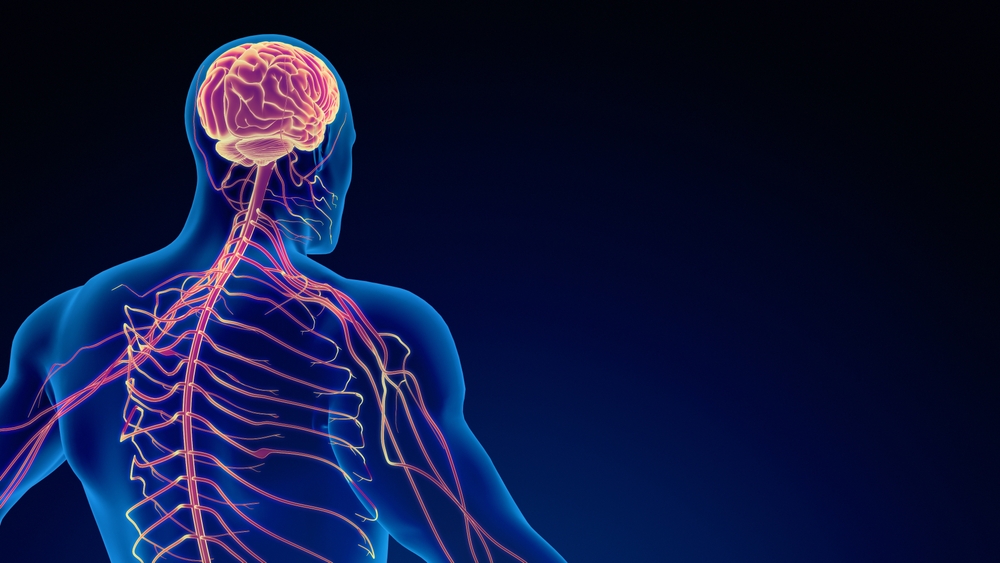
The Human Body Has An Extraordinary System For Detecting Touch
The somatosensory system provides people with information about their bodies and their physical interactions with the outside world. It allows someone to recognize the texture of an object, feel another person’s hand, notice a change in temperature, or sense movement across their skin. These abilities also contribute to body awareness, helping people understand their physical position and adjust their movements according to information received through sensory nerves.
Pain is another essential part of this system, even though it is often viewed simply as an unpleasant experience. Mechanical pressure, extreme temperatures, and harmful chemicals can activate sensory pathways that alert the body to possible danger. When someone touches a hot surface, these signals help trigger a protective response that can prevent further injury. Without an effective ability to detect harmful stimuli, people could remain exposed to dangerous situations without receiving the usual warning signals.
Different sensations involve different populations of sensory neurons, which respond to particular types of stimulation. Some detect gentle contact, while others respond to vibration, pressure, heat, or potentially damaging stimuli. The nervous system processes this information through organized pathways before the brain produces the perception of touch or pain. Understanding how these specialized cells operate has become a major focus of neuroscience because disruptions can lead to serious sensory problems.
Some of the conditions associated with sensory dysfunction include:
- Chronic pain: Persistent pain that can continue for extended periods and interfere with daily activities.
- Hypersensitivity to touch: A condition in which ordinary physical contact can trigger unusually strong or uncomfortable sensations.
- Reduced sensory sensitivity: Difficulty detecting certain forms of touch or other physical stimuli.
- Temperature detection problems: Impaired ability to recognize potentially harmful heat or cold.
- Abnormal pain responses: Changes in how the nervous system responds to stimuli that would normally produce a protective warning.
How David Ginty Changed Scientists’ Understanding Of Sensory Nerves
David Ginty is a professor of neurobiology at Harvard Medical School and an investigator of the Howard Hughes Medical Institute in the United States. His laboratory investigates how the nervous system develops and organizes the neural circuits responsible for touch. His research has helped identify the functional properties of different sensory neuron types across the body, including nerve endings that anatomists first discovered more than 150 years ago.
One important part of Ginty’s work involves understanding how these specialized nerve cells become activated by physical stimulation. His laboratory has investigated the mechanisms through which touch-sensitive neurons respond to contact and how their signals are organized within the spinal cord. These investigations have provided researchers with a clearer picture of how sensory information moves through the nervous system rather than treating touch as a single, uniform process.
Ginty has also investigated the organization of spinal pathways that carry information toward the brain. These pathways help explain how different forms of touch and pain are processed after the initial stimulation occurs in the skin. His ongoing research examines how sensory system dysfunction develops in certain neurological and developmental conditions, including problems involving touch sensitivity and chronic pain. This work could help identify specific biological mechanisms that future treatments may target.
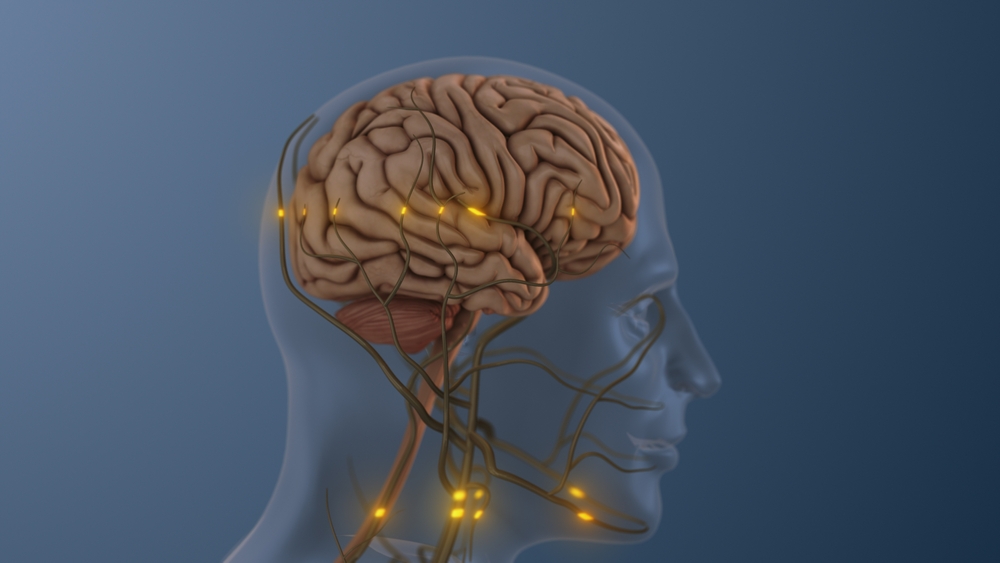
Patrik Ernfors Helped Classify The Cells Behind Human Sensations
Patrik Ernfors is a professor of tissue biology and head of the Division of Molecular Neurobiology at Karolinska Institutet in Sweden. His research focuses on the neural pathways that allow people to detect touch, temperature, itch, and pain. By studying different sensory neuron populations, his laboratory has helped explain how specialized cells are organized and how they contribute to the body’s ability to recognize physical stimuli.
A major contribution of Ernfors’ research involves the detailed classification of sensory neurons. Identifying different cell types allows researchers to investigate the specific functions they perform and how their signals contribute to the overall sensory experience. His findings have provided important insights into how environmental stimuli are detected and how information about those stimuli travels through the nervous system.
Another significant aspect of his work concerns the similarities between sensory cell types in different species. Ernfors has demonstrated a remarkable degree of conservation in the organization of these cells, helping researchers translate findings from model organisms into a better understanding of human biology. This connection has been valuable for studying the mechanisms behind chronic pain and investigating how abnormalities within sensory pathways contribute to neurological conditions.

Their Discoveries Could Change How Chronic Pain Is Treated
One of the most important potential applications of this research involves chronic pain, which affects millions of people worldwide. Pain normally protects the body by warning it about potentially harmful situations, but problems within the nervous system can cause painful sensations to persist or become unusually intense. For some people, even relatively gentle contact can trigger discomfort, making everyday activities difficult.
The research conducted by Ginty and Ernfors provides a more detailed understanding of the sensory cells and neural pathways involved in these experiences. By identifying different neuron populations and understanding their individual functions, scientists have gained a better framework for investigating where abnormal sensory processing begins. This could help researchers identify the specific biological mechanisms responsible for certain pain conditions rather than approaching the entire sensory system as one complicated network.
Why Targeted Treatments Could Make A Difference
The discoveries could support the development of treatments designed to influence particular sensory pathways involved in abnormal pain signaling. Researchers may be able to investigate ways of reducing excessive responses while preserving other sensory functions that protect the body. This is especially relevant because the same nervous system processes many different types of physical information, including sensations essential for recognizing injuries and environmental dangers.
However, these findings do not mean a new treatment or cure is immediately available. Translating discoveries about sensory neurons into effective medical interventions requires additional research and testing. The scientists’ work provides an important foundation for that process, giving future investigations a more detailed understanding of the cells and pathways involved in pain and touch sensitivity.
The Brain Prize Committee Explained Why The Research Matters
Professor Andreas Meyer-Lindenberg, chair of The Brain Prize Selection Committee, explained the significance of the discoveries when announcing the award. He described somatosensation as fundamental to the body’s physical identity and its relationship with the outside world. He also emphasized that the ability to detect touch, pain, itch, and temperature depends on an extraordinary diversity of sensory neurons and carefully organized pathways.
Meyer-Lindenberg said, “Somatosensation defines the integrity of the body and the boundary between the body and the world and is thus crucial for our sense of physical self and our interactions with the world around us.” His statement reflects the importance of the researchers’ discoveries, which have helped establish a detailed framework for understanding normal sensory functions and identifying where problems develop.
Lene Skole, CEO of the Lundbeck Foundation, also congratulated the two researchers and emphasized how easily people underestimate their ability to feel touch and pain. She described these senses as fundamental to the experience of having a physical body and interacting with other people and the environment. Skole also expressed hope that the new understanding could benefit patients living with chronic pain and other sensory disorders.
Why Understanding Touch Could Transform Neuroscience
Touch is among the most frequently used human senses, yet its biological complexity often goes unnoticed. People rely on it when holding objects, walking across different surfaces, recognizing physical contact, and responding to changes in their surroundings. These experiences depend on specialized nerve cells working together with the spinal cord and brain to interpret information arriving from the body.
When this system becomes disrupted, the consequences can extend far beyond occasional discomfort. Excessive sensitivity can make ordinary contact difficult to tolerate, while reduced sensitivity can prevent someone from detecting potentially harmful stimuli. Understanding the different pathways responsible for these experiences could help scientists identify why particular sensory conditions develop and which biological mechanisms contribute to their symptoms.
The Brain Prize has recognized 49 scientists from 11 countries since it was first awarded in 2011. The 2026 recipients now join that group following decades of research that have changed how scientists understand the nervous system. Their discoveries provide a foundation for future investigations into chronic pain, touch hypersensitivity, and other conditions involving sensory dysfunction.
For someone who experiences pain from something as simple as a light touch, identifying the exact nerve cells responsible could eventually make a significant difference. The body has always relied on these microscopic networks to understand the physical world. Scientists now have a much clearer picture of how those networks work, and that knowledge could bring future pain treatments closer to reality.
Sources:
Publications | The Ginty Lab. (n.d.). The Ginty Lab. https://www.gintylab.hms.harvard.edu/publications?
Somatosensation – Patrik Ernfors group. (2025, September 7). Karolinska Institutet. https://ki.se/en/research/research-areas-centres-and-networks/research-groups/somatosensation-patrik-ernfors-group?