
For millions of people living with autoimmune diseases, treatment can mean years of medication, regular medical appointments, and the constant challenge of managing symptoms. But researchers are exploring a different possibility: therapies that could help the immune system regain control of itself. A discovery involving a gene called FOXP3 has transformed scientists’ understanding of how the body prevents its own defenses from attacking healthy tissue, opening new avenues for treatments that could one day offer longer-lasting relief.
The possibility has attracted attention because it challenges the assumption that some autoimmune conditions must always be managed through ongoing medication. Researchers are investigating whether restoring the body’s natural immune-regulating mechanisms could help control harmful immune responses for extended periods. A one-time treatment that produces lasting benefits remains a research goal, but the science behind this approach is giving patients and researchers new reasons to look toward the future.
The Nobel Prize-Winning Discovery Behind the Research
The work of Mary Brunkow, Fred Ramsdell, and Shimon Sakaguchi has helped reshape modern immunology. Their discoveries established the importance of regulatory T cells, a specialized group of immune cells that help prevent the body’s defenses from attacking its own healthy tissues. The three scientists received the 2025 Nobel Prize in Physiology or Medicine for discoveries concerning peripheral immune tolerance, the process that helps the immune system distinguish between potential threats and the body’s own cells.
For people living with conditions such as rheumatoid arthritis, lupus, and type 1 diabetes, this research offers a different way to think about future treatments. Many existing medications work by suppressing immune activity or blocking particular inflammatory pathways. Scientists are now investigating whether treatments could instead strengthen the systems responsible for controlling excessive immune responses, potentially offering more targeted and durable benefits.
What Fred Ramsdell Envisions for Future Treatment
During an episode of the Autoimmune Voices: Threads of Hope podcast, Dr. Fred Ramsdell described his vision for a treatment that could eventually eliminate the need for long-term medication in some patients. “This is not a pill you’ll take every day. It is not a product you’re going to inject every week or every month or every three months,” Ramsdell said while discussing the possibility of a curative approach.
He also expressed confidence in the long-term goal, explaining that researchers hope to reset the immune system so patients might not need another drug indefinitely. “The goal is that you’ll get this drug once,” he said. The idea is compelling for anyone who has spent years managing an autoimmune condition, although it remains a research ambition rather than an established medical treatment.

Why the Immune System Sometimes Attacks Healthy Tissue
The immune system protects the body against harmful organisms and other threats, but it must also recognize when a response should stop. Its innate defenses react quickly to potential danger, while the adaptive immune system uses specialized T cells and B cells to recognize particular threats and retain immunological memory. These two systems work together to help the body fight infections while coordinating more specialized responses.
Problems can arise when immune activity targets the body’s own healthy tissues. Depending on the disease, this can cause persistent inflammation and damage affecting the joints, skin, digestive system, pancreas, or other organs. Autoimmune conditions differ considerably in their causes and symptoms, so a treatment that benefits one disease may not necessarily work for another.
The Role of Regulatory T Cells
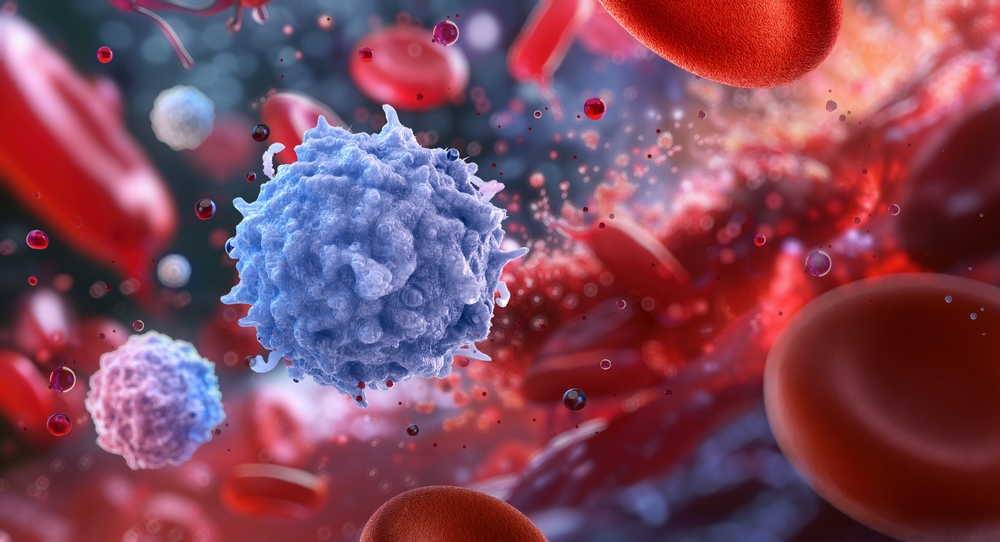
Regulatory T cells, commonly called Tregs, help keep immune responses under control. They act as natural brakes, limiting excessive activity and helping prevent the immune system from attacking healthy tissue. Without effective regulation, immune cells can become dangerously overactive, contributing to inflammation and autoimmune disease.
The discovery of these cells helped scientists understand that healthy immune function depends on more than the ability to identify and destroy threats. The body also needs mechanisms that prevent its defenses from causing unnecessary damage. This balance is now central to research exploring whether immune regulation can be strengthened to treat certain diseases more precisely.
How Researchers Traced the Problem to FOXP3

Mary Brunkow and Fred Ramsdell investigated a severe childhood autoimmune condition called IPEX syndrome, alongside a strain of mice known as Scurfy mice. Both displayed severe inflammatory disease early in life, suggesting that a genetic problem might be disrupting a fundamental mechanism of immune regulation. Researchers identified damaging mutations affecting Foxp3 in the mice, and subsequent work established that mutations in the human FOXP3 gene cause IPEX syndrome.
The findings helped explain why regulatory T cells are essential for preventing certain forms of severe autoimmune disease. Shimon Sakaguchi’s research also played a crucial role in establishing regulatory T cells as a distinct population of immune cells involved in maintaining self-tolerance. Together, these discoveries provided a scientific foundation for studying how the body’s natural regulatory systems might be used to develop future treatments.

Why FOXP3 Is So Important
The FOXP3 gene plays a central role in the development and function of regulatory T cells. When this gene is disrupted, the body can struggle to produce functional immune-regulating cells, leaving immune responses dangerously uncontrolled. The consequences can be severe, as demonstrated by IPEX syndrome, which can cause widespread inflammation and serious organ complications.
Understanding this mechanism has helped researchers investigate treatments designed to strengthen or restore regulatory immune activity. Rather than simply reducing immune responses throughout the body, scientists are exploring ways to address specific problems in the systems that normally prevent harmful immune attacks. This approach could eventually provide more targeted options for certain patients.
How New Treg Therapies Could Change Treatment
Researchers are investigating several ways to use regulatory T cells as part of future autoimmune treatments. Some approaches aim to increase the number of these cells in the body, while others seek to improve their function or modify them before introducing them into a patient. Gene-based methods are also being studied as scientists explore ways to address specific biological problems affecting immune regulation.
These strategies remain under development, and their effectiveness will depend on the condition being treated, the patient’s biology, and the design of each therapy. Researchers must also establish whether treatments can produce lasting benefits without interfering with the immune system’s ability to protect the body against infections. A successful therapy would need to maintain the right balance between controlling harmful inflammation and preserving normal immune defenses.
Several approaches are being investigated:
- Expanding existing Tregs: Increasing the number of regulatory T cells available to control excessive immune activity.
- Improving Treg function: Helping these cells regulate harmful immune responses more effectively.
- Cell therapies: Preparing regulatory cells for treatment and introducing them into a patient’s body.
- Gene-based approaches: Modifying cellular functions or addressing specific biological problems that contribute to disease.
Why Targeted Treatment Could Make a Difference
Many existing autoimmune medications can help reduce inflammation and control symptoms, but some also affect protective immune responses. Depending on the treatment, patients may face increased infection risks or other side effects. A therapy that selectively strengthens immune regulation could potentially offer a different balance between disease control and the preservation of normal immune function.
However, regulatory T cells are complex, and their behavior can vary depending on the tissues involved and the surrounding immune environment. Researchers need to determine which approaches work safely, which patients are most likely to benefit, and whether treatment effects can persist for years. These questions will help establish whether Treg-based therapies can deliver meaningful advantages over existing options.

Could One Treatment Really Put Autoimmune Disease Into Remission?
The possibility of a one-time treatment is exciting because it could reduce the need for continuing medication if it produces lasting immune regulation. In theory, a therapy that successfully establishes durable control over harmful immune activity could provide benefits long after the initial treatment. That is the kind of outcome researchers hope to achieve with some emerging cellular and immune-directed approaches.
Yet a potential cure and a proven treatment are very different things. The current scientific rationale does not establish that a universal, one-time cure exists or that researchers have demonstrated permanent remission across autoimmune diseases. Each treatment must undergo testing to determine its safety, effectiveness, duration of benefit, and suitability for different patient groups.
The Questions Researchers Still Need to Answer
Autoimmune diseases involve different combinations of genetic factors, immune cells, environmental influences, and tissue damage. A therapy designed to correct a particular immune-regulation problem might benefit certain patients without working for others. Researchers will need to identify the diseases and patient groups most likely to respond.
They must also establish how long any benefits last and whether additional treatment becomes necessary. An initial improvement does not necessarily mean that the underlying disease process has been permanently corrected. Long-term follow-up will be essential, especially for treatments intended to alter immune function for extended periods.
Safety is another major consideration. Too little immune regulation can contribute to autoimmune damage, while excessive suppression can create other problems. Cell and gene therapies may carry risks that differ from those associated with conventional medication, making carefully designed clinical trials essential before these treatments become routine care.
What Patients Should Know While Research Continues
The discoveries involving FOXP3 and regulatory T cells have created new avenues for investigating future autoimmune treatments. Early clinical investigations are exploring different ways to use regulatory immune mechanisms, although the evidence and development stage vary between approaches. Patients should understand that promising laboratory findings do not automatically translate into treatments that are safe or effective for widespread use.
For anyone currently managing an autoimmune condition, established treatment remains important while researchers continue their work. Patients should not stop medication or change their treatment plans because of reports about potential cures. Instead, they can discuss emerging therapies with their healthcare team and ask whether relevant clinical trials may be appropriate for their specific diagnosis.
Several practical steps can help patients stay informed:
- Continue prescribed treatment: Do not change medication without discussing it with your treating clinician.
- Ask about clinical trials: Your healthcare team may be able to identify studies relevant to your condition.
- Understand the evidence: Early studies often focus on safety, while larger trials help establish effectiveness.
- Consider your specific diagnosis: Results from one autoimmune disease cannot automatically be applied to another.
- Follow credible research updates: Established medical institutions and recognized clinical trial registries can help distinguish tested findings from speculation.
A New Direction for People Living With Autoimmune Disease
For many people with autoimmune conditions, treatment has traditionally focused on controlling inflammation, preventing complications, and maintaining quality of life. Discoveries involving FOXP3 have helped scientists investigate another possibility: improving the body’s own ability to regulate immune activity and prevent harmful attacks. This shift has created new research opportunities for treatments that could potentially provide more durable control for some patients.
The road from laboratory discovery to an effective therapy can be long, and researchers still need to establish which approaches work, how long the benefits last, and whether the risks are acceptable. A one-time cure remains an aspiration rather than a medical reality, but understanding the systems that keep the immune system in balance has brought researchers closer to testing a different kind of treatment.
For patients who have spent years managing medication schedules and recurring symptoms, the most meaningful breakthrough will be a therapy that proves safe and effective in clinical trials. The goal is clear: help the immune system protect the body without turning against it.
Sources:
- Nobel Prize in Physiology or Medicine 2025. (n.d.). NobelPrize.org. https://www.nobelprize.org/prizes/medicine/2025/press-release/
- Bennett, C. L., Christie, J., Ramsdell, F., Brunkow, M. E., Ferguson, P. J., Whitesell, L., Kelly, T. E., Saulsbury, F. T., Chance, P. F., & Ochs, H. D. (2001). The immune dysregulation, polyendocrinopathy, enteropathy, X-linked syndrome (IPEX) is caused by mutations of FOXP3. Nature Genetics, 27(1), 20–21. https://doi.org/10.1038/83713
- Pubmed.ncbi.nlm.nih.gov. (n.d.-g). https://pubmed.ncbi.nlm.nih.gov/7636184/