For five-year-old Ryleigh Schecter, childhood should be about kindergarten, playgrounds and choosing her favorite candy. Instead, her evenings involve experimental cancer drugs, hospital appointments and a diagnosis that could take her life within a year. Her family is also facing another frightening reality: a major research network dedicated to finding treatments for childhood brain tumors was shut down just months before her diagnosis.
The closure of the Pediatric Brain Tumor Consortium has disrupted clinical trials and raised concerns among researchers and families searching for better treatments. With some paused studies not expected to reopen until late 2026 or early 2027, children facing aggressive brain cancers could lose precious time waiting for research to resume.
A Five-Year-Old Is Fighting One Of The Deadliest Childhood Brain Cancers
When Ryleigh Schecter welcomes visitors into her home in Twinsburg, Ohio, she looks like any other five-year-old. She loves colors, enjoys playing with her family and has a particular preference for orange Skittles. Her favorite color is rainbow, and she can happily recite the colors of the spectrum.
However, Ryleigh’s daily routine looks very different from that of most children her age. Seven months before the reported interview, she was diagnosed with diffuse intrinsic pontine glioma (DIPG), an aggressive brain tumor that primarily affects young children. Her parents, Amanda and Aaron Schecter, have since been searching for treatments that could give their daughter more time.
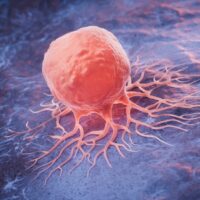
DIPG develops in the pons, an area of the brainstem responsible for essential functions such as breathing, heart rate, balance and coordination.
The tumor grows through critical brain tissue, making surgical removal extremely difficult and generally impossible. Clinicians have compared its growth to sand spreading through grass because the cancer becomes intertwined with surrounding tissue.
The condition usually affects children between four and 10 years old. Approximately 300 children in the United States receive a DIPG diagnosis each year, and the average survival time is around nine to 12 months. Although radiation therapy is commonly prescribed, its benefits are generally temporary, and there is currently no established treatment that reliably cures the disease.
For parents, these statistics create an incredibly difficult situation. They must make decisions about experimental treatments while knowing that the time available to their children may be painfully limited.
Experimental Medication Is Giving Ryleigh Another Treatment Option
Ryleigh currently receives two medications every night as part of a clinical trial. One of the drugs was originally designed to treat breast cancer, illustrating how researchers sometimes investigate existing medications for potential applications in other diseases. Her mother prepares the medicines and administers them orally using a syringe.
The process is hardly enjoyable for a young child. Ryleigh has described the first medication as tasting like “dirty water mixed together,” while the second tastes “medium,” according to the interview published by The New York Times. She follows each dose with a Skittle to get rid of the unpleasant flavor, choosing orange as her favorite.
Despite the difficult treatment routine, Ryleigh continues experiencing ordinary childhood moments. She started kindergarten in September, and her mother returned to work as a school principal. During the reported visit, Ryleigh played pretend games, served imaginary meals and talked about everyday things that children her age look forward to.
One conversation particularly affected her mother. Ryleigh asked Amanda whether she would eventually get braces like her older brother Hudson. For Amanda, the question was a painful glimpse of the future her daughter hopes to experience, despite the uncertainty surrounding her diagnosis.
The family eventually found a Phase 2 clinical trial called TarGeT-A, led by researchers at Nationwide Children’s Hospital in Columbus, Ohio. Ryleigh’s participation gives her access to an experimental treatment being investigated by researchers. However, clinical trial participation does not guarantee a positive outcome, and the family continues living with the uncertainty of the disease.
A 27-Year Research Network Lost Its Federal Funding

The Schecter family’s search for clinical trials became more difficult because an important research collaboration had recently lost its federal funding. In August 2025, the National Cancer Institute (NCI), part of the National Institutes of Health (NIH), decided not to renew the Pediatric Brain Tumor Consortium’s approximately $4 million annual grant.
The consortium had operated for 27 years and brought together 16 leading children’s hospitals and academic medical centers across the United States. Its purpose was to investigate experimental treatments for aggressive childhood brain tumors, including DIPG and ependymoma. The network generally maintained six to eight active clinical trials each year.
Its specialized structure allowed researchers to coordinate early-stage studies across multiple hospitals. This was particularly useful for rare childhood cancers, where individual hospitals might struggle to recruit enough eligible patients for meaningful research. The consortium also provided operational, regulatory and technological support that allowed participating researchers to concentrate on their medical investigations.
After the funding decision, eight ongoing clinical trials were closed or paused. Researchers were investigating several experimental treatments, including immunotherapy, cancer vaccines and a device designed to deliver electrical stimulation to the brain. Another study involving laser therapy was also being prepared.
For families searching for experimental treatment opportunities, the disruption was particularly concerning. According to Kara Buente, who helps families locate clinical trials through her nonprofit, The Bella Project, two DIPG studies previously available through consortium hospitals within driving distance of the Schecters were paused. Ryleigh could no longer access those particular opportunities.
Which Childhood Brain Cancer Studies Were Interrupted?

The closure affected different areas of pediatric brain cancer research. Some studies were examining potential treatments, while others were investigating ways to make diagnosis and treatment less invasive for children.
One affected study, PBTC-059, was a Phase 1 clinical trial investigating CAR-T cell therapy in children with ependymoma. This experimental approach involves collecting a patient’s immune cells, modifying them to recognize cancer cells and returning them to the body. CAR-T therapy has already produced significant improvements in treatment outcomes for certain blood cancers, including common childhood leukemia, although its effectiveness depends on the cancer being treated.
Another study, PBTC-N14, was investigating whether cerebrospinal fluid could provide genetic information similar to information obtained through an invasive brain biopsy. Researchers at Memorial Sloan Kettering Cancer Center wanted to understand whether this approach could help doctors gather useful information while potentially sparing some children from surgery.
Matthias Karajannis, the study’s lead investigator, explained the frustration of losing the opportunity to complete the research. He said, “Everyone thought it was a good study, and tried to answer a good question.” The study ended before researchers could fully answer that question.
Other research projects were exploring cancer vaccines and electrical stimulation devices for DIPG. These approaches were still experimental, and their potential benefits had not been established. Nevertheless, the studies represented different scientific directions that researchers were trying to investigate.
The National Cancer Institute later updated its information to state that some paused trials were planned to reopen to enrollment in late 2026 or early 2027. For families dealing with a diagnosis that carries an average survival time of less than a year, the delay can be especially difficult.
Researchers Warn That Decades Of Scientific Work Could Be Lost

The consequences of closing the consortium extended beyond the interruption of clinical trials. Researchers also had to address what would happen to decades of collected research information and biological samples from children who had participated in previous studies.
At St. Jude Children’s Research Hospital in Memphis, 27 years of research data involving more than 2,000 children with rare brain tumors had to be archived. Researchers had previously been able to apply for access to this information when developing new scientific hypotheses. Without the consortium’s dedicated infrastructure and central coordination, accessing those records could become considerably more difficult.
Hundreds of biological samples also required decisions about their future. These included tumor tissue, blood and spinal fluid collected during clinical research. Some samples could be returned to their originating hospitals, while others faced destruction if the hospitals could not retain them.
These materials can provide researchers with valuable information about how childhood brain tumors develop and respond to experimental treatments. Families sometimes donate samples even after losing their children because they hope the information could help future patients.
Ira Dunkel, a pediatric oncologist at Memorial Sloan Kettering Cancer Center and former chair of the consortium, described the closure as one of the worst professional experiences of his career. He had spent years working with researchers and hospitals involved in the network and understood how much coordination was required to keep the studies operating.
Dunkel also expressed concern about the opportunities lost for patients and their families. He said, “I felt the loss of hope and opportunity for the parents and the patients.” His concerns extended to the doctors and scientists who had spent years developing research projects that were suddenly disrupted.
Why Did The National Cancer Institute End The Consortium?

The National Cancer Institute said the decision was intended to improve efficiency by moving the consortium’s work into a larger government-funded research network. The institute also pointed to slower enrollment in some of the consortium’s studies.
However, researchers questioned whether the larger network could immediately replace the specialized expertise and established collaborations that had developed over nearly three decades. Dunkel explained that enrollment challenges were partly connected to the increasingly targeted nature of experimental cancer treatments. As treatments become more specialized, fewer patients may qualify for particular studies.
He also argued that several research networks could operate simultaneously because the number of promising ideas exceeded the capacity to investigate them. In his view, maintaining a dedicated brain tumor research collaboration offered benefits that a broader network might struggle to reproduce.
Following the closure, the National Cancer Institute announced that approximately $4 million would be allocated to the larger network to strengthen pediatric brain tumor expertise and support early-phase clinical trials. The institute maintained that the change was part of a broader effort to improve research coordination.
The decision also attracted political attention. A bipartisan group of lawmakers from New York contacted Health and Human Services Secretary Robert F. Kennedy Jr., asking the administration to reverse the decision. Their letter stated, “We cannot afford to take this step backward.”
The administration subsequently announced an increase in funding for its childhood cancer data initiative, bringing the announced allocation to $100 million. Kennedy said the government would use artificial intelligence to accelerate pediatric cancer research and support efforts to identify treatments.
Nevertheless, researchers and families continued questioning whether funding a larger network would restore the specialized research infrastructure that had been lost. The central concern remained the time required to rebuild collaborations and resume studies that had already been interrupted.
Families Who Have Lost Children Are Still Fighting For Research

The closure has also affected families who have already experienced the devastating loss of a child to DIPG. Keith and Brooke Desserich founded The Cure Starts Now in 2007 after their six-year-old daughter, Elena, died from the disease. Their nonprofit raises money for early-stage pediatric brain cancer research through community events and fundraising initiatives.
Since 2017, Keith Desserich had served on the consortium’s steering committee. His organization estimates that it contributed between $2 million and $3 million in seed funding to projects initiated by consortium researchers during that period.
For Desserich, the shutdown represented the loss of a specialized collaboration that families had trusted for years. He described the consortium as a group of highly capable hospitals working together toward a shared objective. He also questioned whether a broader research network could reproduce the same relationships and expertise.
Other parents involved in childhood brain cancer advocacy expressed similar concerns. Lisa Hill, whose daughter Lauren died from DIPG, described the closure as reopening painful memories for families who had already experienced the loss of a child. Josh Hines, whose daughter Harleigh died in 2023, questioned why research into diseases without established cures would be disrupted.
Baylie Barclay also understands the urgency of finding better treatments. Her son Paxton died from DIPG in July 2025 after participating in three clinical trials. He was eight years old, and his family remembers him as an energetic child who loved cowboy boots, outdoor adventures and collecting small objects during the day.
After Paxton’s death, the Barclays donated his remaining research materials to science. His mother, Baylie, now works with The Cure Starts Now to help families facing new diagnoses find information about clinical trials, financial assistance and accommodation near treating hospitals.
When Paxton learned that his cancer had no established cure, he asked his mother whether that was true. Baylie recalled answering, “Not yet.” She has continued supporting research because she believes the work could help other children facing the same diagnosis.
Another Experimental Treatment Is Being Investigated For DIPG
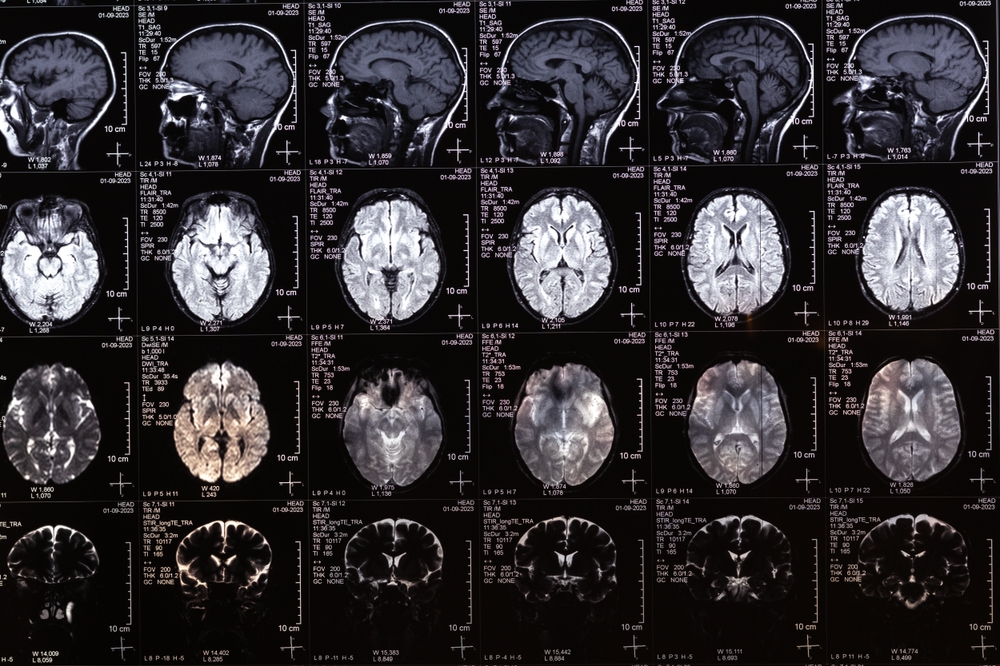
Alongside the research disruptions, other scientific teams and biotechnology companies continue exploring potential treatments for DIPG. One company working in this area is SonALAsense, which is developing an experimental approach called Sonodynamic Therapy (SDT).
The treatment combines a tumor-targeting drug with focused ultrasound. The approach is designed to use the interaction between these components to selectively damage cancer cells. It represents another research direction scientists are investigating as they search for alternatives to conventional treatment approaches.
According to information shared by the company, a recently completed Phase 1/2 study involved 15 patients with DIPG. SonALAsense reported a median overall survival of approximately 16 months, compared with 9.5 months in a historical treatment group. The company also reported observed improvements in neurological function among patients.
These preliminary findings have attracted attention because of the limited treatment options available for children with DIPG. However, the results need to be interpreted carefully because the study involved a small number of patients and compared outcomes against historical data rather than establishing a definitive treatment benefit through a controlled comparison.
The reported survival difference does not prove that Sonodynamic Therapy extends life, and further clinical studies are required to establish its safety and effectiveness. The treatment also remains experimental and should not be considered an established cure or replacement for existing medical care.
SonALAsense is preparing for its next phase of clinical development. Additional research will be needed to determine whether the early findings can be confirmed and whether the approach could eventually become a treatment option for children diagnosed with DIPG.
Better Research Opportunities Could Give Families More Time
For parents facing a DIPG diagnosis, the search for treatment often involves difficult decisions made under extraordinary pressure. Families may travel long distances, leave their jobs or consider experimental therapies because the standard options offer limited benefits. Access to reliable clinical research information can therefore make a significant difference in the choices available to them.
The story of Ryleigh Schecter shows how much an experimental treatment can become part of everyday family life. Her parents continue managing medication, hospital visits and uncertainty while trying to preserve the ordinary experiences of childhood. They have also agreed to provide blood, saliva and other medical samples for research that could benefit future patients.
Their willingness to contribute reflects the difficult position many families occupy. They want access to treatments that could help their own children, while also hoping their experiences might help researchers develop better options for others.
For people navigating a rare childhood cancer diagnosis, discussing clinical trial eligibility with a pediatric oncology team can help identify available research opportunities. Organizations supporting pediatric brain cancer families may also provide information about studies, travel assistance and practical support.
Ryleigh’s future remains uncertain, and the same is true for countless children diagnosed with aggressive brain tumors. Continued research, stable funding and cooperation between specialized medical centers could give scientists more opportunities to develop treatments that change those outcomes. For families counting their time in months, every research opportunity that remains accessible is worth protecting.