
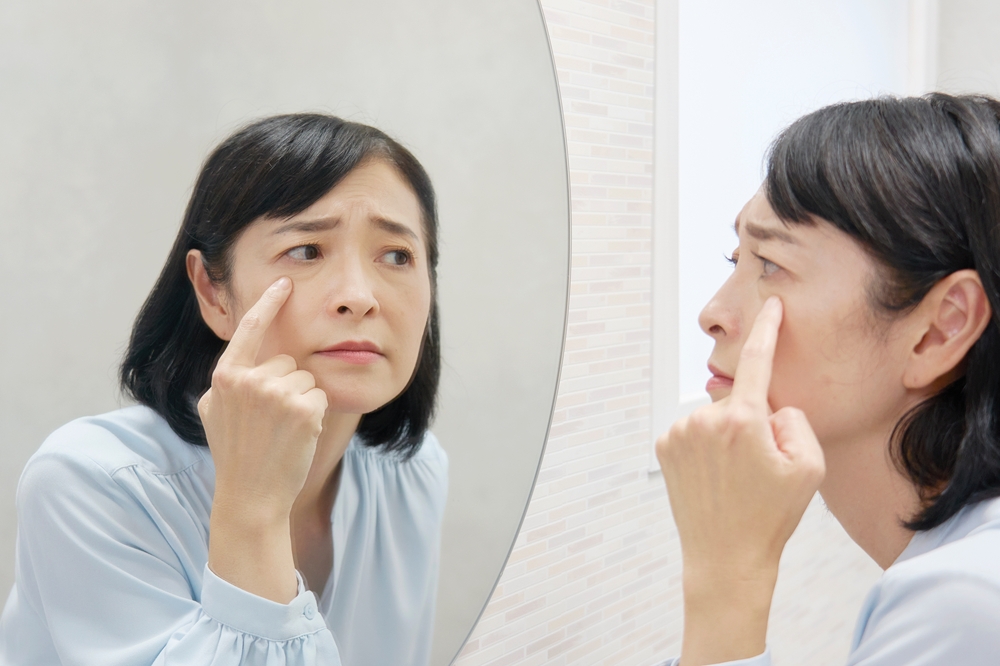
People are increasingly examining their faces for signs of an iron deficiency after a health trend called “ferritin face” started gaining attention on TikTok. Influencers claim that dark circles, pale or grey-looking skin, dry lips, and thinning hair could indicate depleted iron stores. The trend has prompted many people to question whether their appearance could reveal something happening inside their bodies.
There is some medical evidence behind the discussion, but experts warn that facial features alone cannot establish whether someone has an iron deficiency. Low iron can affect your energy, concentration, skin, and overall wellbeing, particularly when levels become severely depleted. Understanding what ferritin actually measures could help you recognise potential warning signs without falling into the trap of diagnosing yourself through social media.
What Is Ferritin And Why Does Your Body Need It?
Ferritin is a protein responsible for storing iron in your body and releasing it when needed. Iron is an essential mineral involved in several important bodily functions, particularly the production of haemoglobin. This protein allows red blood cells to carry oxygen throughout your body, supporting your organs, muscles, and tissues. Since your body cannot manufacture iron, you need to obtain it through your diet and maintain adequate reserves.
Most of your stored iron is held in the liver and other tissues. Healthcare professionals can measure ferritin through a blood test to get an indication of your body’s iron reserves. According to guidelines from the National Institute for Health and Care Excellence (NICE), ferritin levels below 30 micrograms per liter indicate iron deficiency. However, Professor Sue Pavord, professor of practice in medical haematology at Oxford University Hospitals, explained that levels below 50 micrograms per liter could also point towards a deficiency.
Why Your Ferritin Results Need Proper Interpretation
Ferritin testing provides useful information about your iron stores, but the result needs to be considered alongside your symptoms and medical history. A number on a laboratory report does not always explain everything happening inside your body. Healthcare professionals may recommend additional blood tests to establish whether you have iron deficiency and investigate possible underlying causes.
Iron deficiency can develop before someone experiences more obvious symptoms. As stores become depleted, the body may struggle to maintain its normal functions. You might notice persistent tiredness, difficulty concentrating, or reduced energy during activities that previously felt manageable. Recognising these changes can help you decide when to seek medical advice.
Can Low Ferritin Really Change The Way Your Face Looks?
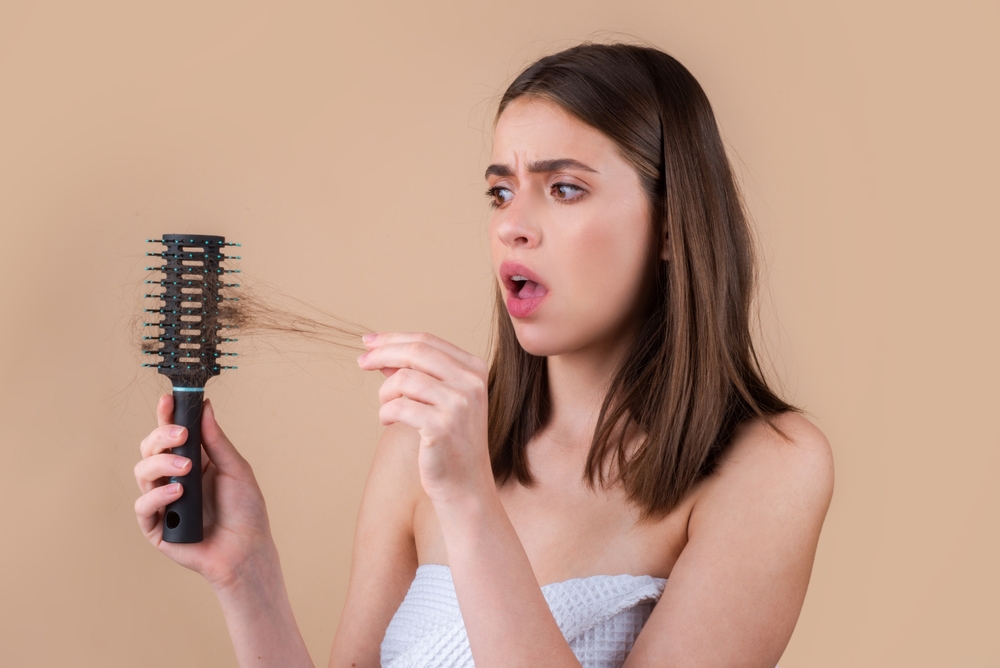
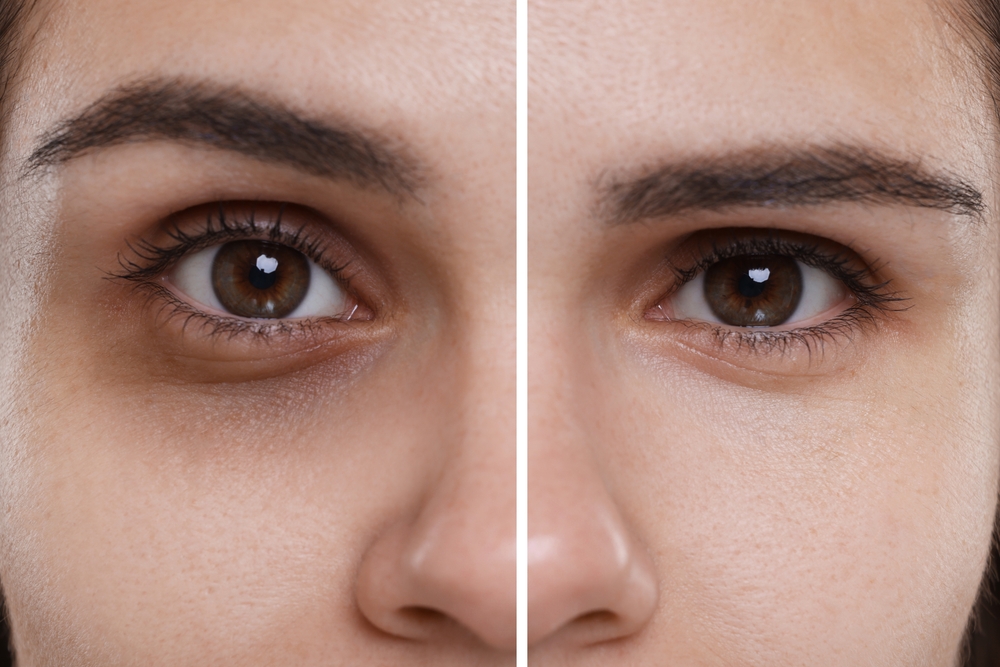
The phrase “ferritin face” refers to several appearance-related changes that influencers associate with low iron. These include dark circles beneath the eyes, pale or grey-looking skin, cracked lips, dry skin, and increased hair shedding. There is a medical basis for some of these connections because iron supports functions throughout the body, including those involved in maintaining healthy tissues.
Professor Pavord explained that iron is needed by every cell in the body. She said iron deficiency can leave people feeling very fatigued and experiencing brain fog, while their skin may appear dull and saggy. She also described how people with depleted iron stores can look pale and tired. These changes can become more noticeable when iron levels are particularly low.
What Experts Say About Visible Symptoms
Professor Toby Richards of the University of East London and the Iron Clinic also discussed the connection between low iron and visible changes. He explained that these signs tend to be especially pronounced among people with very low iron stores. According to Richards, these patients tend to be the ones who are seriously unwell.
However, there is an important limitation to the idea of ferritin face. Dark circles can be influenced by genetics, dehydration, and stress. Dry skin and hair loss can also develop for several different reasons, including factors unrelated to iron levels. Someone experiencing these symptoms cannot automatically assume that depleted ferritin is responsible.
Symptoms Worth Paying Attention To
Facial appearance might be what attracts attention on social media, but other changes can provide important clues. Some symptoms associated with iron deficiency include:
- Persistent fatigue: Feeling unusually exhausted even after getting sufficient sleep.
- Brain fog: Experiencing difficulty concentrating or maintaining mental clarity.
- Pale appearance: Looking noticeably paler or more tired than usual.
- Hair loss: Experiencing increased shedding or changes in hair thickness.
- Skin changes: Noticing dull-looking skin or other changes in your complexion.
These symptoms can overlap with several other health conditions. Their presence does not confirm iron deficiency, but persistent or unexplained changes deserve proper medical attention.
Why Are So Many People Experiencing Low Iron?
Iron deficiency can develop when your body loses more iron than it replaces or struggles to absorb enough from food. For many women, menstruation and pregnancy are among the most common contributing factors. Professor Pavord identified periods and pregnancies as leading causes of low ferritin, explaining that blood loss can gradually reduce the body’s stored iron.
Heavy menstrual periods can be particularly challenging because they involve repeated blood and iron loss. Someone experiencing heavy bleeding every month may struggle to replenish their reserves through their usual diet. Pregnancy also increases the body’s demand for iron, making it important to monitor nutritional needs during this period.
Diet And Iron Absorption Can Affect Your Levels
Your eating habits can influence how much iron your body receives. People following vegetarian or vegan diets may need to pay closer attention to their iron intake because they do not consume meat-based sources. Planning balanced meals can help support adequate nutritional intake, although dietary choices are only one part of the picture.
Absorption problems can also contribute to low ferritin. Professor Pavord specifically identified coeliac disease as a condition that can interfere with iron absorption. This means someone could consume iron-containing foods regularly and still struggle to maintain sufficient reserves if their body cannot absorb the mineral effectively.
Other Medical Causes Should Not Be Ignored
Blood loss linked to gastrointestinal problems can also cause iron deficiency. Conditions such as gastritis and polyps may contribute to blood loss, making it important to investigate unexplained low iron levels. Professor Pavord also noted that athletes can experience depleted stores because their bodies have higher iron demands.
Identifying the cause is an important part of managing the problem. Someone whose iron levels are low because of heavy periods may need a different approach from someone experiencing gastrointestinal blood loss. Treating the deficiency without investigating its origin could leave an underlying health issue unresolved.
Who Should Consider Getting Their Iron Levels Checked?
The growing conversation around ferritin has encouraged people to pay closer attention to symptoms they might previously have dismissed. Certain groups have a higher risk of developing low iron stores, particularly people experiencing regular blood loss or increased nutritional demands. Professor Richards highlighted people with heavy periods, pregnant women, those who have had children, and vegetarians or vegans as groups who should consider discussing testing with their healthcare providers.
Persistent fatigue can also deserve investigation, especially when it begins affecting your ability to work, exercise, or manage everyday responsibilities. You might find yourself struggling with activities that previously felt easy or experiencing concentration problems throughout the day. These changes can have several possible explanations, so appropriate testing can help narrow down the cause.
Which Blood Tests Can Help Identify Iron Deficiency?
Professor Richards recommended that people concerned about their iron levels ask about a full blood count, ferritin testing, and checks for vitamin B12 and folate. These tests can help healthcare professionals investigate possible deficiencies and understand whether additional assessment is necessary. Your medical history and symptoms also play an important role in interpreting the results.
Professor Pavord stressed that finding the underlying cause of iron deficiency is particularly important for older people. She explained that older individuals suspected of having low iron need proper clinical assessment and investigations to look for possible bleeding from the bowel. This is one reason unexplained iron deficiency should never be treated as a simple dietary problem without further assessment.

Should You Take Iron Supplements Without Confirming A Deficiency?
Iron tablets are available over the counter, which can make supplementation seem like an easy solution for people worried about their ferritin levels. Professor Pavord said taking iron tablets without confirming a deficiency would not necessarily cause harm, particularly for young women who lose considerable amounts of iron through menstruation. However, this should not be interpreted as a recommendation for everyone to start taking supplements without medical advice.
Professor Richards raised another concern about the products available to consumers. He explained that many marketed supplements contain lower amounts of iron than the full treatment dose required by someone with an established deficiency. Taking a supplement that contains iron does not necessarily mean you are receiving the appropriate treatment for your individual needs.
Why The Right Treatment And Follow-Up Matter
If blood tests confirm iron deficiency, your healthcare provider can help determine an appropriate treatment plan. Richards explained that people receiving treatment should repeat their blood tests after three months to assess their results. This follow-up can help establish whether iron levels are improving and whether further treatment or investigation is necessary.
The cause of the deficiency also needs attention. Someone experiencing heavy menstrual bleeding may need an assessment of their menstrual health, while unexplained iron deficiency could require investigation for gastrointestinal blood loss. Taking supplements without understanding why your levels are low may delay the discovery of a more significant problem.
Can Food Help Maintain Healthy Iron Levels?
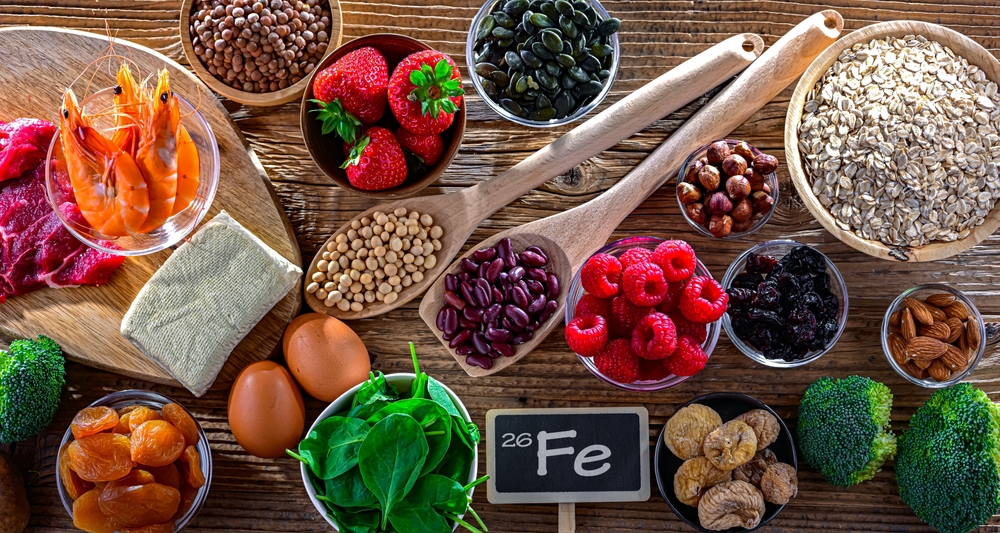
Diet remains an important part of supporting healthy iron stores. People who avoid meat can pay closer attention to their food choices and discuss suitable sources of iron with a healthcare professional. Anyone experiencing a confirmed deficiency should also understand that dietary changes alone may not provide enough iron to correct significantly depleted stores.
A balanced eating pattern can support your nutritional needs, particularly when combined with appropriate medical advice. If you follow a vegetarian or vegan diet, reviewing your regular meals can help identify potential nutritional gaps. However, persistent symptoms or abnormal blood results deserve individual assessment rather than relying exclusively on dietary adjustments.
Is The ‘Ferritin Face’ Trend Helping Or Causing Confusion?
Social media has made health information easier to access, and the increased attention surrounding iron deficiency has some positive aspects. Professor Pavord welcomed the discussion, arguing that iron deficiency should not be treated as an ordinary consequence of being busy or experiencing menstruation. She explained that many women experience exhaustion while managing periods, pregnancies, young children, and demanding jobs.
Professor Richards also supported greater awareness, saying anything that raises attention to women’s experiences with iron deficiency is positive. Their comments highlight an issue that can affect everyday wellbeing, particularly when people become accustomed to functioning while feeling exhausted. Persistent fatigue deserves attention rather than being dismissed as something people simply have to tolerate.
Why Social Media Symptom Checklists Can Be Misleading
Dr Asiya Maula, a GP from The Health Suite, expressed caution about the way social media trends encourage people to identify medical conditions through lists of symptoms. She warned that someone might recognise themselves in an online description and assume they have a deficiency without checking whether it actually explains their symptoms. This can create unnecessary worry or encourage people to take supplements they may not need.
The problem becomes particularly clear with “ferritin face.” Two people can have similar dark circles or dry skin for entirely different reasons. One person might have an iron deficiency, while another could be experiencing dehydration, stress, genetics, or an unrelated health concern. A facial checklist cannot distinguish between these possibilities.
Simple Ways To Take Better Care Of Your Iron Levels
You do not need to examine every change in your appearance to take your health seriously. Paying attention to your symptoms, understanding your risk factors, and seeking appropriate testing can provide a much clearer picture of your iron status. This approach is especially useful if you experience heavy periods, follow a restrictive diet, or have persistent fatigue that affects your daily routine.
A few practical habits can help you become more aware of your nutritional needs and recognise when additional support may be necessary:
- Pay attention to persistent fatigue: Discuss ongoing exhaustion with your healthcare provider, particularly when it interferes with everyday activities.
- Monitor menstrual health: Mention heavy periods during medical appointments because regular blood loss can contribute to depleted iron stores.
- Review your dietary intake: Make sure your eating pattern provides appropriate nutritional support, especially if you follow a vegetarian or vegan diet.
- Ask about blood testing: Discuss ferritin and a full blood count if you have symptoms or risk factors associated with iron deficiency.
- Avoid guessing your supplement needs: Get appropriate advice before starting iron supplementation or choosing a treatment dose.
- Follow up on abnormal results: Ask about the underlying cause of low iron and whether repeat testing is necessary.
These steps can help you make informed decisions instead of relying on appearance-based health trends. They also encourage you to pay attention to symptoms before they begin affecting more areas of your life.
Your Face Cannot Tell You Everything About Your Health
The growing interest in ferritin has opened an important conversation about iron deficiency and the fatigue many women experience. Low iron can affect physical appearance, particularly when stores become severely depleted, but dark circles, pale skin, and hair loss cannot establish a diagnosis. A blood test provides far more useful information than an influencer’s checklist.
If you are constantly exhausted, experiencing heavy periods, or noticing unexplained changes in your health, consider discussing your symptoms with a healthcare professional. You deserve to have persistent fatigue investigated, rather than accepting it as the price of keeping up with everyday life.
Sources:
- Guidelines Review Committee. (2020, April 21). WHO guideline on use of ferritin concentrations to assess iron status in individuals and populations. https://www.who.int/publications/i/item/9789240000124?
- Zhang, D. (2023b). Serum ferritin levels: a clinical guide in patients with hair loss. Cutis, 112(2), 62–67. https://doi.org/10.12788/cutis.0837
- Treister-Goltzman, Y., Yarza, S., & Peleg, R. (2021). Iron Deficiency and Nonscarring Alopecia in Women: Systematic Review and Meta-Analysis. Skin Appendage Disorders, 8(2), 83–92. https://doi.org/10.1159/000519952