Anxiety has a way of convincing you that something will go wrong before anything has even happened. A simple conversation becomes a source of stress, an upcoming decision triggers endless overthinking, and even moments that should feel exciting can become overshadowed by everything that might go wrong. The more you focus on these possibilities, the harder it can become to imagine a future in which things actually work out. For many people, this cycle gradually chips away at their confidence and makes even manageable challenges feel overwhelming.
However, research into positive psychology has identified a surprisingly simple exercise that could help change the way people think about their future. It takes just 15 minutes, requires nothing more than a pen and paper, and encourages people to write about the best possible version of their lives. Known as the Best Possible Self exercise, the technique asks you to imagine achieving meaningful goals and experiencing positive changes, then describe that future in detail. Research from York St John University has found evidence that the exercise can reduce anxiety symptoms, offering an accessible approach for people looking to support their mental wellbeing.

The Simple Writing Exercise That Has Researchers Interested
The Best Possible Self exercise centres on a question that anxiety can make difficult to consider: what if things go right? Rather than repeatedly imagining failure, rejection or disappointment, participants picture a future in which they have made progress toward their goals and resolved some of the difficulties troubling them. They then write about that imagined future, describing what their lives might look like and how they could have reached that point. The purpose is to give positive possibilities the same deliberate attention that anxious thoughts often receive.
Research published in The Journal of Positive Psychology examined the technique through two randomised controlled trials involving participants from a non-clinical population. The study, conducted by researchers associated with York St John University, investigated whether practising the exercise over two weeks could reduce anxiety. The results showed significant reductions in anxiety scores among participants in both trials, while the researchers also found evidence suggesting that changes in self-esteem could help explain the effects. These findings offer encouraging support for the exercise, although they do not establish that it will work equally well for everyone or eliminate an anxiety disorder.
One detail from the research deserves particular attention: participants who completed at least two sessions experienced significant reductions in anxiety, while those who completed only one session did not show a significant change in symptoms. This suggests that repetition may be an important part of the process, rather than treating the activity as a one-time solution. The findings provide a reason to explore the technique, particularly for people interested in practical ways to support their mental health. However, the study involved a non-clinical sample, so further research is needed to establish how effectively the exercise works for people with diagnosed anxiety disorders.
Why Anxiety Can Make Everything Seem More Difficult
When anxiety takes hold, the mind can become preoccupied with possible threats. You might replay an awkward conversation, worry about a mistake at work or imagine that a delayed response from someone means something terrible has happened. These thoughts can feel convincing because the brain keeps returning to them, even when there is little evidence that the feared outcome will occur. Over time, repeatedly anticipating problems can make uncertainty harder to tolerate and leave less mental space for considering positive outcomes.
The Best Possible Self exercise encourages a different pattern of thinking by asking participants to picture a future in which their efforts have led to meaningful improvements. Instead of concentrating exclusively on what could go wrong, they consider what they would like to achieve and how their lives might look if they made progress. This does not mean pretending that real problems do not exist or assuming that every ambition will come true. Instead, it creates an opportunity to think beyond the most negative outcome and recognise that several different futures remain possible.
Self-esteem may also play a role in this process. When people repeatedly expect failure, they can begin to underestimate their abilities and doubt whether they deserve good things. Writing about a future in which they have developed skills, maintained relationships or achieved personal goals may help them consider a more balanced view of themselves. The research suggests that self-esteem could help mediate the exercise’s effects on anxiety, although that finding should not be interpreted as proof that visualisation alone can resolve deeper psychological difficulties.

How To Complete The 15-Minute Best Possible Self Exercise
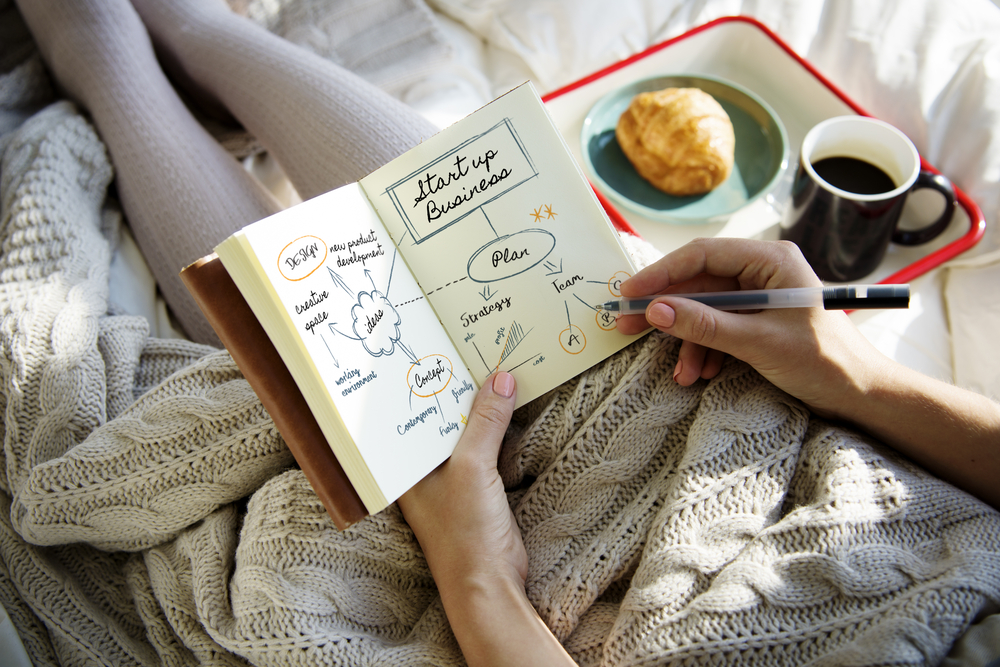
The technique is straightforward enough to practise at home, during a lunch break or at another point in the day when you have a little quiet time. Start by choosing an area of life that matters to you, such as your relationships, career, education, health or personal development. Imagine a realistic future in which you have made meaningful progress in that area, then spend 15 minutes writing about what that future would look like. Try to describe the details rather than simply listing achievements, and allow yourself to consider how you might feel and what your everyday life could involve.
For the exercise to be useful, focus on the future you would genuinely like to work toward. If you are worried about your career, picture yourself doing work that feels satisfying and using skills you have developed. If relationships are a source of stress, imagine communicating more confidently and building healthier connections with people you care about. You do not need to predict exactly how these changes will happen, and your writing does not have to sound impressive. The purpose is to give yourself time to consider positive possibilities without immediately dismissing them.
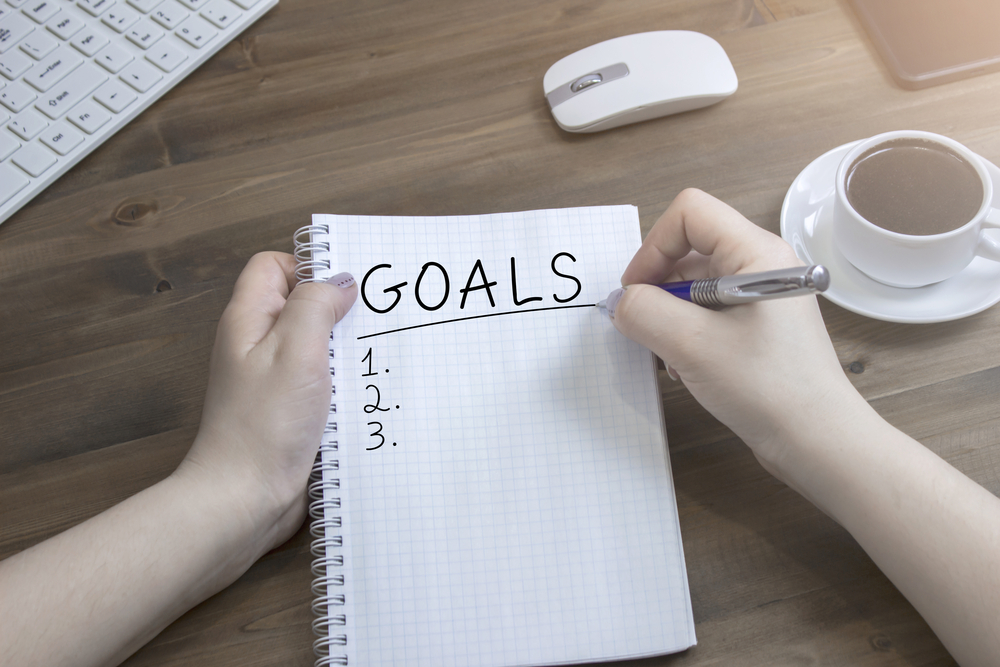
A simple structure can help you get started if you are unsure what to write. Use the following steps as a guide during your 15-minute session:
- Choose one meaningful goal: Pick an area of life where you would like to see progress rather than trying to solve every problem at once.
- Picture a realistic positive future: Imagine that you have made progress and describe what your circumstances might look like.
- Write down the details: Include your surroundings, activities, relationships and the personal qualities that helped you move forward.
- Explore what has changed: Consider which skills you have developed, what challenges you have handled and which choices have supported your progress.
- Repeat the practice: Try returning to the exercise regularly over two weeks and notice how your thoughts and feelings respond.
The Greater Good in Action programme at the University of California, Berkeley, recommends spending 15 minutes a day on the Best Possible Self exercise for two weeks. Repeating the practice gives you multiple opportunities to reflect on your goals and explore different possibilities for your future. You can find the programme’s instructions through its Best Possible Self exercise guide.

Why Writing Your Future Down Could Help
Imagining a better future can be enjoyable, but writing forces you to give that idea more shape. A general wish to become happier may be difficult to translate into action, while a detailed description of a satisfying day can help you identify what you actually want. You might discover that professional success means having more control over your schedule, that stronger relationships require better communication or that feeling healthier involves building a routine you can maintain. Putting these thoughts into words can help turn a vague ambition into something you can understand more clearly.
The process also gives you an opportunity to examine the assumptions that accompany your worries. Someone who believes they will never succeed at work might begin by imagining themselves developing new skills and handling responsibilities with greater confidence. Someone who worries about social situations could describe a future in which they feel more comfortable speaking openly and connecting with others. These imagined scenarios do not guarantee that the desired changes will happen, but they can offer a different perspective on what might be achievable.
A hopeful future can also provide a starting point for practical decisions. Once you have described what you want your life to look like, you can identify small actions that may move you in that direction. That could mean practising a skill, reaching out to someone, setting a manageable goal or asking for help with a problem that has been weighing on you. The exercise itself does not complete those tasks, but it may help you think about them with greater clarity. Its potential value lies in creating room for possibilities that anxiety might otherwise push aside.
What The Exercise Can And Cannot Do For Anxiety
The research offers a reason to consider the Best Possible Self exercise as one possible tool for supporting mental wellbeing, but it is important to understand its limits. The studies found reductions in anxiety among participants who completed the intervention, yet the findings do not prove that the technique will eliminate anxiety for every person. The participants were drawn from a non-clinical population, which means the results cannot automatically be applied to people experiencing severe symptoms or diagnosed anxiety disorders. More research would help clarify who benefits most, how long the effects last and how the technique compares with other approaches.
Psychiatrist Dr. Simon Faynboym has described the exercise as a way to support mood and motivation by directing attention toward a hopeful future. The approach is best considered alongside other measures that support mental health, including professional therapy, social support, healthy routines and prescribed medication when appropriate. Positive visualisation cannot remove financial pressures, repair every difficult relationship or resolve every source of uncertainty. However, it may help some people approach their goals with a different outlook while they work on those challenges.
It is also worth recognising that imagining a better future will not always feel comfortable. Some people may find that thinking about their ambitions makes the distance between their current circumstances and their hopes feel more obvious. If that happens, start with a smaller and more realistic improvement rather than picturing a perfect life in which every problem has disappeared. You could focus on handling one difficult conversation, feeling more confident about a particular task or establishing a routine that supports your wellbeing. If the exercise consistently increases your distress, stop and consider discussing other options with a mental health professional.
Why Repeating The Exercise May Matter More Than Getting It Right
People often expect a new habit to produce immediate results, especially when they are struggling with something as exhausting as anxiety. However, the findings from York St John University suggest that the Best Possible Self exercise deserves more than a single attempt. Participants who completed repeated sessions experienced significant reductions in anxiety, while one session alone was not associated with a significant change. This does not establish the ideal frequency for every individual, but it supports the idea of giving the practice time rather than judging its effectiveness after one short writing session.
There is no need to create an elaborate description or find the perfect words. Some days, your imagined future might focus on work or relationships; on others, you might write about having more confidence or feeling better equipped to handle everyday pressures. The point is to spend deliberate time considering what could go well and what you would like to achieve. If your thoughts keep returning to worries, you can acknowledge them and bring your attention back to the future you are describing.
Anyone experiencing persistent anxiety or depression should seek appropriate professional support rather than relying on a writing exercise alone. In the United States, the Anxiety and Depression Association of America provides information and resources for people looking for help. The Best Possible Self technique may be a useful addition for some people, but its effects will vary, and it is not a substitute for evidence-based treatment when that treatment is needed.
The next time your mind starts building an entire future around everything that could go wrong, consider giving yourself 15 minutes to write about another possibility. You do not have to convince yourself that life will be perfect or pretend your problems are easy to solve. Start by describing a future in which progress is possible, then identify one small action you can take today to move closer to it.
Sources:
- Duffy, J., Cole, S. N., Charura, D., & Shevchenko, J. (2025). Efficacy of the best possible self intervention for generalised anxiety: exploration of mediators and moderators. The Journal of Positive Psychology, 21(3), 488–499. https://doi.org/10.1080/17439760.2025.2487442
- Duffy, J., Salt, G., Cole, S., Charura, D., & Shevchenko, J. (2025, January 16). Anxiety and Future-Self Clarity: Can Future Thinking Influence Self-Esteem? https://ray.yorksj.ac.uk/id/eprint/11371/?