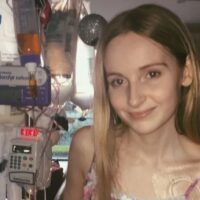
At just 21, Megan Dixon is facing one of the most difficult decisions of her life after years of severe pain, neurological symptoms, and the loss of her mobility. Her legs have remained locked in position for years, leaving her knees so badly damaged that doctors have reportedly told her amputation is now her only remaining option. The young woman from Cambridgeshire, England, has spent much of her teenage life dealing with a condition that dramatically changed her ability to move, communicate, and carry out everyday activities.
Dixon lives with functional neurological disorder (FND), a complex condition that can affect movement, sensation, speech, and other aspects of nervous system functioning. Her experience has involved years of medical care, significant physical limitations, and a struggle to regain independence. Despite everything she has faced, she continues to look toward a future where she can spend time with her fiancé, enjoy simple outings, and pursue a career. Her story also highlights the challenges people with complex neurological conditions can face when symptoms become severe and everyday life requires constant adaptation.
How Megan Dixon’s Health Began Deteriorating During Her Teenage Years
Dixon’s health problems reportedly began when she was 13, after she experienced whooping cough and glandular fever. She was initially diagnosed with myalgic encephalomyelitis (ME), a condition associated with debilitating fatigue and other symptoms that can significantly affect daily functioning. Her condition continued to worsen, and by the age of 14, she had stopped walking. What began as a serious health struggle gradually developed into a situation that affected nearly every part of her life.
As her symptoms progressed, Dixon experienced further difficulties with movement and communication. At 16, she lost the ability to sit upright independently and began losing her speech. Her hospital admission became an extended period of uncertainty, during which she also experienced loss of strength and vision. She described entering a coma-like state in which she was difficult to awaken, leaving her family deeply concerned about whether she would survive.
Dixon has also spoken about the pain she experienced while her legs remained locked straight. She recalled feeling as though the bones in her legs were grinding together and described the distress of struggling to have that pain taken seriously. For someone so young, the combination of severe symptoms, repeated medical challenges, and the loss of basic independence created an overwhelming situation.

Her family eventually raised concerns about her care, and she was transferred to a specialist neurological care facility. There, she worked on regaining functions after experiencing extensive paralysis. Although some aspects of her condition improved, the problems affecting her knees continued, creating additional physical challenges that would eventually shape her treatment options.
What Is Functional Neurological Disorder?
Functional neurological disorder, commonly known as FND, is a recognised condition affecting how the nervous system functions. It can interfere with the way the brain sends and processes signals involved in movement, sensation, and communication. People with FND can experience genuine and sometimes severely disabling symptoms, even when routine scans do not reveal structural damage that fully explains their difficulties.
The condition can affect people in different ways, with symptoms ranging from movement difficulties to seizure-like episodes. Some individuals experience weakness or difficulty walking, while others develop tremors, altered sensations, speech problems, or difficulties with concentration and memory. Symptoms can vary in severity and may change over time, meaning that each person’s experience requires an individual assessment.
Common symptoms associated with FND include:
- Movement difficulties: Weakness, tremors, spasms, or problems coordinating movements.
- Sensory changes: Numbness, tingling, or unusual sensations in different parts of the body.
- Functional seizures: Episodes that resemble epileptic seizures but have a different underlying mechanism.
- Speech problems: Difficulties speaking clearly or producing words.
- Cognitive symptoms: Problems with attention, memory, or processing information.
FND symptoms are not deliberately produced or imagined. Diagnosis relies on a clinical assessment that identifies features consistent with the condition, while clinicians also consider other possible explanations. Although psychological stress can play a role for some people, it does not explain every case, and FND should not automatically be attributed to a person’s emotional state.
Why Dixon’s Knee Damage Has Made Her Situation More Complicated
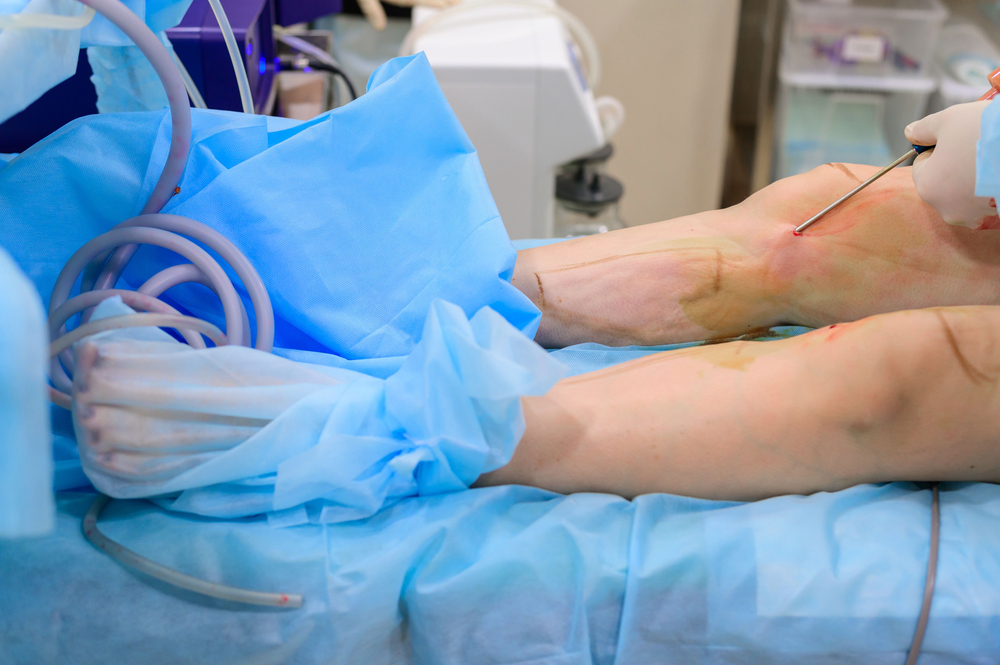
Dixon’s legs have remained locked in position for years, and she says the prolonged problem has caused irreversible damage to her knees. Her left knee is bent at approximately 45 degrees, while her right knee has developed a similar problem. The position of her legs severely restricts her movement, making ordinary activities such as transferring between surfaces and getting around her home much more difficult.
She has described needing assistance to get from the floor to her bed and struggling with the pressure placed on her knees. At times, she relies on her wheelchair or moves along the floor to get around. Tasks that many people complete without thinking can require considerable effort, assistance, and pain management in her circumstances.
Dixon has said that several surgeons declined to operate before she found one willing to help. By that stage, she was told the damage to her knees could not be reversed. Doctors reportedly advised that amputation was the remaining option for her particular situation, following years of complications and limited mobility.
Amputation is a major medical procedure that can involve a lengthy recovery and substantial physical and emotional adjustment. The decision requires careful consideration of pain, function, rehabilitation, mobility equipment, and a person’s individual circumstances. Dixon’s case should not be interpreted as a typical outcome of FND, because her reported knee damage and treatment decisions are specific to her medical history.
What Treatment for FND Can Involve
Treatment for FND is tailored to the individual because symptoms and their effects can differ considerably. For some people, specialist rehabilitation can help improve movement, coordination, and confidence with everyday activities. Treatment may involve physiotherapy, occupational therapy, psychological support, and care for related symptoms such as pain or sleep difficulties.
Specialist physiotherapy can focus on helping a person retrain movement patterns and gradually work toward practical goals. Occupational therapy can support daily activities through adaptations, equipment, and strategies designed around a person’s abilities. The approach should account for any additional physical conditions that may complicate rehabilitation.
Psychological support can also be helpful for some people living with FND. This does not mean that symptoms are imaginary or that the condition is simply caused by stress. Instead, therapy may help people understand symptoms, develop coping strategies, and address difficulties that affect their quality of life.
Treatment does not guarantee that every symptom will disappear, and some people continue to experience substantial disability. When someone has additional problems, such as significant joint damage, those complications may require separate medical management. A coordinated care plan can help ensure that neurological symptoms, physical health, rehabilitation needs, and daily support are considered together.
The Everyday Life Dixon Hopes to Reclaim
Despite years of difficulties, Dixon continues to speak about the future she wants to build. One of her hopes is to enjoy simple outings with her fiancé, Oliver Carrick, including visiting the zoo and spending time together outside the home. These goals reflect how much ordinary independence can mean to someone whose health has restricted so many everyday experiences.
The couple recently became engaged, and Dixon has also expressed an interest in becoming a nail technician. Her plans show that she continues to consider career possibilities and personal milestones despite the uncertainty surrounding her health. For someone who has spent years dealing with severe physical limitations, having goals beyond medical treatment can provide a meaningful direction for the future.
Dixon has also shared her experiences on TikTok in the hope of helping others understand what living with disability can involve. She has spoken about the importance of recognising that disabled people can have loving relationships and fulfilling personal lives. Her engagement has been one part of a future she continues to imagine beyond hospital stays and medical appointments.
Practical support has also helped make parts of her daily life more accessible. Dixon shared that Carrick and his father built a ramp so she could use her wheelchair to reach the backyard garden. Changes like these may seem small from the outside, but accessible spaces can create more opportunities for independence and participation in everyday life.
Supporting People Living With Complex Neurological Conditions
Living with a serious neurological condition can affect far more than physical health. It can change how someone works, maintains relationships, manages household tasks, and participates in activities they once enjoyed. For families and carers, the experience can also involve learning new ways to provide support while respecting the person’s independence and preferences.
Dixon’s experience highlights the importance of listening carefully when people describe persistent pain or changes in their abilities. Appropriate medical assessment, clear communication, and access to suitable specialist services can help people understand their options. People experiencing unexplained neurological symptoms should seek medical advice rather than assuming that one diagnosis explains every new problem.
For those already living with FND, practical steps may include asking their healthcare team about specialist rehabilitation, accessible equipment, occupational therapy, and support for daily activities. The right approach depends on the individual’s symptoms, medical history, and personal goals. Families and carers may also benefit from reliable information about the condition and guidance on supporting someone with significant disability.
Dixon’s reported need for amputation remains a specific and serious part of her medical story. Her experience does not mean that other people with FND will face the same outcome, and treatment options vary widely. What remains clear is that her priorities extend beyond managing a diagnosis: she wants greater independence, a chance to pursue her ambitions, and the freedom to share ordinary moments with the people she loves.