A mouse that had stopped building nests began doing it again after researchers gave it two injections of an experimental nanoparticle treatment. The same animals also performed better on a memory test, while researchers found more neurons in their brains.
The treatment, called Nano-ERASER, is still years away from becoming a human therapy. Yet the experiment raises an exciting question for Alzheimer’s research: could damaged brain cells eventually be replaced instead of simply protected from further decline?
Researchers Took A Different Approach To Alzheimer’s
Researchers at the University of South Carolina tested Nano-ERASER in mice bred to develop Alzheimer’s-like brain changes. The animals received two intravenous injections, with the doses given eight days apart.
The team then monitored the animals’ behavior and examined their brains for biological changes. According to the researchers, the treated mice showed improvements in both nest-building and performance in a water maze.
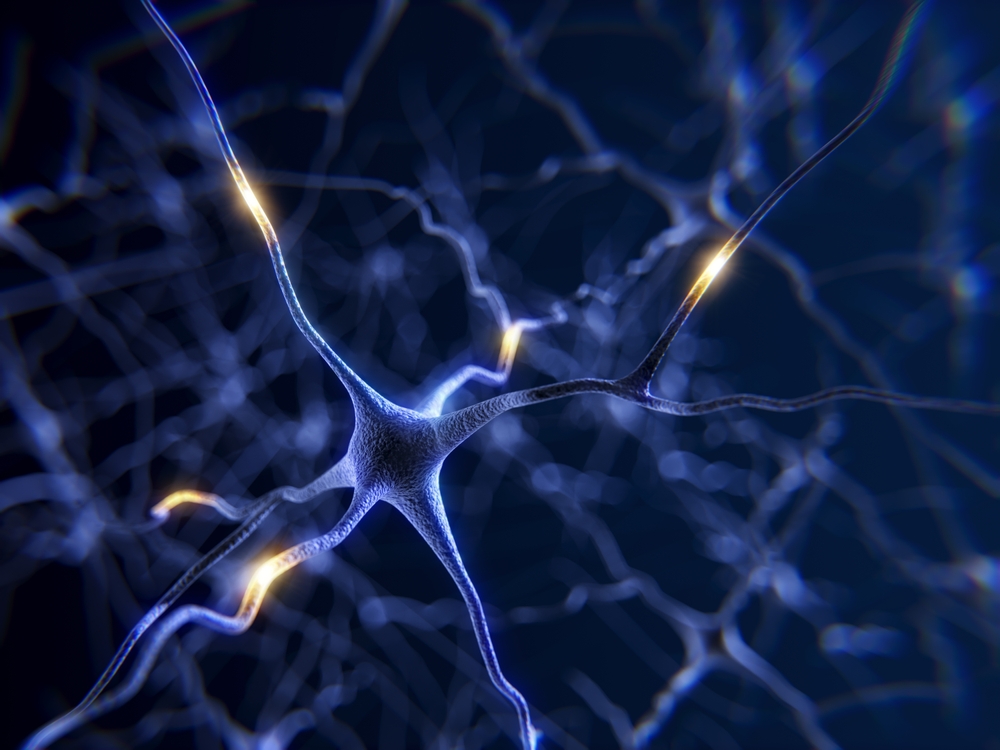
Those behavioral changes were accompanied by an increase in neuron density. Researchers also reported lower amyloid-beta levels and reduced neuroinflammation in the treated animals.
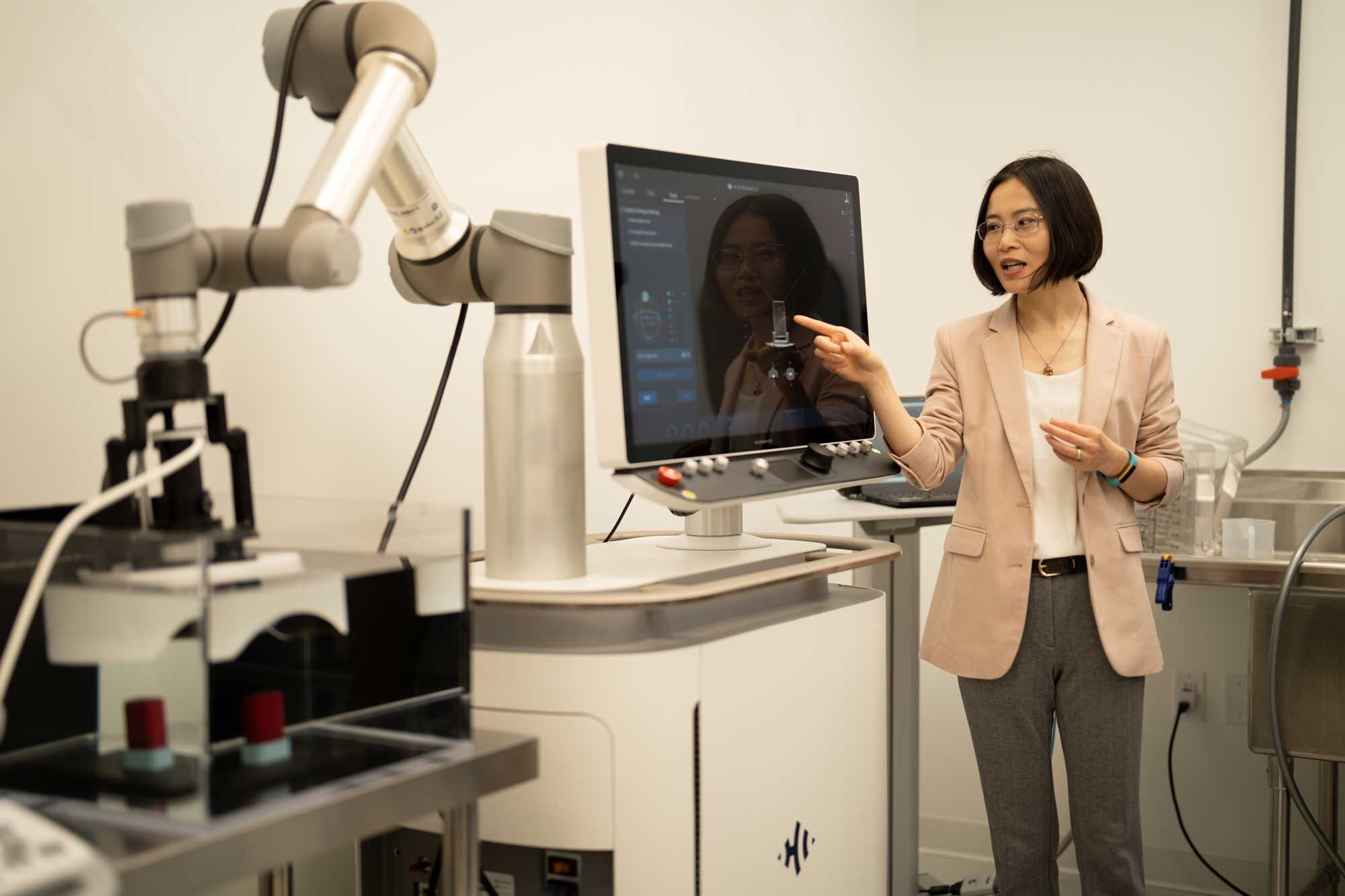
Peisheng Xu, who led the research, said, “After just two injections, these mice became smarter.” He also said the researchers noticed behavioral differences after just one injection.
The findings are striking, but they come from a small animal study. The treatment has not been tested in humans, so there is no evidence yet that it can reverse Alzheimer’s disease in people.
The Treatment Targets A Protein Inside Astrocytes
The researchers designed Nano-ERASER around a protein called PTBP1, which is found inside astrocytes. These star-shaped cells support neurons and help maintain the brain’s environment.
PTBP1 helps maintain the identity of astrocytes by blocking genetic programs associated with becoming a neuron. The researchers wanted to see what would happen if that protein could be removed.
How Nano-ERASER Works
The experimental treatment uses a polymer nanogel carrying antibodies. According to the research team, the particles can cross the blood-brain barrier and enter astrocytes.
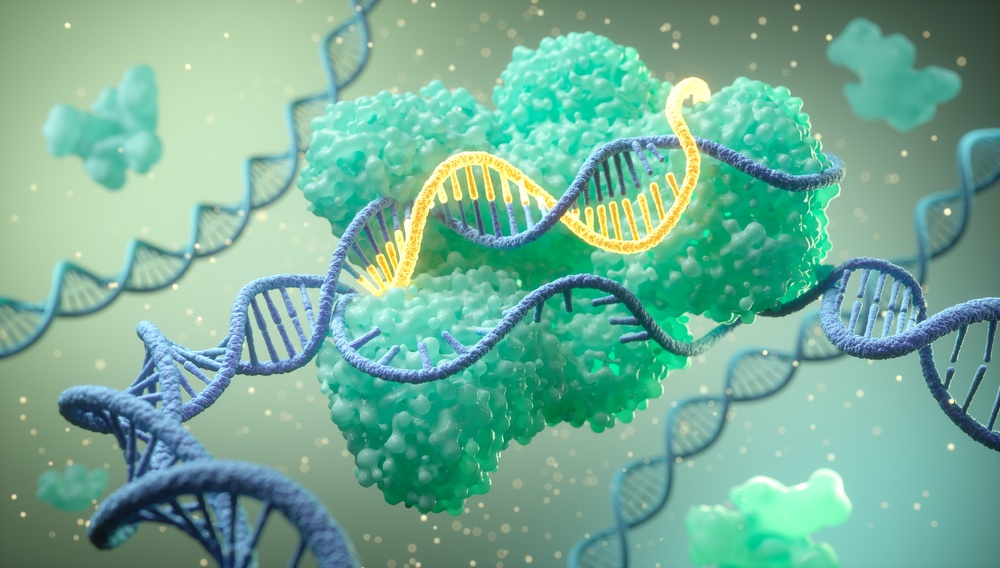
Once inside the cells, Nano-ERASER targets PTBP1 for destruction by the cell’s own disposal system. The researchers say this can encourage some astrocytes to change into neurons.
That approach is different from conventional Alzheimer’s treatments. Rather than focusing only on slowing existing damage, the researchers are investigating whether the brain could generate new cells to replace some of those that have been lost.
The Mice Started Building Their Nests Again
One of the most interesting parts of the experiment involved something that looks ordinary: nest-building.
Nest-building is a commonly used behavioral measure in mouse research. Mice with neurological problems can lose their ability to perform the behavior effectively, making changes in nesting useful to researchers studying brain function.
The Alzheimer’s-model mice had shown impaired nesting behavior before receiving treatment. After the injections, the researchers reported that their nesting scores improved over the following weeks.
The animals also performed better in a water maze, where they were trained to locate a hidden platform. The test is commonly used to examine learning and memory in mice.
The researchers said the treated animals became more efficient at finding the platform. These tests cannot establish whether the mice experienced memory recovery in the same way a person would, but they provide measurable evidence of behavioral change.
New Neurons Appeared Inside The Brain
The behavioral results were paired with changes inside the animals’ brains. Researchers reported higher neuron density in treated mice and said the newly generated cells matured instead of remaining stuck in an immature state.
Xu said, “The new neurons can become mature and survive.” The team also reported that treated mice had much higher neuron density than the untreated animals.
The researchers found other changes associated with Alzheimer’s disease as well. Treated brains contained less amyloid-beta, a protein associated with plaque formation, and showed less neuroinflammation.
Those findings make the experiment more interesting because several biological features changed at the same time. However, the results still need to be reproduced before scientists can know how dependable the effect is.
The Approach Does Not Edit DNA

Nano-ERASER also differs from gene-editing approaches because it does not directly alter DNA.
The treatment removes PTBP1, a protein, rather than permanently changing the genetic code. Since cells continually produce proteins, the researchers argue that this could make the cellular reprogramming process reversible.
Xu said, “We hope this can be more effective and also safer.” He added that the approach could avoid potential side effects caused by genetic-level changes.
That does not establish that Nano-ERASER is safe. Researchers still need to investigate possible side effects, how long the effects last, and whether changing astrocyte behavior could cause unwanted consequences elsewhere in the brain.
Earlier PTBP1 Research Produced Conflicting Results
There is another reason scientists need to approach the finding carefully: previous research involving PTBP1 has not produced consistent results.
Around 2020, researchers reported that suppressing PTBP1 could help turn astrocytes into functioning neurons in Parkinson’s disease models. Other laboratories later attempted to reproduce those findings and reported different results.
One team found no conversion of reactive astrocytes into dopamine neurons after repressing PTBP1. Another study involving Alzheimer’s-model mice, including the same 5XFAD strain used in the new research, also failed to observe the proposed conversion or a meaningful memory rescue.
The new study offers a possible explanation for the disagreement. The researchers argue that earlier methods may not have removed enough PTBP1, while Nano-ERASER is designed to eliminate the protein more thoroughly.
That remains a hypothesis that needs independent testing. The new experiment also involved small treatment groups, with six mice in each group, making replication especially important.
There Is No Human Treatment Yet
For families affected by Alzheimer’s, the biggest question is whether this discovery changes what people can do today. It does not.
Current Alzheimer’s medications work through different mechanisms. Drugs such as lecanemab and donanemab are designed to target amyloid and can slow disease progression in certain people with early Alzheimer’s.
Nano-ERASER is being investigated for a different goal: rebuilding neurons that have already been lost. That possibility is intriguing, but there is currently no evidence from this mouse experiment that the treatment can restore lost memories or cognitive function in people.
Anyone already receiving Alzheimer’s treatment should not stop or change medication because of this study. Decisions about existing treatments should continue to be made with a healthcare professional.
The Next Steps Could Take Years

The researchers now need to establish whether the newly generated neurons remain healthy and functional over longer periods. They also need to determine whether the findings can be reproduced by independent laboratories.
If the results continue to hold, the team hopes to move toward testing in nonhuman primates before eventually considering human trials. Each stage requires extensive testing for effectiveness and safety.
Several questions will determine whether Nano-ERASER can move beyond the laboratory:
- Does the effect last? Researchers need to know whether the new neurons remain functional over time.
- Can other laboratories reproduce it? Independent confirmation would strengthen confidence in the findings.
- Is the treatment safe? Long-term studies must identify potential effects from changing astrocyte behavior.
- Will it work in humans? Human Alzheimer’s disease is considerably more complex than an engineered mouse model.
Those unanswered questions are important because many experimental treatments that work in mice fail during later development. A promising result is only the beginning of the process.
What This Could Mean For Future Alzheimer’s Research
The most interesting idea behind Nano-ERASER is simple: perhaps some forms of brain damage could eventually be repaired by encouraging existing support cells to produce new neurons.
That possibility could give Alzheimer’s researchers another path to investigate alongside treatments designed to slow disease progression. For people living with the disease today, however, the evidence remains firmly in the experimental stage.
The next meaningful milestone will be independent researchers reproducing the result and showing that the new neurons remain functional without causing harmful effects. If those hurdles are cleared, the question can finally move from whether the approach works in mice to whether it could work in people.