Getting a child to eat vegetables can feel like a never-ending challenge. Many parents have tried every trick imaginable, from hiding spinach in smoothies to disguising broccoli with cheese or turning carrots into fun-shaped snacks. While picky eating is often blamed on personality or childhood habits, scientists are beginning to uncover evidence that these preferences may develop much earlier than anyone once believed. In fact, some of the foods your child happily eats; or refuses to touch; may have roots that stretch back to pregnancy itself.
A fascinating new study suggests that the flavors babies encounter in the womb could leave lasting impressions that influence how they respond to certain foods years later. Although this research is still in its early stages, it adds to a growing body of evidence showing that a mother’s diet during pregnancy does more than provide nutrients for a growing baby. It may also introduce developing babies to the tastes and aromas of healthy foods, gently shaping their future relationship with them. While it is far from a guarantee that eating kale during pregnancy will produce a vegetable-loving toddler, the findings offer an intriguing glimpse into one of the earliest influences on lifelong eating habits.
Babies Begin Experiencing Flavors Long Before Their First Meal
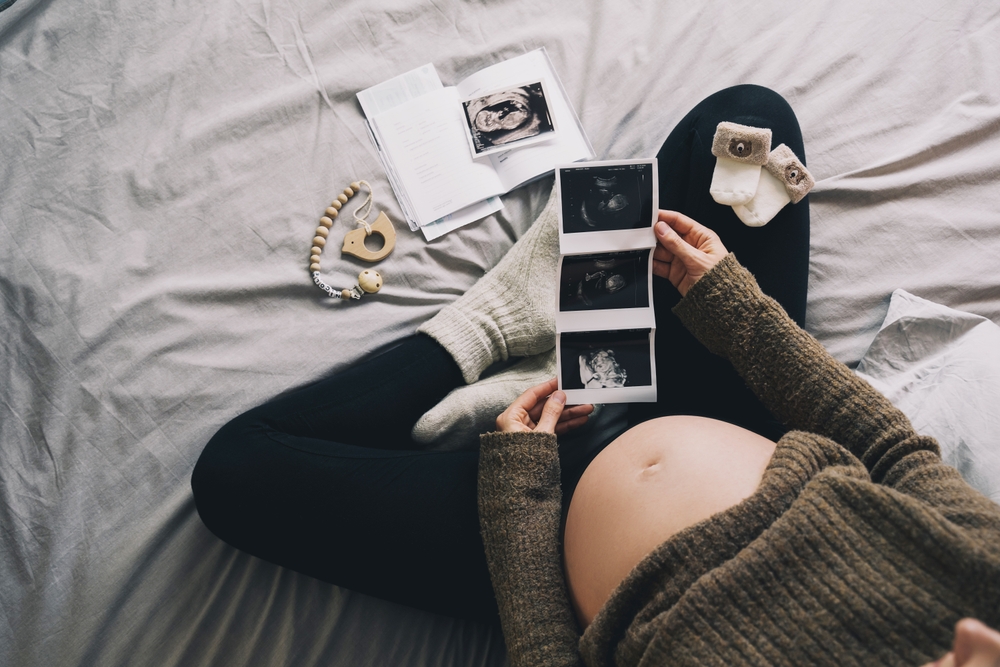
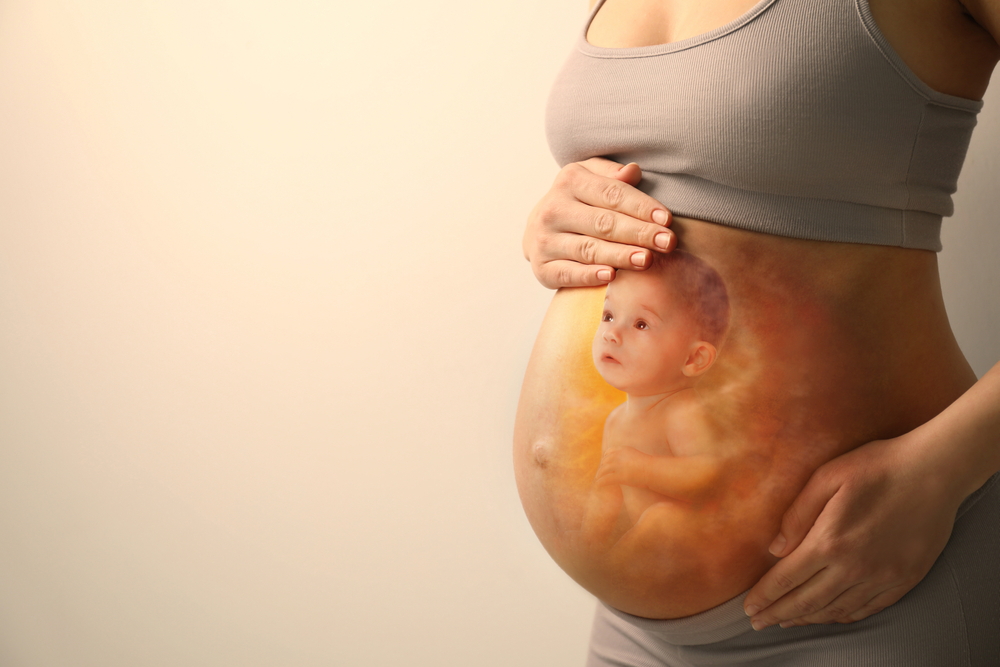
Many people think a baby’s first experience with food begins after birth, but scientists have known for years that the womb is far from a silent, inactive environment. As pregnancy progresses, babies become increasingly responsive to the world around them. They react to sounds, respond to light, recognize familiar voices, and even display facial expressions while still developing inside the uterus. Researchers have also discovered that the amniotic fluid surrounding a fetus carries compounds from foods eaten by the mother, exposing babies to different flavors before they ever take their first bite.
These flavor compounds come from a wide variety of foods, including fruits, vegetables, herbs, spices, and other ingredients commonly found in everyday meals. As the fetus swallows amniotic fluid throughout pregnancy, tiny amounts of these flavor molecules interact with developing taste and smell receptors. Scientists believe these repeated exposures may help familiarize babies with certain flavors, making them seem less foreign after birth.
Previous research has already shown that breastfed infants can detect flavors from their mother’s diet through breast milk. This newer research extends that idea even further by suggesting that flavor learning may begin months before birth. Rather than starting with a blank slate, babies may already have early sensory experiences that influence how they react to foods during infancy and early childhood.
This doesn’t mean every child will automatically enjoy every vegetable their mother consumed while pregnant. Food preferences are shaped by genetics, family eating habits, repeated exposure, culture, and environment. However, prenatal flavor exposure may become one of the earliest pieces of that much larger puzzle.
What Researchers Found When They Followed Children for Three Years
The new study, published in Developmental Psychobiology, followed pregnant women who were assigned to consume either carrot powder capsules or kale powder capsules during pregnancy. Researchers selected these vegetables because they have distinct aromas, making it easier to observe whether prenatal exposure produced measurable differences after birth.
The investigation began before delivery. Using ultrasound imaging, researchers observed fetal facial expressions after mothers consumed the vegetable capsules. Earlier phases of the study suggested that babies exposed to carrot flavors appeared to show more positive facial responses than those exposed to kale. These observations sparked an important question: would these early reactions persist as the children grew older?
To answer that question, researchers continued following the same children after birth. Their facial reactions to the smell of carrots and kale were examined again at approximately three weeks of age and later when the children reached three years old. According to the researchers, the response patterns remained surprisingly consistent across each stage of development.
Children who had been exposed to carrot flavors during pregnancy generally reacted more favorably to the smell of carrots while showing less enthusiasm for kale. Children exposed to kale displayed the opposite tendency, appearing more comfortable with kale’s aroma than carrot’s. Although the study involved only twelve children, the repeated observations suggest that prenatal flavor exposure may create sensory memories that remain detectable years later.
How Flavor Memories May Form Before Birth
One of the most intriguing ideas behind this research is that babies may develop what scientists describe as long-lasting chemosensory memories before they are born. Chemosensory memories involve the brain’s ability to recognize and remember smells and flavors after repeated exposure. Rather than consciously remembering these experiences, the developing brain may simply become more familiar and comfortable with certain sensory signals.
Professor Nadja Reissland, the study’s lead author from Durham University, explained that the findings suggest exposure to particular flavors during late pregnancy may result in lasting flavor or odor memories that continue influencing children’s responses years after birth. If confirmed by larger studies, this would represent one of the earliest examples of learning occurring before a child even enters the world.
Researchers believe this process is biologically plausible because fetal sensory systems become increasingly sophisticated during the final months of pregnancy. Babies are constantly swallowing amniotic fluid, practicing breathing movements, and receiving sensory information that helps prepare them for life outside the womb. Exposure to dietary flavors could simply become another part of this normal developmental process.
Still, scientists stress that these early flavor memories are only one influence among many. A child’s eating habits continue evolving throughout infancy and childhood as they encounter new foods repeatedly, observe family members’ eating behaviors, and develop personal preferences through experience.
Why This Could Matter for Future Healthy Eating
Parents often worry about introducing vegetables because young children naturally gravitate toward sweeter tastes. Bitter vegetables like kale, broccoli, Brussels sprouts, and cauliflower are among the foods most commonly rejected during the toddler years. If future studies continue to support these findings, introducing these flavors before birth may become one more tool parents can use to encourage healthier eating habits later on.
The researchers believe prenatal flavor exposure could make certain foods seem more familiar rather than completely new. Familiarity often reduces hesitation when trying foods for the first time. This doesn’t mean children will instantly love vegetables, but they may be less likely to reject them purely because the taste or smell feels unfamiliar. Since repeated exposure is already known to improve food acceptance in childhood, prenatal exposure may simply provide an earlier starting point.
The findings could also have implications beyond vegetables. Professor Nadja Reissland noted that healthy diets differ around the world. In countries where fish, seaweed, legumes, or fermented foods are dietary staples, exposing babies to those flavors during pregnancy could potentially help children become more accepting of culturally healthy foods as they grow. Although this idea remains theoretical for now, it opens interesting possibilities for future research.
Healthy eating habits develop over many years, influenced by family routines, school environments, food availability, and personal experiences. Prenatal nutrition is unlikely to determine everything, but it may quietly contribute to the foundation upon which lifelong dietary patterns are built.

The Study Offers Exciting Clues, But There Are Important Limitation
As encouraging as these findings are, they should be interpreted with caution. The biggest limitation is the study’s small sample size. Only twelve children completed the long-term follow-up, making it difficult to know whether the same results would appear across larger and more diverse populations.
The researchers themselves acknowledge this limitation and emphasize that much larger studies are needed before firm recommendations can be made. Small studies often provide valuable early evidence, but they must be replicated to confirm that the findings are reliable and not influenced by chance or other factors. Future research involving hundreds or even thousands of families could provide a clearer understanding of how prenatal flavor exposure interacts with genetics, parenting styles, and childhood environments.

It is also important to remember that food preferences continue evolving after birth. Babies experience flavors through breast milk, transition to solid foods, and learn eating behaviors by watching parents and siblings. Even if prenatal exposure influences early familiarity with certain foods, repeated exposure during infancy remains one of the strongest predictors of whether children eventually accept vegetables.
The study also focused only on carrot and kale, leaving many unanswered questions. Scientists still need to investigate whether similar effects occur with other vegetables, fruits, herbs, spices, and culturally specific foods. Researchers are also interested in understanding whether artificial flavorings or highly processed foods produce similar sensory effects, though no clear conclusions exist yet.
What Expecting Mothers Can Take Away From This Research
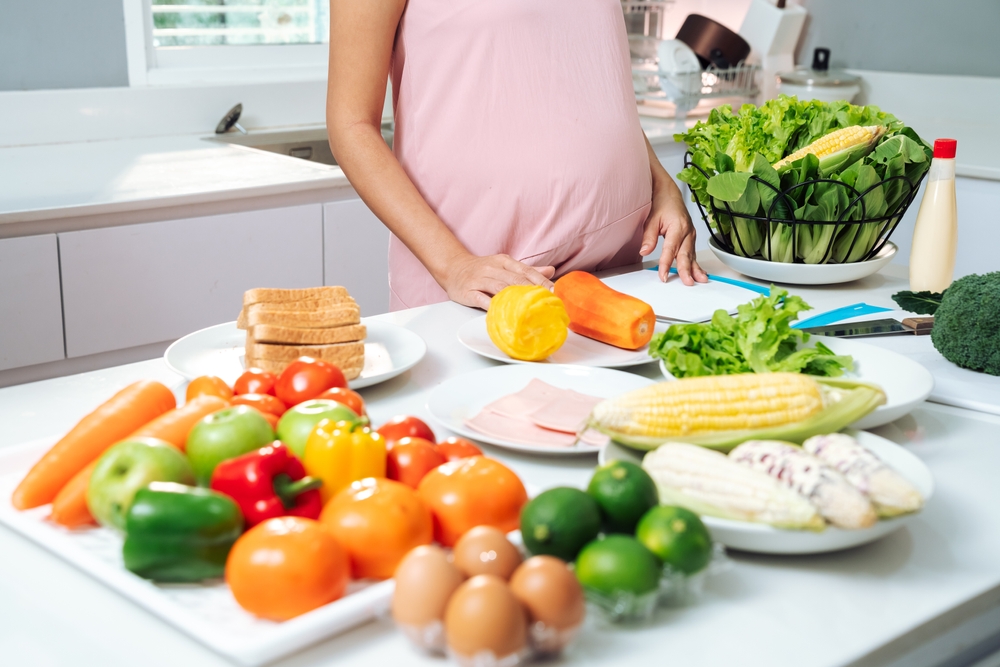
While scientists continue investigating prenatal flavor learning, one message remains consistent across decades of research: eating a varied, nutrient-rich diet during pregnancy supports both maternal health and fetal development. Fruits, vegetables, whole grains, legumes, healthy fats, and lean protein all provide nutrients that help babies grow while also supporting the mother’s changing nutritional needs.
Rather than focusing on eating one “magic” vegetable, expecting mothers may benefit more from enjoying a wide variety of colorful plant foods whenever possible. Different vegetables supply different vitamins, minerals, antioxidants, and fiber, all of which contribute to a balanced diet. If these foods also introduce babies to diverse flavors before birth, that may become an added bonus rather than the primary goal.
Of course, pregnancy can bring food aversions, nausea, and changing appetites that make healthy eating more difficult. Every pregnancy is unique, and no one should feel guilty if certain vegetables become impossible to tolerate during certain stages. Healthcare providers can help mothers find practical ways to maintain balanced nutrition despite these challenges.
The most important takeaway is that healthy eating during pregnancy benefits both mother and baby in many well-established ways. Whether future research confirms lasting flavor memories or not, choosing nourishing foods remains one of the most valuable investments parents can make before their child is even born.
Planting Healthy Eating Habits Before Birth May Be Easier Than You Think
Parents often wonder when healthy eating habits truly begin. This research suggests the answer may come much earlier than the first spoonful of baby food. While no single meal can determine a child’s future preferences, the foods eaten during pregnancy could become part of a much larger story about how children learn to enjoy nutritious foods.
Scientists still have many questions to answer, and larger studies will be needed before prenatal flavor exposure becomes an established nutritional recommendation. Even so, the findings offer an encouraging reminder that healthy choices made during pregnancy may have benefits that extend beyond growth and development. They could also introduce babies to the flavors of wholesome foods long before their first trip to the dinner table.
Sources:
- Reissland, N., Ustun-Elayan, B., Schaal, B., et al. (2025). Do human fetuses form long-lasting chemosensory memories? Developmental Psychobiology. PubMed. https://pubmed.ncbi.nlm.nih.gov/42120040/
- Reissland, N., Einbeck, J., Baguckaitė, D., Ustun‐Elayan, B., Schaal, B., & Blissett, J. (2026). Do human fetuses form Long‐Lasting Chemosensory memories? Longitudinal Follow‐Up from fetus to young child of facial responses to Flavor/Odor stimuli. Developmental Psychobiology, 68(3), e70165. https://doi.org/10.1002/dev.70165