For millions of people across the UK and Europe, a doner kebab after a night out is less a meal than a ritual. Warm pitta, shaved meat, some kind of sauce, and the particular pleasure of eating something reassuringly greasy while standing on a pavement at midnight. Nobody in that moment is asking too many questions, which is perhaps why the dish has survived so long without serious public scrutiny.
A Channel 4 investigation that has resurfaced repeatedly online is changing that, and the reaction from people encountering the footage for the first time suggests the questions might have been worth asking considerably sooner.
What You Were Supposed to Be Getting
Before getting into what the testing found, it helps to understand what a doner kebab is meant to contain. Doner comes from the Turkish döner kebap, where döner means rotating and kebap means roast meat, referring to seasoned meat cooked on a vertical rotisserie and shaved into thin strips as it turns. Pitta bread, salad, and sauce complete the standard format. Turkish immigrants brought the dish to West Berlin in the 1970s, and it spread across Western Europe from there.
In the UK, both the British Food Standards Agency and the Oxford English Dictionary are fairly specific about what goes into a product sold under that name. Lamb or mutton is the required meat. If something else is used, the product should be labeled accordingly and marketed as a different dish entirely. A doner kebab, by the established definition, is a lamb product. That standard exists for reasons that go well beyond semantics, including the dietary requirements of Muslim and Jewish consumers who may be purchasing these products with specific religious expectations about what they contain.
What a Forensic Scientist Found in Nine Different Takeaways
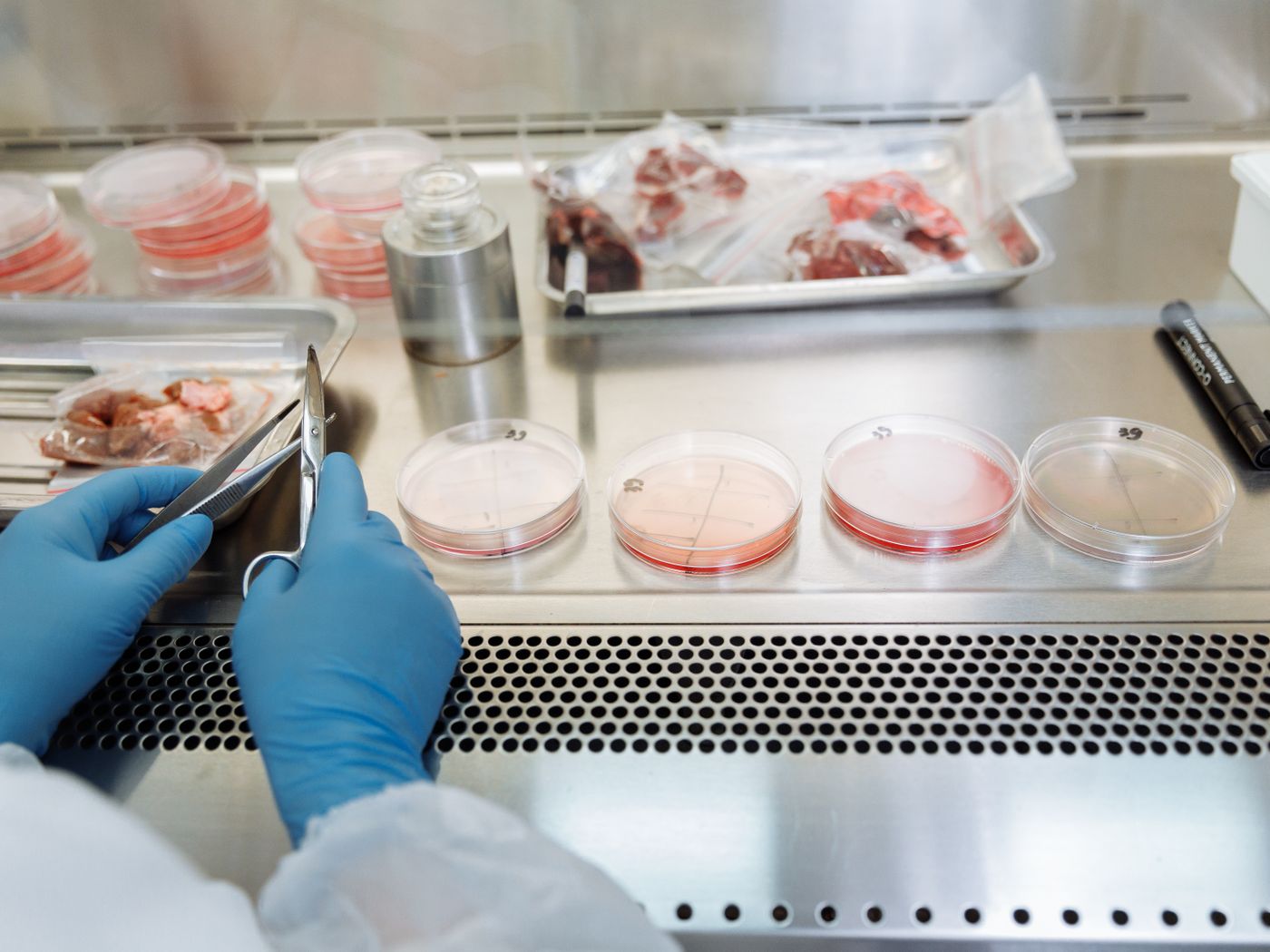
Food Unwrapped, the Channel 4 series fronted by TV presenter and farmer Jimmy Doherty, decided to test the gap between expectation and reality. Doherty purchased doner kebabs from nine different UK takeaways and delivered them to forensic scientist Paul Hancock for chemical and DNA analysis. The results were not subtle. “Most of them contain chicken,” Paul told him. “We’ve also got a couple that contains beef. Fortunately, we found no goat, no donkey, and no horse in any of the products.”
Out of nine products purchased and sold as doner kebabs, exactly one contained only lamb. Every other sample contained chicken, beef, or some combination of the two, and several contained pork, a detail with significant implications for the significant proportion of UK customers who observe halal or kosher dietary requirements. When Doherty asked Hancock to estimate what a larger sample might look like, Hancock put the expected failure rate at around 60% across 900 products. That is not an occasional labeling error or an isolated outlier. That is a systemic pattern.
The Part About Pork
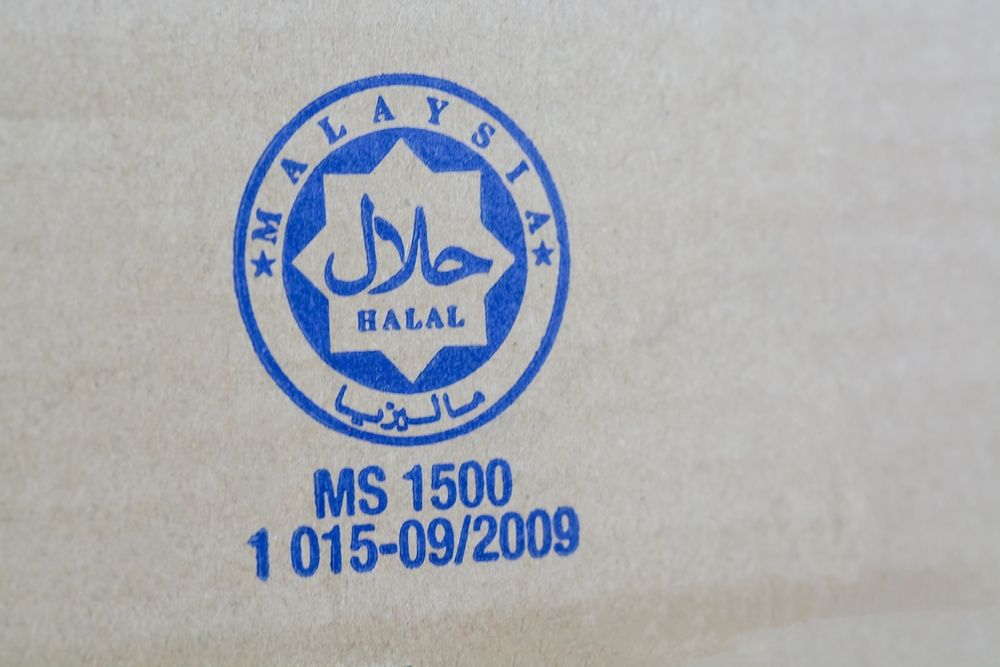
For Muslim and Jewish consumers, the presence of pork in products sold as lamb is not simply a consumer protection concern in the abstract. Both faiths observe religious dietary laws that prohibit pork, and purchasing a product explicitly labeled or understood to be lamb is a reasonable way of attempting to comply with those requirements. Finding out after the fact that several of the tested products contained pork moves this beyond a general question about ingredient transparency into something more personal and more serious.
British food labeling law exists in part to prevent exactly this kind of inadvertent mislabeling. Whether it is being adequately enforced is a different question, and one that the Food Unwrapped findings raise directly.
Then There Is the Question of How It Is Made
For viewers who had managed to stay calm during the ingredient reveal, the footage of how commercial doner meat is manufactured presented a second challenge.
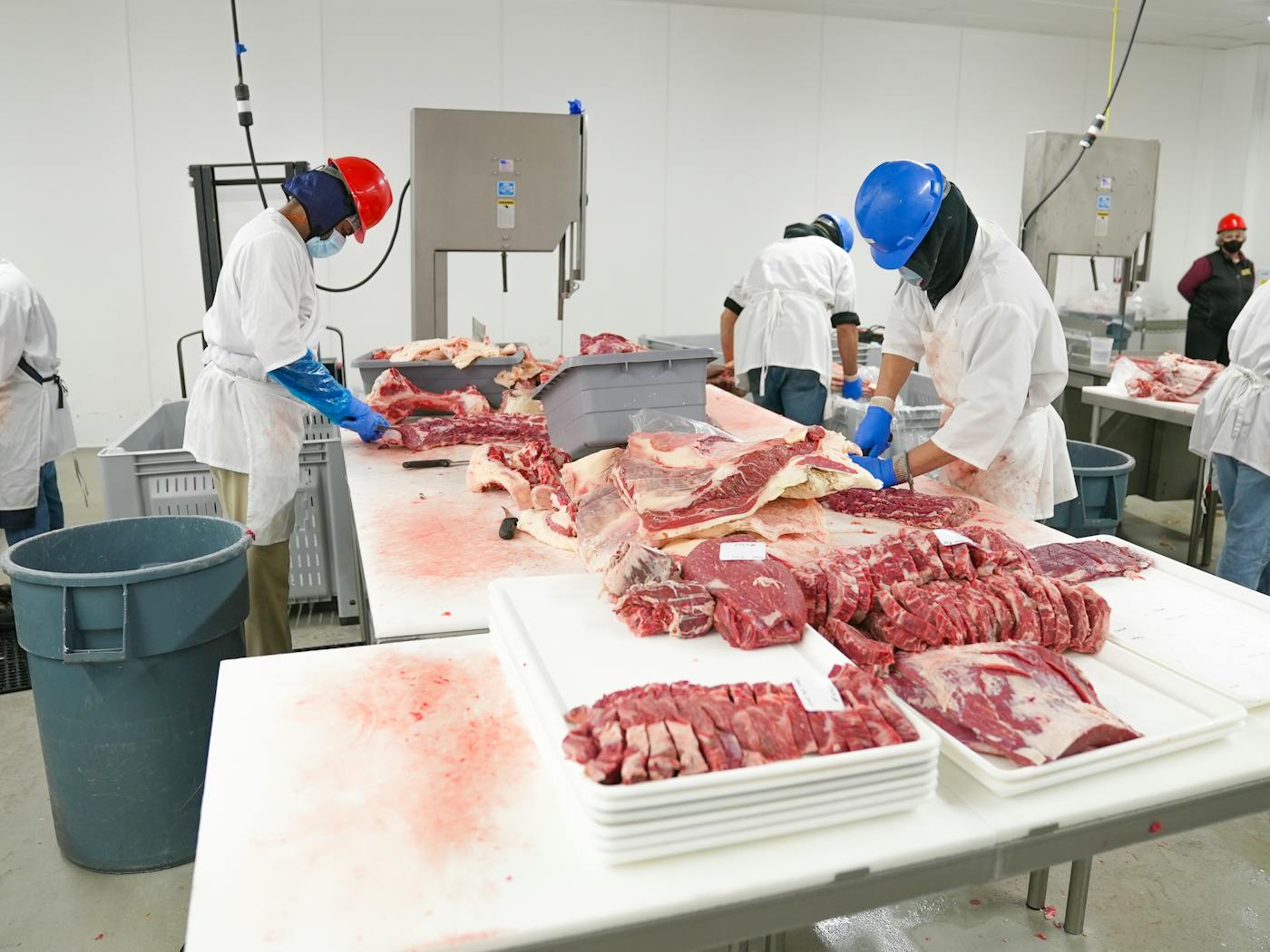
Production starts with chunks of meat, often described as trimmings sourced from supermarkets, being fed into an industrial grinder that reduces them to mince. That mince is transferred to a separate vat and combined with salt, onion powder, and soya protein. What emerges is a mixture running approximately 85% meat, 5% seasoning, 5% bulking agent, and 5% rusk, a dried bread product found in sausages, burgers, and pies, where it serves to bind the flavor, color, and seasoning together during cooking.
Once mixed, the material is pressed and shaped into patty-sized disks. Those disks are stacked around a central metal spit, with lamb skin layered between them as an additional binding agent, and the whole assembled mass is trimmed into the characteristic cone shape that rotates on the rotisserie in takeaway windows across Britain. It is an entirely legal process, and one used widely across the processed meat industry. It is also, once seen, quite difficult to unsee.
Commenters who encountered the footage for the first time were largely not charmed by the revelation. One noted pointedly that around 10% of the product appeared to be classified simply as “bulk.” Another drew a comparison to fast food burgers, describing the result as mystery meat. A third speculated about what might be present in samples from smaller operators where no testing had ever been conducted, and landed in a fairly dark place.
The Reaction Was Not Unanimous

To be fair to the doner kebab, not everyone who watched the footage or read about the findings found it particularly alarming. Several viewers pushed back firmly on the suggestion that disclosure should be followed by abstinence.
“I don’t care what it is made of, as long as all the ingredients are honestly listed so I can make an informed choice,” one viewer wrote, a position that represents a reasonable middle ground between willful ignorance and abandoning the dish entirely. Another commenter declared their love for doner kebabs openly, noted they eat them sober, and described them as bloody delicious before pivoting to a complaint about the declining quality of chilli sauce, a concern that many readers would likely rate as more immediately pressing.
and the
The genuine argument underlying both responses is a sensible one. A processed meat product made from trimmings, held together with rusk and soya protein, is not obviously worse for a person than a fast food burger, a supermarket sausage, or any number of other processed meat products that people consume without particular distress. What makes the doner situation distinct is the gap between what people believe they are buying and what they are actually receiving, along with the specific problem of mislabeled pork in a product purchased by people whose religious practice requires them to avoid it.
Getting What You Actually Ordered
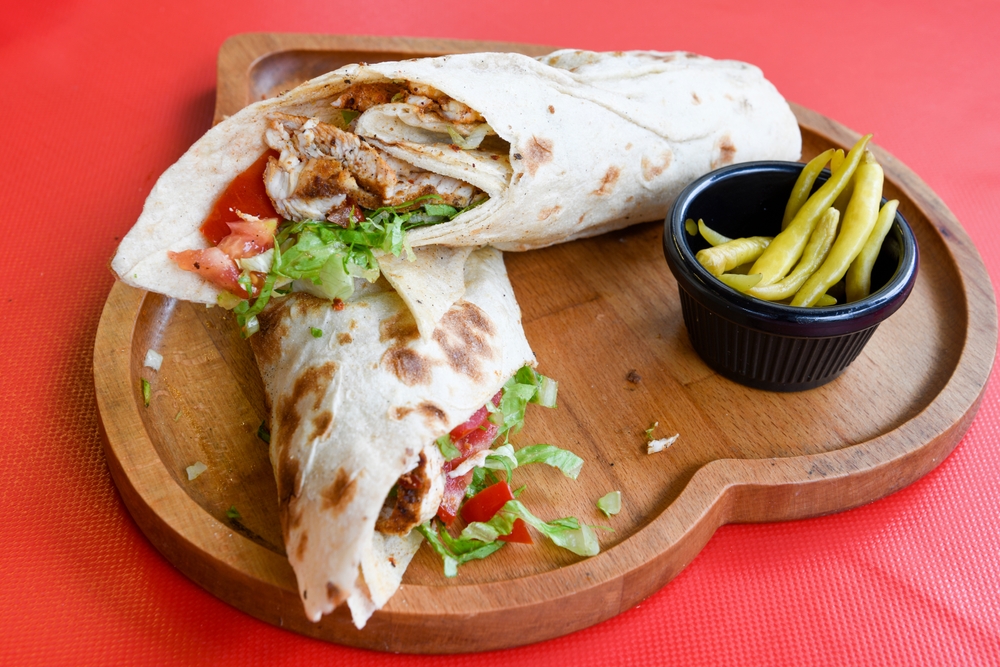
For readers who want a doner kebab that is genuinely made from the advertised meat rather than a compressed and trimmed commercial product, one viewer offered a specific and practical recommendation that holds up.
“If you want 100% of a specific meat, either chicken or lamb doner, then only go to a restaurant that serves Yaprak Doner. It translates as leaf doner, the cut gives you smaller pieces instead of the long strip of meat, but you are guaranteed the meat you want as it’s made in-house.”
Yaprak Doner, made from thin actual cuts of meat stacked by hand on the premises rather than manufactured offsite and delivered as a cone-shaped block, is available at higher-end Turkish restaurants in most major UK cities. Sourcing it requires slightly more effort than walking into the nearest takeaway at midnight, but it does at least guarantee that the lamb on the menu is also the lamb on the plate, which, as the Food Unwrapped investigation makes fairly clear, is a standard the street food version of the dish has been struggling to meet.
A Dish With a Better Past Than Its Present
Doner kebab has a genuine culinary tradition behind it, rooted in Turkish cooking with centuries of history before the industrialized version arrived in Western fast food culture. What the Channel 4 footage documents is what tends to happen when a traditional dish scales up into mass production under minimal regulatory oversight. Cuts get made, cheaper ingredients get substituted, and the labeling requirement that is supposed to protect consumers from exactly this kind of substitution turns out to be less than reliably enforced.
Whether knowing all of this changes behavior at midnight on a Saturday night in a UK city centre is probably a separate question entirely.