Imagine needing a heart transplant but having to wait months or even years for a suitable donor. For people living with severe heart failure, that wait can be frightening, particularly when their condition continues to deteriorate. Now, advances in medical technology are opening up another possibility: an artificial heart designed to take over the work of a failing human heart while responding to the body’s changing needs.
French medical technology company Carmat developed a device that aims to reproduce some of the functions of a natural heart. Unlike earlier mechanical designs that relied on a fixed pumping rhythm, this artificial heart uses sensors and an algorithm to adjust blood flow depending on the patient’s activity. The technology could offer another option for people awaiting transplants, while raising an important question about how far mechanical heart replacements might eventually go.
Why Heart Failure Leaves So Many People Waiting
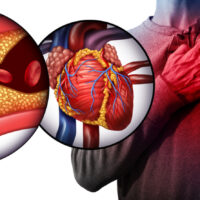
Heart failure affects millions of people worldwide and can make ordinary activities increasingly difficult. The condition develops when the heart cannot pump enough blood to meet the body’s demands, meaning organs and tissues may not receive the oxygen they need. People can experience breathlessness, fatigue, swelling, and reduced physical endurance, with severe cases requiring advanced medical treatment.
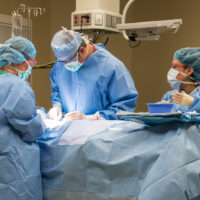
For some patients, a heart transplant offers the best available treatment option. However, donor hearts are limited, and finding a suitable match can take considerable time. Patients may spend years waiting for an organ, while their health continues to depend on how well their remaining heart function can be supported.
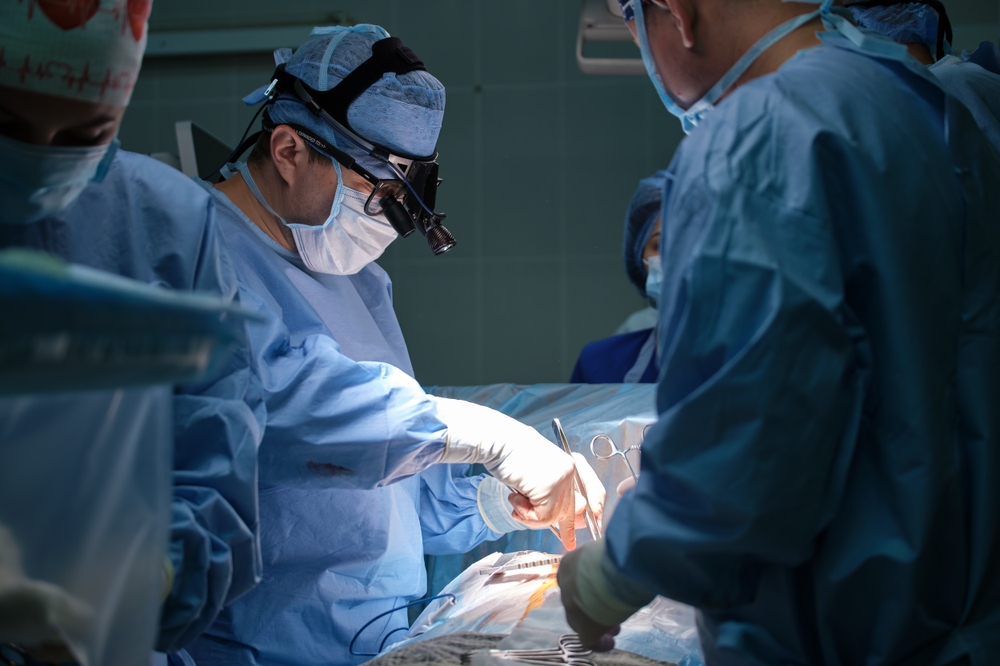
The shortage of donor organs has encouraged researchers to develop mechanical devices capable of assisting or replacing the heart’s pumping function. These technologies could provide support while patients wait for transplantation, potentially giving them more time and improving their treatment options.
How Carmat’s Artificial Heart Works
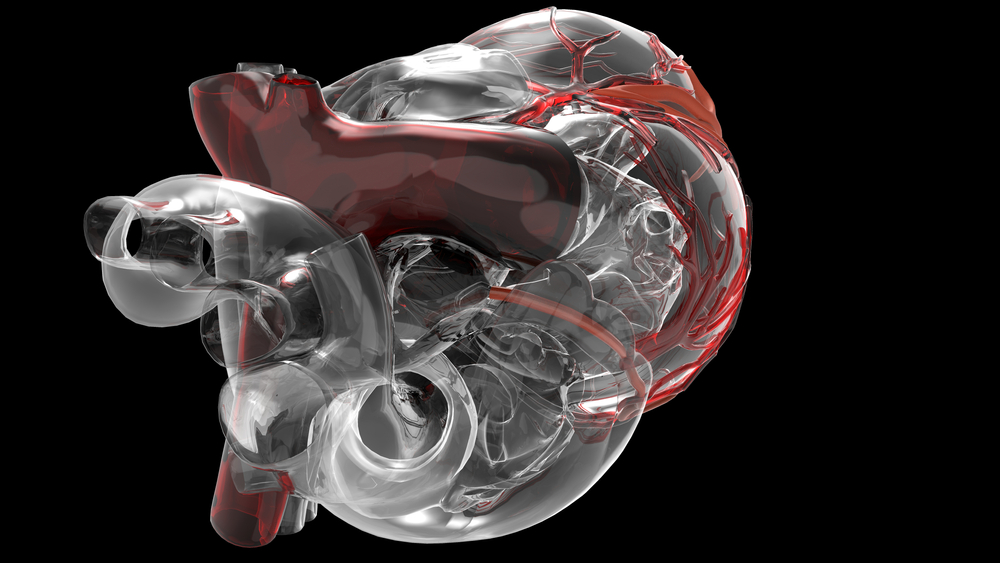
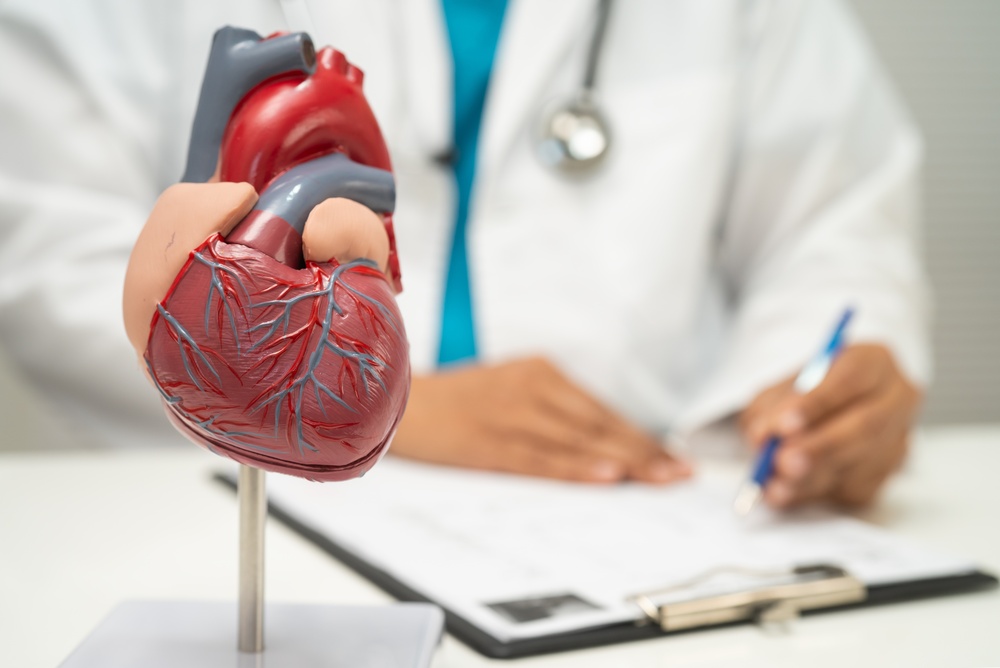
Carmat designed its artificial heart to replace the function of the entire human heart. The device resembles the natural organ and weighs approximately four kilograms. It operates using two battery packs, which provide around four hours of power before the system needs to be connected to a mains electricity supply.
Its most distinctive feature is the ability to respond to changes in physical activity. A natural heart increases its pumping activity when someone walks, exercises, or performs physically demanding tasks. When the body rests, the heart adjusts its output to match the lower demand for blood and oxygen.
Carmat’s system attempts to reproduce this response through sensors that monitor blood pressure. An algorithm processes the information and controls blood flow in real time, allowing the device to adjust its operation according to the patient’s needs.
A Mechanical Heart That Responds to Movement
Carmat CEO Stéphane Piat explained the technology’s approach: “It works like a human heart so if the patient walks, the blood flow increases and if the patient is at rest, the blood flow is stable and low.”
This ability to adjust blood flow could help make mechanical heart support more responsive to everyday activities. A patient walking around the house has different circulation requirements from someone resting in bed, and the device is designed to account for those changes automatically.
Materials Designed for Compatibility
Another important part of the design involves the materials that come into contact with the patient’s blood. Carmat uses materials intended to be compatible with the human body, helping reduce the risk of adverse reactions. Once surgically implanted, the device is also designed to operate without routine maintenance, according to the company’s chief executive.
Why Developing a Replacement Heart Is So Difficult
Creating a mechanical device capable of replacing the human heart presents considerable engineering and medical challenges. The natural heart operates continuously throughout a person’s life, adjusting its output to meet changing demands. A replacement must maintain blood circulation while limiting complications that could threaten the patient’s health.
Earlier attempts to develop total artificial hearts encountered problems involving blood clots, strokes, and infections. Mechanical surfaces and moving components can affect how blood behaves inside a device, creating risks that researchers must carefully address. These complications have made long-term reliability one of the biggest challenges in artificial heart development.
Professor Martin Cowie, a cardiology expert at Imperial College London, viewed the materials used in Carmat’s design as a positive development. He also expressed cautious interest in the concept, explaining: “Time will tell … but I like their ideas.”
His assessment reflects the careful approach required when evaluating medical technology. A device can demonstrate promising engineering features, but researchers still need substantial clinical evidence to establish how safely and effectively it performs over time.

What Happened When Patients Received the Artificial Heart?
By March 2021, 19 patients had received Carmat’s artificial heart as part of clinical trials. This provided an opportunity to evaluate the complete device in people with severe heart failure and gather information about its performance.
The company received a CE marking in December 2020, allowing it to market the device in the European Union under the applicable regulatory framework. In February 2021, it also received authorization to begin a feasibility study intended to support its application to the US Food and Drug Administration.
At the time, Carmat was preparing to begin sales in Germany and aimed to manufacture 20 artificial hearts before the end of 2021. Each device was expected to cost hospitals more than €160,000. These were commercial plans announced during that period, rather than confirmation of subsequent sales or current availability.
The company had been established in 2008, although development of its artificial heart began much earlier. French surgeon Alain Carpentier started working on the concept approximately 25 years before the company was founded. By 2021, Carmat had around 190 employees and had received more than €250 million in funding.
The Limitations Patients Still Need to Consider
Despite its potential, Carmat’s artificial heart had several limitations that could affect which patients were suitable for the device. One of the biggest concerns involved its physical dimensions. The existing design was suitable for most men but too large for most women, restricting the number of people who could potentially receive it.
Developing smaller versions would be an important step toward making the technology accessible to more patients. Human bodies vary in size, and an artificial heart must fit within the chest while maintaining the capacity to support circulation. This makes miniaturization a significant challenge for medical engineers.
Battery requirements also introduce practical considerations. The two battery packs provide approximately four hours of power before requiring a connection to mains electricity. Patients would therefore need to manage their power supply and consider how charging requirements fit into their daily routines.
Long-term safety also remained an important question. Nineteen trial patients represented an early clinical experience, and much more information would be needed to establish how the device performs over extended periods. Its ability to respond to physical activity was an interesting feature, but patient outcomes would ultimately determine its value.
Other Companies Are Developing Artificial Heart Technology
Carmat was not the only company working on mechanical heart replacements. Arizona-based SynCardia already produced a total artificial heart, although its technology used a fixed beat rate rather than automatically adjusting to changes in physical activity in the same way Carmat’s device was designed to.
Another French company, CorWave, was pursuing a different approach to treating heart failure. Instead of replacing the entire organ, its technology was designed to assist the pumping function of one of the heart’s four chambers. This type of device is known as a left ventricular assist device.
How CorWave’s Technology Differs
CorWave’s system aims to help an existing heart pump blood more effectively. The technology is designed to monitor patient activity and adjust blood flow according to the body’s requirements.
CEO Louis de Lillers explained: “We’re able to track the activity of the patient and are able to adapt the flow to the patient’s needs.”
The company had secured approximately €80 million in funding, including €15 million from the European Commission, and was preparing for clinical trials in Europe and the United States at the time.
These different approaches demonstrate how medical researchers are working on several solutions for advanced heart failure. Some devices assist a damaged heart, while others aim to replace its pumping function entirely.
Could Artificial Hearts Eventually Replace Transplants?
Carmat initially intended its artificial heart to provide temporary support for people awaiting donor organs. However, the company’s longer-term ambition was to develop a device that could potentially remain implanted permanently.
Piat described this ambition by saying: “The vision is (for it) to be used as … a device for life.” He also acknowledged that achieving this goal would require collecting longer-term data, making the process considerably more demanding.
A permanent artificial heart would need to demonstrate consistent performance over many years. Researchers would have to establish how well the device handles changing physical demands, whether complications develop over time, and how patients fare compared with those receiving donor hearts.
Professor Cowie believed mechanical heart technology could eventually reach a stage where patients might have comparable outcomes with an artificial pump and a transplanted organ. However, that possibility depended on further research and clinical evidence.
A New Direction for People Living With Severe Heart Failure
Artificial heart technology offers researchers another way to address the shortage of donor organs and the challenges faced by people with advanced heart failure. Carmat’s design demonstrated an attempt to reproduce the natural heart’s ability to adjust blood flow according to physical activity, while other companies were exploring different forms of mechanical support.
For patients, these developments could eventually expand the available treatment options. The technology still faces questions involving size, battery requirements, safety, and long-term reliability, but continued clinical research will help establish where mechanical heart devices fit into modern cardiac care.
For someone waiting for a transplant, the possibility of a reliable mechanical replacement could change the choices available during an incredibly difficult period. The next major milestone for artificial hearts will be proving that they can keep patients safely supported over the long term.