
Menopause marks the end of a woman’s reproductive years, but scientists are discovering that the ovaries may continue playing a biologically significant role long after fertility ends. New research suggests that these organs undergo age-related changes that could help explain aspects of women’s health during later life, including the growing risk of ovarian cancer.
A study published in the scientific journal Aging Cell examined healthy ovarian tissue from 28 postmenopausal women and identified distinct changes in proteins associated with aging. The findings are giving researchers a new way to investigate how ovarian tissue changes over time and how those changes might influence health beyond reproduction.
The Research Challenges What We Know About Menopause
For many years, the ovaries have primarily been understood through their reproductive function. They release eggs and produce hormones that help regulate the menstrual cycle, but these functions change significantly during menopause. Once the reproductive years end, it can be tempting to assume that the ovaries become largely inactive.
Researchers Francesca Duncan of Northwestern University and Birgit Schilling of the Buck Institute wanted to investigate what happens to ovarian tissue after this transition. Their work suggests that the ovaries continue to undergo biological changes, even when they no longer release eggs.
“In the ovary, we reach a point of no return with respect to fertility in which it’s no longer producing eggs, and I would venture to say most people assume those ovaries are just sitting there doing nothing, similar to the appendix,” Duncan explained.
Schilling emphasized the broader significance of studying these organs after menopause. “The ovary is not just a reproductive organ,” she said.
The researchers believe that understanding ovarian aging could help scientists investigate connections between the ovaries and other organs, including the brain and bones. Although the study does not establish these connections directly, it provides a foundation for asking more detailed questions about women’s health during the postmenopausal years.
How Scientists Studied Ovarian Aging
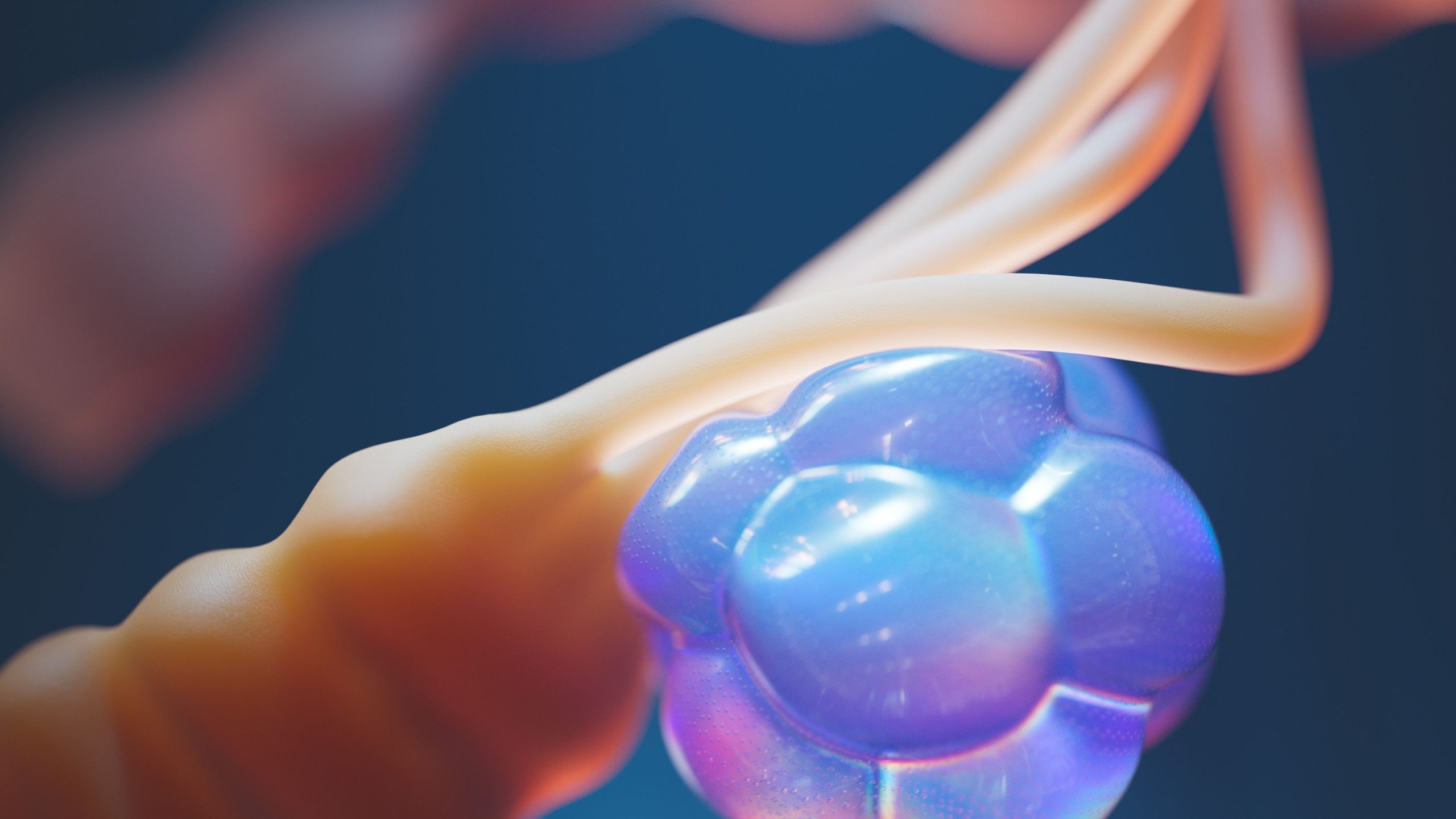
The research team analyzed ovarian tissue from 28 postmenopausal women whose ovaries had been surgically removed for various reasons. None of the samples included in the study showed signs of disease, allowing the researchers to examine age-related changes in tissue that was considered healthy.
The women were divided into three age groups: 50 to 59, 60 to 69, and 70 years and older. Researchers then used mass spectrometry to identify and compare the proteins present in their ovarian tissue.
Proteins perform many essential functions throughout the body. They help maintain cells, regulate biological processes, support immune activity, and contribute to the structure of tissues. Studying their patterns can therefore offer clues about what is happening inside an organ as it ages.
Why Protein Analysis Matters
Mass spectrometry is a laboratory technique that allows scientists to identify and measure molecules in biological samples. In this study, it helped researchers compare ovarian protein profiles across different age groups and identify patterns associated with aging.
The team identified a core set of 17 proteins that characterized the changes observed in human ovarian tissue. These proteins helped reveal differences between the younger and older postmenopausal groups.
The results also resembled findings from an earlier study involving mice conducted by Duncan. Seeing comparable patterns across species gives researchers additional confidence that the changes may reflect meaningful biological processes rather than random variation.
Duncan had initially expected ovarian tissue from women of different postmenopausal ages to look largely similar because the ovaries no longer contained eggs. The observed differences challenged that expectation and raised new questions about what ovarian tissue continues to do throughout aging.
However, the study involved only 28 women and examined tissue at a particular point in time. It cannot establish how these changes progress in an individual woman or determine whether they directly cause particular health conditions.
What Changes Inside the Ovaries After Menopause
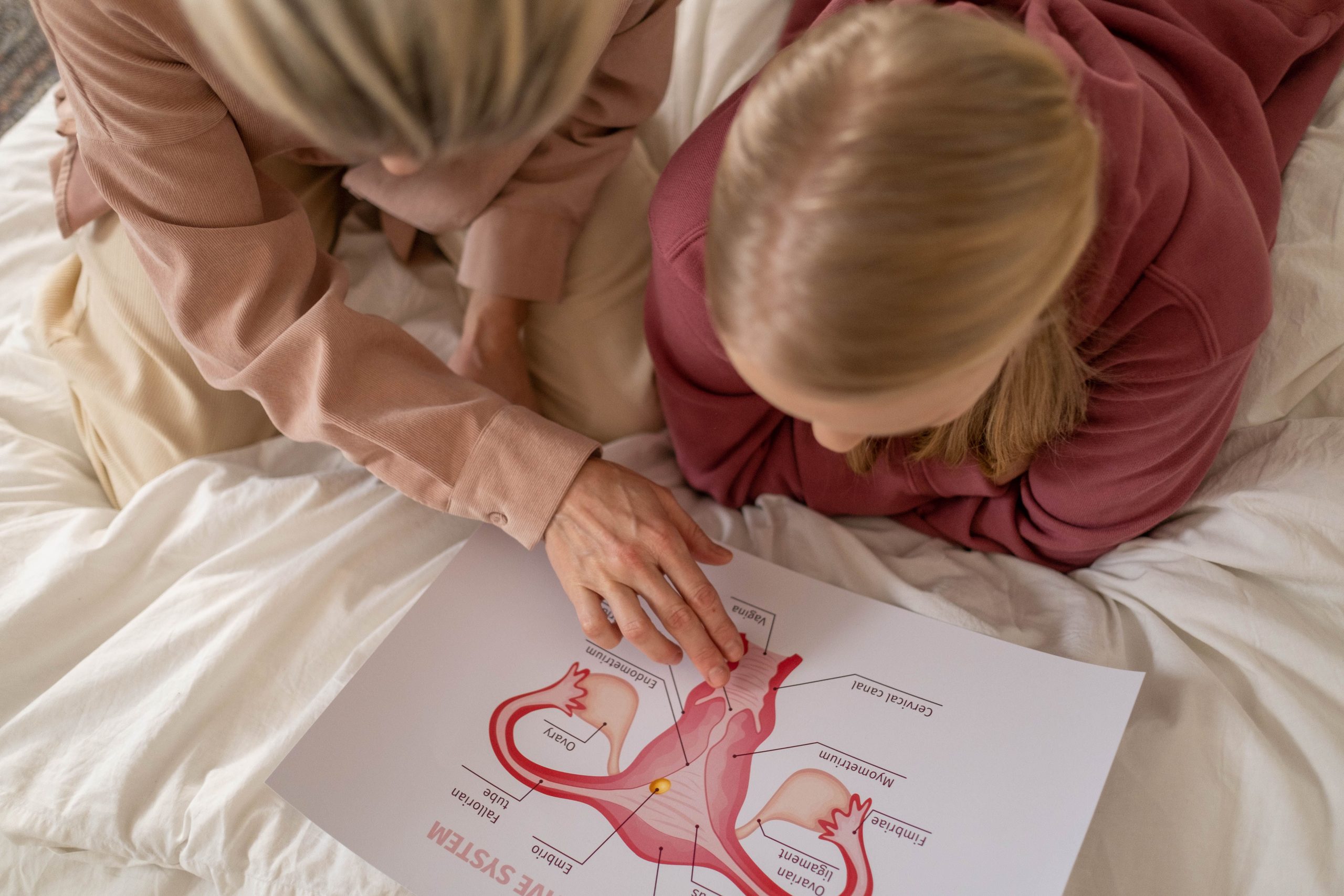
The protein profiles differed between the age groups, suggesting that ovarian tissue continues to change as women grow older. Researchers found that tissue from women aged 50 to 59 contained more proteins associated with RNA and DNA regulation, along with maintaining tissue structure and cellular function.
RNA helps cells use genetic information to produce proteins, while DNA carries the instructions that guide cellular activity. Proteins involved in these processes are essential to the maintenance and function of living tissue.
In contrast, ovarian samples from women aged 70 and older showed higher levels of proteins involved in lipid metabolism, innate immunity, and inflammation. Lipid metabolism refers to the biological processes through which the body handles fats and related molecules, while innate immunity describes the body’s immediate defense mechanisms against potential threats.
These differences suggest that ovarian tissue changes in several ways as it ages. Rather than remaining biologically identical after menopause, it appears to develop a different pattern of protein activity over time.
The Role of Inflammation and Immune Activity
Inflammation is a natural part of the body’s response to injury and infection. The immune system uses a range of biological processes to recognize threats and maintain tissue health, but these processes can also change as people grow older.
The increased presence of proteins associated with inflammation and innate immunity in the oldest group gives researchers an opportunity to investigate how these processes operate within aging ovaries.
The findings do not prove that inflammation in ovarian tissue necessarily causes disease. Instead, they provide evidence that immune-related activity forms part of the biological changes researchers can observe after menopause.
Understanding these patterns could help scientists investigate whether certain changes are associated with healthy aging, disease risk, or both. More research will be needed before those relationships can be clearly established.
Why Ovarian Aging Could Matter for Overall Health

The research has implications beyond fertility because scientists are interested in how the ovaries may relate to other systems in the body. Schilling highlighted the potential relationship between ovarian biology, the brain, and bone health, both of which are important considerations for women after menopause.
Bone health deserves particular attention during this stage of life. Menopause is associated with hormonal changes that can contribute to bone loss, increasing the risk of osteoporosis in some women. Researchers are interested in understanding how different biological processes interact during this period.
The current study did not directly measure bone density, brain function, or the effects of ovarian proteins on other organs. It therefore cannot establish that the protein changes identified in ovarian tissue cause changes elsewhere in the body.
Nevertheless, the findings support further investigation into the biology of aging ovaries. A clearer understanding of these organs could eventually help researchers identify connections that are not fully understood today.
For women, the research also illustrates why health after menopause deserves continued attention. Reproductive aging is one part of a much broader biological transition, and scientists are still learning how different systems change during the decades that follow.
What the Study Found About Ovarian Cancer
One of the most significant questions raised by the research concerns ovarian cancer, a disease whose risk increases with age. The researchers identified proteins previously associated with ovarian cancer in healthy ovarian tissue, with these proteins appearing most prominently in samples from women in their 60s.
The study also identified age-related changes involving the extracellular matrix, a network of proteins and other materials that supports cells and helps maintain tissue structure. According to the researchers, collagen accumulation and a fibrotic, inflammatory environment may create conditions that are more favorable to tumor development.
Collagen is a structural protein that provides support to tissues throughout the body. Changes in the amount and organization of collagen can affect the environment surrounding cells, which is one reason scientists study the extracellular matrix when investigating cancer biology.
The presence of cancer-associated proteins in healthy tissue does not mean that the women had ovarian cancer or would necessarily develop it later. Instead, the findings suggest that age-related changes in the ovarian environment could be worth investigating as one factor involved in cancer risk.
Duncan explained that the researchers were interested in how the tissue environment might influence cancer development. “It’s not that all postmenopausal women get ovarian cancer, but we know that that fibrotic inflammatory environment is certainly an environment that cancer cells prefer to home in on,” she said.
The study did not prove that these tissue changes cause ovarian cancer. It identified patterns that could help scientists develop more detailed investigations into the relationship between ovarian aging and the disease.
Could These Findings Help Identify Cancer Risk Earlier?
The researchers raised the possibility of investigating new biomarkers for ovarian cancer. Biomarkers are measurable biological indicators that can provide information about processes occurring in the body, including changes associated with certain diseases.
If future research establishes reliable relationships between particular protein patterns and cancer development, scientists may be able to explore whether those patterns could help improve risk assessment. Researchers have also raised the question of whether targeting certain aspects of ovarian aging could eventually influence cancer risk.
These possibilities remain exploratory. The study did not develop or validate a new cancer screening test, establish a treatment, or demonstrate a method of preventing ovarian cancer.
Larger studies will be necessary to determine which protein changes are most meaningful, whether they can predict health outcomes, and whether any findings can be translated into clinical care.
Practical Ways to Support Health After Menopause

Although this research does not provide a new treatment for ovarian aging, women can still take practical steps to support their overall health during the postmenopausal years. The most useful approach is to focus on established health habits and discuss individual concerns with a healthcare professional.
Maintain regular healthcare appointments. Routine visits provide opportunities to discuss new symptoms, review personal and family medical history, and address health concerns that may arise after menopause.
Pay attention to bone health. Ask your healthcare professional about your individual risk of osteoporosis and whether bone density testing is appropriate for you. Bone health deserves particular attention as women age.
Stay physically active. Walking, strength training, and other suitable forms of exercise can help maintain muscle strength, mobility, and bone health. Choose activities that match your fitness level and any medical guidance you have received.
Eat a balanced diet. A varied diet containing vegetables, fruits, protein sources, whole grains, and appropriate sources of calcium and vitamin D can help support general health. Individual nutritional needs may change with age.
Discuss your family history. Tell your healthcare professional if ovarian cancer or certain related cancers have occurred in your family. Family history can influence an assessment of personal risk and whether further evaluation is appropriate.
These steps support overall well-being, but none has been shown by this study to prevent the specific protein changes observed in aging ovaries. There is currently no established lifestyle intervention in these findings that reverses ovarian aging.
Recognizing Symptoms That Need Medical Attention
Ovarian cancer can be difficult to recognize early because its symptoms may resemble common digestive or urinary problems. Persistent bloating, pelvic or abdominal pain, feeling full quickly, difficulty eating, and changes in urinary habits can have several possible causes.
If these symptoms are new, frequent, or persistent, seek medical advice rather than assuming they are a normal part of menopause or aging. They do not automatically indicate cancer, but discussing ongoing changes with a healthcare professional can help determine whether further evaluation is needed.
Women should also understand that this study does not establish a new screening recommendation. Questions about ovarian cancer screening and individual risk should be discussed with a healthcare professional who can consider personal circumstances and current medical guidance.
What Researchers Need to Investigate Next

The study offers an initial roadmap of the biological changes occurring in postmenopausal ovaries, but several important questions remain unanswered. Scientists need to investigate how the protein profiles change over time and whether particular patterns are associated with measurable differences in health.
Future research will also need to examine larger and more diverse groups of women. The current study included 28 tissue donors, so its findings cannot be assumed to represent every woman or every stage of postmenopausal aging.
Another priority is determining whether the observed protein patterns can help explain the relationship between aging ovarian tissue and ovarian cancer. Researchers will need to establish which changes are associated with disease risk and whether those changes can be measured reliably in ways that are useful for healthcare.
The team has also raised the possibility of developing new biomarkers or investigating therapies that target aspects of ovarian aging. However, these ideas require further research before they can be considered practical medical options.
For now, the findings contribute to a growing scientific interest in understanding women’s health beyond the reproductive years. They also show how examining healthy tissue can reveal biological changes that deserve closer attention.
Understanding Ovarian Health Beyond Fertility
The end of menstruation marks a major transition, but scientists are finding that ovarian biology continues to change long after fertility ends. This research offers new clues about age-related protein activity and raises questions about inflammation, tissue structure, and ovarian cancer risk.
For women, the most useful takeaway is to stay informed about postmenopausal health without treating these early findings as a reason for alarm. Researchers have not established that the identified changes inevitably lead to disease, and the study does not offer a new treatment or prevention strategy.
As scientists learn more about aging ovaries, they may eventually uncover information that improves understanding of women’s long-term health. For now, regular healthcare, attention to persistent symptoms, and a focus on established health habits remain sensible priorities after menopause.