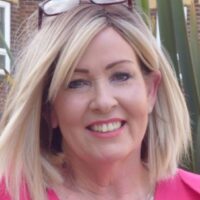
When Dr Imogen Brooks lost most of her tongue to cancer at just 26, the challenges did not end when her treatment was over. Although surgeons reconstructed her tongue, the effects of radiotherapy later made speaking clearly a daily struggle, leaving her frustrated by conversations that once came naturally.
Now, a bespoke artificial tongue developed by specialists at Guy’s and St Thomas’ NHS Foundation Trust is helping the London doctor communicate more easily again. The device is believed by the team to be the first of its kind made on the NHS, and its impact has reached far beyond the ability to pronounce words, allowing Brooks to reconnect with loved ones and regain confidence in her professional life.
How Cancer Treatment Changed Her Life Beyond The Diagnosis
Brooks was just 26 when she received a diagnosis of squamous cell carcinoma, the most common type of head and neck cancer. Surgery to remove the tumour took away most of her tongue, leaving her to undergo reconstruction and an extensive recovery process.
Initially, her speech was good following the reconstruction. However, subsequent radiotherapy caused the remaining tongue tissue to shrink, affecting her ability to produce sounds clearly enough for other people to understand.
The consequences extended into almost every part of her life. Brooks, who lives in Newham in east London, found that even ordinary interactions could become uncomfortable when people struggled to follow what she was saying.
She relied on speech assistance technology for phone calls, while some acquaintances and former colleagues avoided speaking to her in person because they were worried about understanding her. Conversations could become frustrating when people assumed they knew what she had said instead of asking her to repeat herself.
Brooks described how strangers sometimes looked at her nervously or in fear when they heard her speak for the first time. She also explained that people would sometimes smile without responding, apparently filling in the gaps themselves rather than checking what she meant.
These misunderstandings created practical problems as well as emotional strain. Incorrect information could affect medical appointments, while communication difficulties also presented challenges at work.
As someone working in a field that depends on understanding and expressing information, Brooks knew she had plenty to contribute. Yet her reduced intelligibility made it harder to communicate that value, affecting her confidence and independence.
The Patient Who Asked Doctors To Try Something Different
Rather than accepting that these difficulties were unavoidable, Brooks began researching possible solutions herself. Having read academic journal papers about prosthetic tongues, she approached her clinicians at Guy’s and St Thomas’ NHS Foundation Trust to ask whether she might be suitable for one.
Her request brought together specialists who would need to work across several areas of expertise. The challenge involved understanding her individual speech difficulties, developing a workable design and creating a device that could fit comfortably inside her mouth.
Brooks famously compared the response to “assembling the Avengers.” At her next appointment, she found eight people in the room, all willing to explore the idea and determine whether they could make it work.
That willingness to collaborate became a central part of the project. Carolyn Doughty, an advanced specialist speech and language therapist at the trust, brought together a multidisciplinary team involving restorative dentistry, doctors and laboratory technicians.
The team included dental technician Michael Brown, who helped develop the prosthesis, alongside other specialists with expertise in oral surgery and restorative dentistry. They worked together to turn Brooks’ research into a practical device tailored to her needs.
Doughty had supported Brooks through her recovery following surgery and radiotherapy. She understood the communication difficulties she continued to experience and helped coordinate the specialists needed to investigate another approach.
For Brooks, the process offered an opportunity to address a problem that had continued despite rehabilitation. Her willingness to research the options and explain what she needed also gave the team valuable information about the outcome she hoped to achieve.
How Specialists Designed Her Custom Artificial Tongue
Creating the prosthesis required months of research, scanning, development and testing. The team produced two trial tongues before refining the final version, using feedback from Brooks to understand which shapes worked best for her speech.
The finished device consists of a U-shaped framework made from cobalt chrome that clips onto her lower teeth. Attached to it is a fixed silicone tongue shaped specifically for her mouth.
The design needed to support the movements required to produce as many speech sounds as possible. Because Brooks’ remaining tongue tissue had changed following treatment, the specialists could not simply rely on a standard device and expect it to work.
Brown explained that the team had never made something like it before, although they welcomed the challenge. He said the design was based on a shape that would allow Brooks to make the maximum number of sounds.
Developing that shape involved repeated adjustments rather than one successful attempt. Brooks worked with Doughty to practise making sounds using the prototypes, then took designs home to test them in everyday situations.
She returned with notes and suggestions that helped the team identify where improvements were needed. Her experience became an essential part of the development process because the device had to function in real conversations, not simply fit inside her mouth.
The collaboration also helped the specialists understand how changes to the prosthesis affected her ability to speak. Each trial provided an opportunity to refine the design around her individual requirements.
Brown described the experience as satisfying because he and his colleagues were able to work with Brooks throughout the process. The team’s combined expertise and her detailed feedback ultimately produced a bespoke prosthesis designed around her communication needs.
Speech Improvements Appeared Within Just Three Days

Brooks began noticing a difference in her speech after only three days of wearing the prosthesis. Although she needed approximately two weeks to become accustomed to it, the early improvement gave her a reason to keep practising and adapting to the device.
One of the most significant changes was the reduction in effort required to speak. Previously, forming words could demand so much concentration that longer sentences became tiring, sometimes forcing her to pause for breath in the middle of what she was saying.
With the artificial tongue, she found that speaking became more fluid and less physically demanding. She no longer needed to think as intensely about every word, allowing her to communicate for longer without the same level of fatigue.
The improvement affected how she experienced conversations with other people. Brooks noticed that listeners had less difficulty understanding her, and those who did struggle appeared more willing to ask her to repeat herself.
She explained that people had become more willing to listen and make an effort to understand her speech. That change helped make conversations less stressful because misunderstandings no longer felt like an inevitable part of every interaction.
For Brooks, the benefits were both practical and personal. Easier speech meant she could focus more on what she wanted to communicate rather than concentrating on the mechanics of producing every sound.
Her experience also demonstrates why measuring rehabilitation through a single outcome can miss important details. Being able to speak more clearly may affect professional opportunities, independence and the quality of everyday relationships.
The device did not remove the effects of her cancer treatment, but it gave her another way to manage one of its lasting consequences. The early improvements showed how a carefully tailored intervention could make a difference to an individual patient’s daily life.
Passing Her Doctoral Exam Marked Another Important Milestone
The improvements to Brooks’ speech supported her professional ambitions as she continued building her career. She went on to pass the oral examination for her doctorate in skin disease therapies at King’s College London.
The achievement was significant in the context of the communication difficulties she had experienced. An oral examination requires a candidate to explain their knowledge and respond to questions, making clear speech an important part of demonstrating what they have learned.
Brooks had previously described how her speech difficulties undermined her confidence at work. She knew she had valuable ideas to contribute, but inconsistent intelligibility could make it harder for others to understand those ideas.
The prosthesis helped reduce some of the effort involved in speaking, giving her greater freedom to concentrate on her answers and conversations. Her academic milestone offered a concrete example of how improving communication can support participation in professional settings.
She also works as an assistant medical writer, a role in which clear communication and an ability to convey information are particularly relevant. Her progress shows how recovery can involve returning to ambitions that may have become more difficult following treatment.
Brooks’ experience does not establish that the same prosthesis would produce identical results for other patients. However, it illustrates why rehabilitation teams may need to consider individual goals alongside the physical effects of treatment.
For some people, success after cancer treatment involves managing symptoms or completing medical milestones. For Brooks, improving her ability to communicate was also about having more confidence in situations where she needed to express herself and be understood.
The Conversation With Her Grandmother Was Especially Moving
One of the most meaningful moments came when Brooks visited her grandmother after receiving an early version of the artificial tongue. Her grandmother is hard of hearing, which had made their conversations especially challenging after Brooks’ surgery and radiotherapy.
Before the prosthesis, Brooks often relied on large hand gestures and written messages to help communicate. Group conversations were particularly difficult because her grandmother could struggle to follow what she was saying.
Brooks had found these difficulties upsetting, especially because communicating with a loved one should be a natural part of spending time together. Instead, conversations often required extra effort from both of them.
When Brooks visited her grandmother with the prototype, she had not initially told her about the device. During their conversation, she showed her the prosthesis and discovered that her grandmother could follow her speech more easily.
Her grandmother told her that it was the first time she had needed fewer hand gestures because she could understand Brooks better. The observation offered a personal indication of the improvement, beyond the assessments and testing involved in developing the device.
Brooks described the moment as particularly moving. Although the prosthesis had already helped her communicate with other people, the difference was especially noticeable in a relationship where hearing difficulties added another obstacle.
The experience illustrates how speech difficulties can affect family members as well as the person experiencing them. When communication becomes harder, familiar conversations may require more time, repetition and alternative ways of expressing meaning.
For Brooks and her grandmother, the improved speech helped make those interactions easier again. That benefit was difficult to measure through technical assessments alone, yet it was one of the most personally significant outcomes she described.
Why The NHS Innovation Could Matter For Other Patients
The team believes Brooks is the first person in the UK to receive this type of bespoke artificial tongue through the NHS. The distinction reflects the specialists’ understanding of the project, rather than evidence that the same device is already routinely available to patients across the health service.
The development brought together speech and language therapy, restorative dentistry and technical expertise to address a specific problem following cancer treatment. It also relied on the patient’s active involvement in identifying the possibility and testing potential solutions.
Head and neck cancer treatments can affect functions such as speech and swallowing, depending on the location of the tumour and the treatment required. Reconstruction and rehabilitation can help address some of these challenges, although outcomes vary from person to person.
Brooks’ experience shows how persistent difficulties may require a combination of approaches. Speech and language therapy remained part of her recovery, while the prosthesis offered an additional way to improve the clarity and ease of communication.
The project also highlights the value of listening carefully to patients. Brooks understood the everyday situations in which her speech difficulties affected her most, from professional conversations to communicating with her grandmother.
That information helped the team focus on a device designed for her particular needs. Her feedback during testing also allowed the specialists to make adjustments based on how the prosthesis worked outside clinical appointments.
For other people experiencing speech difficulties after treatment, the appropriate next step will depend on their circumstances and clinical assessment. Discussing persistent problems with a care team or speech and language therapist may help identify suitable rehabilitation options.
A bespoke prosthesis may be considered in selected cases, but it should not be presented as a universal solution. The design was developed around Brooks’ anatomy and needs, and further experience would be required to establish how widely similar devices could be used.
Dr Brooks Hopes Her Experience Will Inspire Other Clinicians
Brooks has said she hopes her experience encourages more medical professionals to collaborate with patients and find ways to improve quality of life. Her recovery involved extensive treatment, rehabilitation and a willingness to investigate an option that her clinical team had not previously made for an NHS patient.
She had made clear from early in her recovery that she wanted to preserve as much understandable speech as possible. The prosthesis gave the team a practical way to pursue that goal, combining technical development with her own experience of living with the difficulties.
The specialists also gained the opportunity to develop a device through a process of testing and refinement. Their work demonstrates how different clinical disciplines can contribute to an individual solution when a patient’s needs cross traditional professional boundaries.
Brooks’ story is ultimately grounded in a straightforward but meaningful change. She can now communicate more easily, spend time talking with her grandmother with fewer obstacles and approach professional conversations with greater confidence.
Cancer treatment changed her life in ways she could not have anticipated at 26. The artificial tongue has not erased that experience, but it has helped her regain an ability that affects nearly every part of daily life: being understood when she speaks.