
For more than half a century, scientists have known that some people carry a mysterious difference in their blood that could complicate life-saving transfusions. Now, researchers have finally uncovered the genetic explanation behind the rare blood characteristic, solving a medical puzzle that began in 1972 and potentially making it easier to protect patients from dangerous transfusion reactions.
The discovery of the MAL blood group system, the 47th recognized blood group system, could help specialists identify people whose red blood cells lack a particular surface marker. While most people only know their blood type as A positive, O negative, or another familiar ABO and Rh classification, the science of blood compatibility is far more complex. For a small number of patients, understanding these hidden differences could make a critical difference when donated blood is needed.
Scientists Finally Solve a Blood Mystery That Lasted 50 Years
Researchers from NHS Blood and Transplant, the University of Bristol, and collaborating institutions identified the genetic background of the AnWj blood group antigen, a marker found on the surface of red blood cells. Although the antigen was first discovered in 1972, scientists had been unable to determine the gene responsible for its presence. The breakthrough establishes the MAL gene as the key to understanding this rare blood characteristic and provides a clearer way to identify people who lack it.
Louise Tilley, a senior research scientist at NHS Blood and Transplant, described the achievement as the culmination of years of work. “The genetic background of AnWj has been a mystery for more than 50 years, and one which I personally have been trying to resolve for almost 20 years of my career,” she said. Her team faced significant challenges because inherited cases are exceptionally rare, leaving researchers with very few samples to study.
The discovery has practical implications for transfusion medicine because people who lack the AnWj antigen can develop a reaction if they receive blood carrying it, particularly when their immune systems have produced antibodies against the marker. Identifying these patients can help specialists find compatible blood and reduce the risk of complications. The research also gives laboratories a genetic target for developing tests that could reveal rare cases before a transfusion takes place.
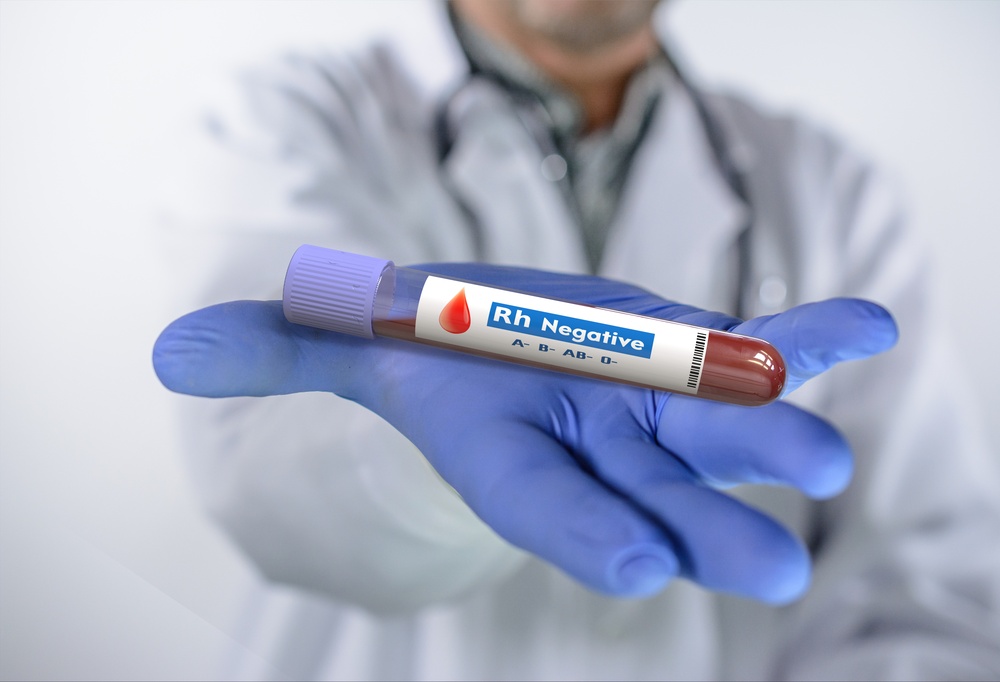
What Makes the MAL Blood Group Different From Common Blood Types?
Most people are familiar with the ABO and Rh systems, which determine whether someone is A positive, B negative, AB positive, O negative, or another common blood type. However, red blood cells carry numerous additional antigens, which are surface markers that can influence how the immune system responds to donated blood. The MAL system concerns one of these lesser-known markers, called AnWj, which is carried by a protein known as Mal.
According to the researchers, more than 99.9% of people are AnWj-positive, meaning their red blood cells express the Mal protein in its full-length form. AnWj-negative individuals lack the marker, although the reasons vary. Some people lose detectable antigen expression because of certain illnesses, including haematological disorders and some cancers, while a much smaller group inherits genetic changes that prevent the protein from appearing normally on their red blood cells.
This difference explains why familiar blood type labels do not tell the entire story. Two people may share the same ABO and Rh classification yet have other blood group differences that affect transfusion compatibility. Most patients will never encounter a problem involving AnWj, but identifying rare exceptions gives medical teams more information when standard blood matching does not provide the answer.
How the Discovery Could Help Prevent Transfusion Reactions
Blood transfusions are used to treat severe blood loss, support patients during surgery, and help people whose medical conditions interfere with healthy blood production. Before donated blood is given, healthcare teams perform compatibility checks to reduce the chance of an immune reaction. ABO and Rh matching are essential parts of this process, but other blood group antigens can also become significant when a patient has developed antibodies against them.
For someone who is AnWj-negative, exposure to AnWj-positive red blood cells can present a risk if the person has antibodies directed against the missing antigen. This is why rare blood group identification matters, particularly for patients who require repeated transfusions or whose blood produces unusual compatibility results. Without an understanding of the underlying antigen, identifying the reason for a reaction can be difficult.
The MAL discovery gives specialists a clearer way to investigate these cases and could support the development of genotyping tests that identify inherited AnWj-negative patients and donors. These tests may help laboratories search for compatible donations and prepare more effectively for patients with rare blood characteristics. The findings do not mean everyone needs additional blood testing, but they offer a valuable new tool for situations in which standard testing is insufficient.
Researchers Used DNA Sequencing to Find the Missing Gene
The research team used whole-exome sequencing, a technique that examines the parts of DNA responsible for encoding proteins. Because inherited AnWj-negative cases are so uncommon, researchers needed a method capable of examining many potential genetic causes rather than relying on an obvious candidate. Their analysis identified deletions affecting both copies of the MAL gene in the inherited cases they investigated, linking these changes to the absence of the Mal protein.

Finding a possible genetic explanation was only the beginning. The scientists also needed to demonstrate that MAL was directly responsible for the AnWj antigen rather than simply being associated with its absence. They introduced the normal MAL gene into developing blood cells and observed the expected antigen-related reactivity, while the mutant gene did not produce the same result. These experiments provided important evidence connecting the gene, its protein, and the blood group marker.
Ash Toye, professor of cell biology at the University of Bristol, explained that the team used its ability to manipulate gene expression in developing blood cells to confirm the antigen’s identity. The work combined genetic sequencing with laboratory experiments to establish a relationship that had remained unexplained for decades. It also demonstrates why rare blood group discoveries can require years of investigation before researchers have enough evidence to establish a new system.
Why Some People Lack the AnWj Antigen
The absence of AnWj can occur through inherited genetic changes or through acquired suppression associated with illness. Understanding which explanation applies to a patient is important because the two situations have different underlying causes. An inherited case involves changes in the MAL gene, whereas illness-related suppression can prevent the antigen from being expressed without the same inherited genetic defect.
The researchers identified five genetically AnWj-negative individuals in their study, including members of an Arab-Israeli family. Their investigation also included a blood sample donated in 2015 by a woman who had been identified as AnWj-negative decades earlier. These rare samples helped the team investigate the inherited form and establish the genetic explanation behind it.
The findings could make it easier to recognize additional inherited cases in the future. Before the discovery, laboratories had limited ways to explain the genetic basis of the missing antigen. Now that the MAL gene has been identified, genetic testing may help distinguish inherited cases from those associated with medical conditions. This distinction can give transfusion specialists more precise information when investigating unusual blood compatibility results.
How Genetic Testing Could Improve Blood Matching
Nicole Thornton, head of the International Blood Group Reference Laboratory’s red cell reference service, explained that the discovery creates an opportunity to develop tests for people who lack AnWj because of inherited genetic changes. “Now genotyping tests can be designed to identify genetically AnWj-negative patients and donors,” she said. Such tests could eventually be added to existing genetic testing platforms used by specialist laboratories.
Genotyping examines DNA for particular genetic variations, allowing researchers and medical professionals to identify inherited characteristics. In this case, testing could help flag people with the relevant MAL gene deletions and support the search for compatible donors. This may be especially useful when a patient has rare antibodies or needs a transfusion that requires more detailed matching than routine testing provides.
However, developing a genetic test does not automatically mean it will become part of every patient’s standard medical screening. Laboratories must establish and validate testing procedures, and clinicians will use them according to the patient’s circumstances. For most people, existing blood typing and compatibility checks remain appropriate. The value of the discovery lies in improving the options available when rare blood group differences create additional challenges.
What You Should Know About Your Own Blood Type
The discovery shows that blood compatibility involves more than the familiar positive and negative labels. Additional antigens can influence how donated red blood cells interact with a recipient’s immune system, although most people will never need specialized investigation into the AnWj antigen. Being AnWj-positive or AnWj-negative is not, by itself, a general measure of someone’s health or fitness.
If you have previously experienced a transfusion reaction or have been told that you possess unusual blood group antibodies, make sure your healthcare team has that information before a future transfusion. Patients receiving repeated transfusions should also keep relevant medical records, particularly when specialist testing has identified compatibility concerns. These details can help clinicians make informed decisions when selecting donated blood.
Eligible blood donors also play an important role in maintaining supplies for patients with uncommon blood characteristics. Specialist laboratories can investigate rare donor profiles when a suitable match is difficult to find. The MAL discovery adds another piece of information that may help these teams identify compatible blood, but it does not mean healthy people need to seek out genetic testing without a medical reason.
A Decades-Old Discovery Could Change Care for Rare Patients
The identification of the MAL blood group system resolves a question that remained open for more than 50 years. Through DNA sequencing and carefully designed laboratory experiments, researchers established the genetic basis of the AnWj antigen and created a foundation for future testing. The achievement also highlights the importance of studying rare patients, whose unusual biological characteristics can reveal information that routine medical research might otherwise miss.
For most people, the discovery will not change their everyday healthcare. For patients with rare blood group characteristics, however, better identification could help specialists make safer transfusion decisions and find compatible donors when ordinary matching is not enough. The next step is to translate the genetic findings into validated testing that laboratories can use to identify these patients more reliably.
Sources:
Tilley, L. A., et al. (2024). Deletions in the MAL gene result in loss of Mal protein, defining the rare inherited AnWj-negative blood group phenotype. Blood, 144(26), 2735–2747. https://doi.org/10.1182/blood.2024025099