
Alan Alda’s first sign of Parkinson’s disease looked nothing like the symptom most people associate with the condition. Before he experienced the familiar tremors or other movement problems, the actor discovered that he was physically acting out his dreams while asleep, including one incident in which he threw a pillow at his wife.
The 90-year-old Emmy winner recently opened up about the unusual experience and explained that the sleep symptom was not widely known when he first experienced it. His story sheds light on REM Sleep Behavior Disorder, a condition that can sometimes appear years before a person is diagnosed with Parkinson’s or another neurological disorder.
Alan Alda’s First Symptom Was Not A Tremor
Alda received his Parkinson’s diagnosis in 2015, although he did not publicly announce it until 2018. When he recently discussed the early stages of his condition, he explained that he did not initially experience several of the symptoms people commonly connect with Parkinson’s disease.
“I had no twitch, no tremor, no problems with my voice,” Alda said during his conversation with CBS News. Instead, he noticed something happening while he slept, and the behavior eventually became an important clue in understanding what was going on.
“I had a symptom, which at the time was not that well-known: acting out your dreams,” Alda explained. The behavior was particularly striking because he was not simply talking or moving slightly in bed; he was physically responding to what was happening in his dreams.
Alda recalled one dream in which he believed someone was attacking him. “I had a dream that somebody was attacking me. And I picked up a sack of potatoes and threw it at ’em,” he said, before explaining that the object was actually a pillow and the person on the receiving end was his wife, Arlene.
What Is REM Sleep Behavior Disorder?

REM Sleep Behavior Disorder, commonly shortened to RBD, occurs during rapid eye movement sleep, the stage of sleep associated with vivid dreaming. During normal REM sleep, the brain sends signals that temporarily prevent most of the body’s skeletal muscles from moving, allowing people to dream without physically carrying out everything happening in the dream.
With RBD, that normal muscle paralysis does not work as expected. A person can then move, kick, punch, shout or make other complex movements while dreaming, sometimes causing injuries to themselves or the person sharing their bed.
The condition can therefore look very different from an ordinary restless night. Someone with RBD may appear to be physically participating in a dream, especially when the behavior involves repeated or forceful movements.
Alda’s experience is a particularly memorable example because his dream involved an apparent attack, followed by a physical response that reached his wife. While the incident may sound unusual, dream enactment can be a genuine sleep disorder that deserves medical attention when it happens repeatedly.
Why RBD Can Be Connected To Parkinson’s
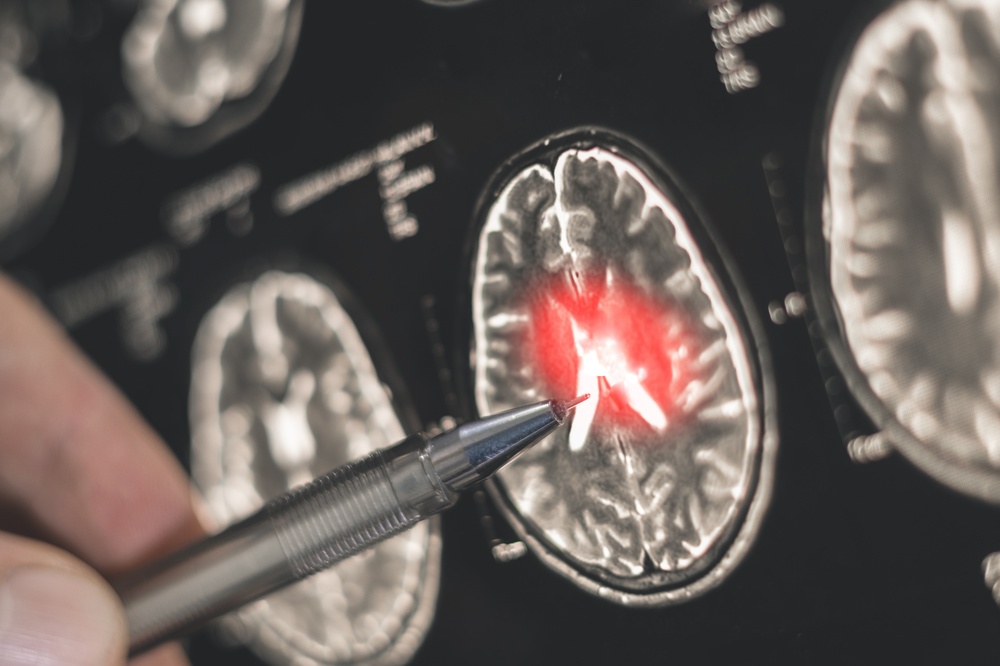
RBD is often associated with Parkinson’s disease and several other neurological conditions. The connection is important because isolated RBD can sometimes develop years before the more recognizable symptoms of a neurodegenerative disorder appear.
That does not mean everyone who acts out dreams will eventually develop Parkinson’s disease. The source material specifically notes that not every person with RBD receives a Parkinson’s diagnosis, and the condition can have different causes.
There are two broad forms described in the material: symptomatic, or secondary, RBD and isolated, or idiopathic, RBD. Secondary RBD can occur because of an underlying cause, while isolated RBD develops without an immediately identified cause.
For people with isolated RBD, however, the long-term association with neurological disease can be significant. One study cited in the source material found that 33% of patients developed a neurodegenerative condition after five years, 76% after 10 years and 91% after 14 years.
Those numbers describe the population examined in that study and should not be treated as an individual prediction. Still, they help explain why doctors can take persistent dream-enactment behavior seriously, particularly when it occurs alongside other neurological changes.
The Sleep Symptom Can Appear Years Earlier
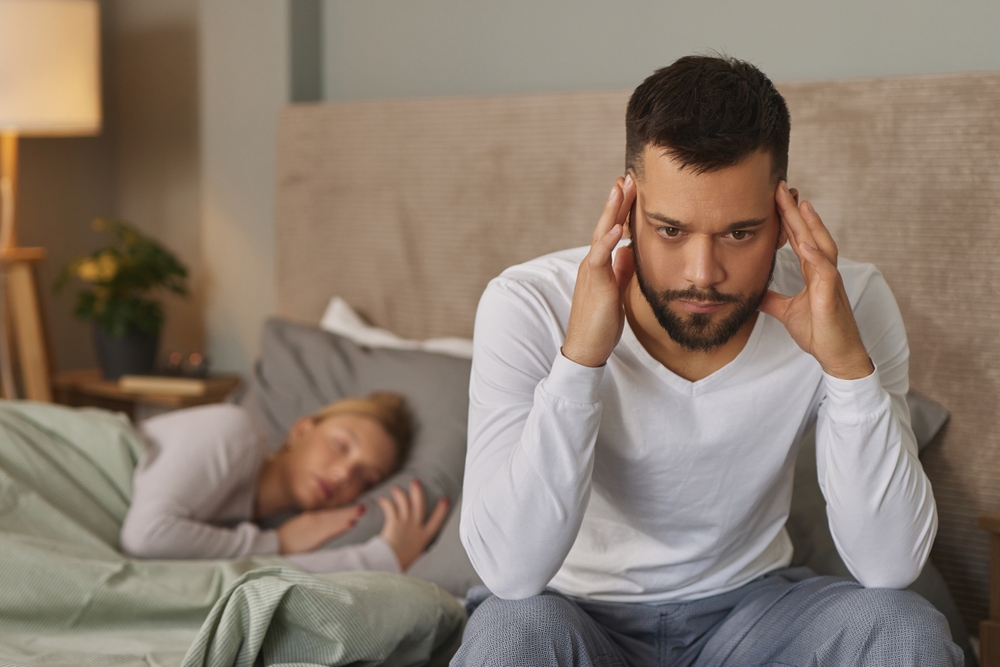
One reason RBD can be important is its timing. Sleep-related symptoms may appear before a person develops more recognizable signs of Parkinson’s disease, meaning a seemingly strange nighttime habit can sometimes precede a diagnosis by years.
Parkinson’s disease is a progressive neurological condition that can affect movement and other aspects of daily life. Tremors, stiffness and slowed movement are among the symptoms commonly associated with the disease, but Alda’s experience shows that the earliest clues can look different from what people expect.
The source material explains that RBD is associated with the buildup of a protein called alpha-synuclein, which can damage areas of the brain involved in controlling muscles. The relationship between RBD and neurodegenerative disease is complex, but the association has made the sleep disorder an important area of medical interest.
Alda was 79 when he first noticed the unusual sleep behavior that ultimately became part of his Parkinson’s story. His experience demonstrates why changes in sleep can be worth mentioning to a healthcare provider rather than automatically being dismissed as an odd habit.
Who Is More Likely To Experience RBD?

RBD can affect different people, but the source material identifies several factors associated with a higher likelihood of developing the condition. It notes that the disorder affects about 2% of the U.S. population over age 50, although the true rate may be higher because the condition can be difficult to diagnose.
The condition is particularly associated with older men, with being a man over 50 identified as one risk factor. Narcolepsy and certain medications, including some newer antidepressants, have also been identified as possible factors associated with RBD.
These associations do not mean that a person with one of these characteristics will develop the disorder. They simply provide context for why healthcare providers may consider a person’s age, medical history and medications when evaluating unusual nighttime behaviors.
The important distinction is between an occasional movement during sleep and repeated, complex dream enactment. A person who regularly punches, kicks, shouts or otherwise acts out vivid dreams may have a reason to discuss those episodes with a healthcare professional.
How Doctors Can Diagnose The Condition

Diagnosing RBD generally involves looking closely at what happens during sleep and ruling out other possible explanations. A healthcare provider may first ask the person and their sleep partner about the movements, vocalizations and dreams that occur during the night.
A polysomnogram, commonly known as an overnight sleep study, can provide additional information. During the test, different aspects of the person’s sleep are monitored, including brain waves, eye movements, heart rate and muscle activity.
The goal is to determine whether the physical behaviors are occurring during REM sleep and whether the pattern fits the criteria for RBD. The source material also notes that an official diagnosis involves ruling out seizures and other medical, mental health or medication-related causes.
That evaluation matters because unusual sleep movements can have several explanations. A person should not assume that acting out a dream automatically means they have RBD or Parkinson’s disease, particularly without a proper assessment.
Making The Bedroom Safer Can Reduce Injuries
When someone regularly acts out dreams, safety becomes an important part of managing the condition. Strong movements can lead to falls, bruises or other injuries, and a bed partner can also be hurt during an episode.
Simple changes to the sleeping environment may reduce those risks. The source material recommends removing sharp or heavy objects from around the bed and creating more distance between the sleeper and nearby furniture or hard surfaces.
Some suggested safety measures include:
- Remove hazards: Sharp and heavy objects should be moved away from the sleeping area to reduce the chance of injury during sudden movements.
- Create a barrier: Pillows can sometimes be positioned between the sleeper and nearby structures, providing an additional layer of protection.
- Consider the mattress position: In some situations, placing a mattress on the floor can reduce the risk associated with falling from bed.
- Discuss appropriate options: A healthcare provider can help determine which safety measures make sense based on the person’s symptoms and sleeping environment.
The goal is not to make someone fearful of going to sleep. Instead, practical changes can make the bedroom safer while the underlying sleep behavior is being evaluated and managed.

What Treatment Options Are Available?
The source material notes that there are currently no FDA-approved medications specifically for RBD. However, studies have found that certain medications, including melatonin, clonazepam and pramipexole, can reduce symptoms in some patients.
Treatment decisions should be individualized because medications can have different effects depending on a person’s age, health history, other medications and underlying conditions. Someone experiencing repeated dream enactment should discuss treatment with a healthcare professional rather than attempting to manage the condition independently.
Safety measures can also form an important part of managing the condition. Even when medication is being considered, reducing hazards around the bed can address one of the immediate concerns associated with physically acting out dreams.
The larger point for people noticing this behavior is that unusual sleep activity deserves attention when it becomes persistent. A healthcare provider can help determine whether further testing is appropriate and whether another condition or medication could be contributing to the symptoms.
Parkinson’s Has Changed Alda’s Everyday Routine
Alda has been open about the ways Parkinson’s affects ordinary parts of his life. He has explained that some tasks that once required little thought can now become frustrating challenges, including using a computer or getting dressed.
He joked that Parkinson’s sometimes interferes while he is trying to write an email. “I’ll be at the computer keyboard writing an email, and Dr. Parkinson is moving my hand all over the screen,” Alda said, explaining that the condition can cause his hand to move the mouse and delete things he needs.
The humor does not mean the experience is always easy for him. Alda has acknowledged that he becomes frustrated and has spoken honestly about needing assistance from his wife, including when buttoning his shirt.
“I do hate it,” he said, referring to the loss of independence that can come with needing help. He then described trying to treat difficult everyday tasks like puzzles, looking for different ways to accomplish something instead of assuming that the first failed attempt is the end of the problem.
Why Humor Has Become Part Of His Coping Strategy
Alda has also explained that humor helps him deal with the frustrations Parkinson’s brings into his daily routine. Rather than pretending the disease is easy, he looks for something he can laugh about when a situation becomes particularly frustrating.
“The best way to deal with anything that’s a little bit of a problem is to find out what’s funny about it and laugh at it,” Alda said. His approach allows him to acknowledge the difficulties without allowing the diagnosis to become his entire identity.
Dr. Chadrick Lane, a neuropsychiatrist and director of the geriatric and neuropsychiatry clinic at UT Southwestern Medical Center, told Fox News Digital that humor can be useful for people living with Parkinson’s, although he has not treated Alda personally.
“Humor involves cognitive reframing, this idea of looking at a circumstance through different angles,” Lane said. He explained that this can change the emotional weight of a difficult situation without changing the underlying reality.
Lane also pointed to the social value of humor. “Humor is often shared. It brings us together,” he said, noting that connection can help people feel less alone while dealing with a health challenge.

Alda Says Acceptance Helps Him Stay Grounded
Alongside humor, Alda has described acceptance as another important part of how he approaches Parkinson’s. He has said that he does not want to spend his life wishing the diagnosis had never happened or imagining a different reality.
“I really think reality is my friend,” Alda said. “I don’t want to wish it away. I can’t wish it away. I can’t hope for a better future. I gotta accept what is.”
That perspective does not erase the frustrations associated with Parkinson’s. Instead, Alda appears to focus his attention on finding workable solutions to the problems he can address in the present.
He has also made a point of separating the disease from his identity. “I don’t let Parkinson’s define me,” Alda said, adding his characteristically humorous description of the condition: “It’s not who I am. It’s just a hobby.”
For someone living with a chronic or progressive condition, that distinction can be meaningful. A diagnosis can influence daily life without becoming the only story a person tells about themselves.
What Alda’s Experience Says About Unusual Sleep Changes
Alda’s experience offers a useful reason to pay attention when sleep behavior changes repeatedly, especially later in life. Physically acting out vivid dreams can have several possible explanations, but persistent episodes can warrant a conversation with a healthcare provider.
RBD does not mean a person will definitely develop Parkinson’s disease. However, because the disorder can be associated with neurological conditions and may appear years before other symptoms, identifying it can give healthcare professionals important information about a person’s health.
Alda’s story also shows why health clues do not always arrive in the form people expect. His early warning sign was not a tremor or difficulty speaking; it was a pillow thrown during a dream.
For anyone experiencing repeated dream enactment, the practical next step is to document what happens and discuss it with a healthcare professional. A strange sleep habit may turn out to be nothing serious, but when it keeps happening, understanding the reason is worth the conversation.