
A supplement taken by millions of people for aching knees and stiff joints has come under scrutiny after researchers found a concerning association with dementia progression. The study focused on people already experiencing mild cognitive impairment and found that those taking glucosamine were more likely to progress to dementia than similar patients who were not taking it.
The findings have attracted attention because glucosamine is widely used as a joint-health supplement, particularly by older adults. But the research comes with an important warning: the study does not prove that glucosamine causes Alzheimer’s disease, and the researchers did not find evidence that healthy people taking the supplement face the same risk.
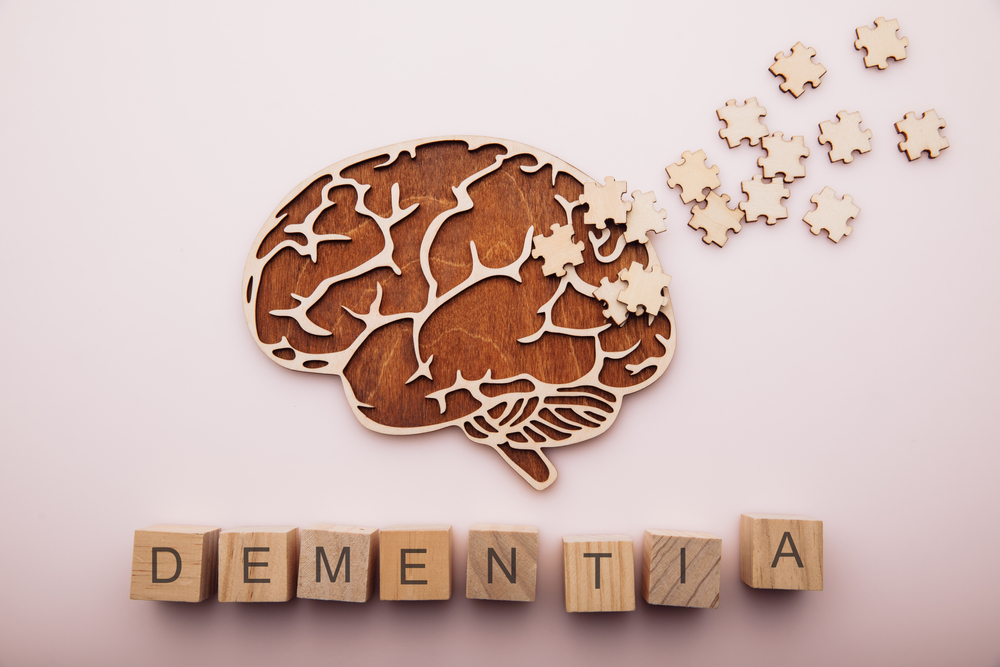
Researchers Found A 25% Increase In Dementia Progression
Researchers at the University of Florida examined medical records involving thousands of people with dementia, including Alzheimer’s disease, as well as people with mild cognitive impairment. They then narrowed their analysis to patients who were taking glucosamine, looking for differences in dementia progression and mortality.
Among people with mild cognitive impairment, those taking glucosamine were 25% more likely to progress to dementia. The supplement did not appear to change their risk of death, although the researchers found a different pattern among people who already had dementia.
Patients with dementia who were taking glucosamine had higher mortality compared with similar non-users. Because the human data came from existing medical records, however, researchers could identify an association without proving that the supplement itself caused the outcomes.
The team then looked beyond patient records. They examined human brain tissue and conducted experiments in mice to investigate whether there was a biological mechanism that could potentially explain the pattern.

The Brain Finding That Caught Researchers’ Attention
The researchers focused on glycosylation, a natural process in which brain cells attach small chains of sugar to proteins. These sugar chains help proteins fold correctly, move to the right location inside cells and interact with other molecules.
Ramon Sun, Ph.D., professor of biochemistry and molecular biology at the University of Florida, explained that the process needs to remain properly regulated. “You can think of these sugar chains as the labels and fittings on a machine part,” Sun said. “They help a protein fold correctly, get shipped to the right place in the cell and connect with its partners.”
Researchers found an excess of these sugar chains on proteins in Alzheimer’s-affected brains. Many of the proteins involved play roles in communication between nerve cells, raising questions about whether excessive glycosylation could interfere with their normal function.
Sun compared the possible effect to putting too much wax on a key. The key remains the same, but the excess material could prevent it from fitting properly into a lock. Glucosamine matters to the researchers because it is one of the materials cells use to produce these sugar chains.

Why Glucosamine Could Be Different In An Alzheimer’s-Affected Brain
Glucosamine is a naturally occurring compound made from a sugar and an amino acid group. It is concentrated in cartilage, where it contributes to larger molecules that help cartilage maintain its strength, elasticity and ability to retain water.
That is why glucosamine supplements are commonly used for joint health. For older adults dealing with aging joints, the supplement can appear to offer a simple way to support mobility and manage everyday joint concerns.
The researchers, however, were interested in what happens when additional glucosamine enters a biological system in which glycosylation may already be running at an unusually high level. Sun described the body’s normal regulation as a kind of checkpoint, while supplemental glucosamine can increase the available material used to make the sugar chains.
That distinction could help explain why the researchers saw different effects depending on the condition of the brain. A process that appears normal in a healthy brain may behave differently when Alzheimer’s-related biological changes are already present.
Mouse Experiments Produced Another Warning Sign
The researchers tested glucosamine in mice to see whether it affected healthy brains and brains with Alzheimer’s-like disease in the same way. The results differed sharply between the two groups, adding another layer to the findings from the human records.
“In our experiments, normal mice given glucosamine showed no increase in these sugar chains and no change in a memory test,” Sun said. The researchers therefore did not see the same concerning pattern in mice without Alzheimer’s-like disease.
The Alzheimer’s-like mice produced a different result. According to the researchers, glucosamine increased the sugar chains further in those animals, where the underlying production process was already elevated.
The animals also performed worse on a memory test. “But in mice with Alzheimer’s-like disease, where the production line was already running too hot, glucosamine increased the sugar chains further and worsened performance on a memory test,” Sun said.

The Study Has Major Limitations
The most important limitation is that the human research was observational. Researchers looked back at existing medical records rather than randomly assigning patients to take glucosamine or a placebo and then following them over time.
That means the study can identify a connection without determining whether glucosamine was responsible for dementia progression. People who take glucosamine may differ from people who do not take it in other ways that could influence their health outcomes.
For example, glucosamine users may have differences in arthritis, pain, mobility, frailty or medication use. The medical records also may not have captured every supplement a patient was taking, making it difficult to establish exactly how much glucosamine individuals consumed or how consistently they used it.
“Health records tell us what was documented, not everything a person took,” Sun said. “Over-the-counter supplements are not always recorded, and records don’t reliably capture dose, brand or how consistently someone took it.”
Researchers Say The Findings Are A Safety Signal
Neil Levin, senior nutrition education manager at NOW, noted that the findings should not be interpreted as proof that glucosamine causes Alzheimer’s disease. The limitations of the medical-record data leave open the possibility that other factors contributed to the association.
“The finding should therefore be treated as a safety signal that warrants controlled human research, but it did not, could not, reach a conclusion that glucosamine causes Alzheimer’s disease,” Levin said.
The researchers are calling for a well-designed, double-blind clinical trial to examine the question more directly. Such a study could control the dose and duration of glucosamine use while comparing cognitive outcomes between people receiving the supplement and those receiving a placebo.
That type of research would be needed before scientists could determine whether the association represents a genuine effect of glucosamine or something else about the patients who were taking it.
Healthy People Were Not Shown To Face The Same Risk
One point is particularly important for people who currently take glucosamine. The study did not examine cognitively healthy people to determine whether the supplement increases their chances of developing Alzheimer’s disease.
The findings instead involved people with mild cognitive impairment and people who already had dementia. That means the research cannot be used to claim that glucosamine is dangerous for every person who takes it for joint health.
The researchers also found different results in their mouse experiments depending on whether the animals had Alzheimer’s-like disease. Healthy mice did not show an increase in the sugar chains or a change in memory performance after receiving glucosamine.
“A brain affected by dementia and a healthy brain are different biological environments, and we shouldn’t assume a supplement behaves the same way in both,” Sun said. That distinction is central to interpreting the study without turning an early research signal into a blanket warning about the supplement.
What People Taking Glucosamine Should Know
The findings do not establish that people with healthy cognition need to stop taking glucosamine. They also do not show that the supplement causes Alzheimer’s disease. What they do provide is a reason for researchers to investigate the potential relationship more closely in people who already have cognitive impairment.
For people with mild cognitive impairment or dementia who currently take glucosamine, discussing the supplement with a doctor may be appropriate before making changes. That is especially relevant when a person takes several medications or supplements, because the complete picture of their treatment matters.
The study also reinforces a broader point about supplements: being widely available does not mean every possible effect has been completely understood. Researchers still need controlled human evidence to determine whether glucosamine has any direct effect on cognitive decline.
For now, the evidence stops short of proving a cause. The next clinical trial could determine whether this unusual connection is a genuine warning or simply a pattern hidden inside complicated patient data.