For Hiyab and Wuhbto, ordinary childhood activities once came with extraordinary medical challenges. The sisters were born in Ethiopia as craniopagus twins, joined at the head and facing opposite directions, before traveling thousands of miles for a surgical procedure that would take more than 24 hours to complete.
In February, surgeons at SSM Health Cardinal Glennon Children’s Hospital in St. Louis successfully separated the two girls after roughly a year of preparation and multiple procedures. Months later, they remain in medical care and rehabilitation, where doctors are helping them learn skills that were difficult or impossible while they were conjoined.
The Twins Were Facing An Extremely Rare Condition
Hiyab and Wuhbto were born with a condition known as craniopagus, meaning the twins were conjoined at the head. According to information cited by the hospital from the National Library of Medicine, twins joined at the head occur in approximately one out of every 2.5 million live births and account for less than 6% of conjoined twin cases.
The rarity of the condition makes separation surgery an extraordinary medical undertaking. The hospital said only 62 separation attempts involving craniopagus twins have been documented worldwide, placing Hiyab and Wuhbto’s procedure among a very small group of operations attempted by surgical teams.
The sisters were born in Ethiopia and traveled to St. Louis in March 2025, shortly before their first birthday. Their journey involved not only the medical team preparing for surgery, but also international organizations and caregivers who helped coordinate their travel, housing, guardianship and ongoing care.
Their final separation was therefore not the result of one operation planned in isolation. It followed months of medical preparation designed to give surgeons the best possible opportunity to separate the girls while protecting both children.
Doctors Spent Months Preparing For The Final Operation

The surgical team could not simply separate the twins in one procedure. Their shared anatomy meant doctors first needed to understand how blood vessels and other structures connected the girls and then gradually prepare their bodies for the eventual operation.
Dr. Joanna Kemp, a pediatric neurosurgeon at SSM Health Cardinal Glennon Children’s Hospital, said the team spent about a year preparing the twins for their final separation. “Over the course of a year, we spent time in about six or so surgeries preparing them for final separation, which we were finally able to achieve in February of this year,” Kemp said.
Those staged procedures helped surgeons gradually address the complex anatomical challenges involved in the separation. The hospital said doctors worked to disentangle shared blood vessels while also expanding skin tissue, with the goal of maintaining critical blood flow to both brains.
The preparation required extensive planning and coordination between specialties. According to the supplied references, the hospital said more than 300 hours were dedicated to planning and strategy meetings, while more than 30 surgical staff members participated on the day of the final operation.
That preparation illustrates why the final 24-hour surgery represented only one part of the twins’ treatment. The operation itself was the culmination of months of work involving pediatric neurosurgery, plastic surgery, intensive care and other specialties.
The Final Separation Took More Than 24 Hours

The definitive operation began on the morning of February 24 and continued into the early hours of February 25. From preparation through the procedure and recovery, the surgery lasted more than 24 hours, making it a demanding undertaking even before the long rehabilitation process began.
SSM Health described the procedure as one of the most complex and rare pediatric operations performed in the United States. The hospital also said it was only the second craniopagus separation surgery performed in the St. Louis area, with the previous procedure taking place in the 1980s.
Kemp led the surgical team and became the first woman neurosurgeon in American history to complete a craniopagus twin separation, according to the supplied reference material. She placed the achievement in the context of how rarely these procedures occur and how few women are represented among board-certified neurosurgeons.
“Only about 8% to 10% of board-certified neurosurgeons are women, and these cases only happen maybe once a year worldwide,” Kemp said. “So, it was kind of two rare things meeting each other.”
The operation required sustained coordination because every stage had consequences for both girls. Surgeons were working toward two separate outcomes at the same time, with the safety of each child depending on careful decisions throughout the procedure.
Separation Was Only The Beginning Of Their Recovery

When the surgery ended successfully, Hiyab and Wuhbto still faced an extensive medical journey. They moved into recovery, intensive medical care and rehabilitation, where specialists could begin addressing the physical and developmental challenges that followed such a complicated operation.
The girls are receiving rehabilitative services at Ranken Jordan Pediatric Bridge Hospital in Missouri. The facility provides care for children who can leave traditional hospital settings but still require significant medical treatment and therapy before they can return home.
Dr. Nick Holekamp, Ranken Jordan’s chief health transformation officer, described the changes that the girls are now able to experience. “They are now able to participate in individually focused therapies to do the activities of daily living that they could not do while conjoined,” Holekamp said.
Their rehabilitation includes work on sitting upright, standing and eventually walking, along with eating and speaking. The girls are also working on social interaction and play, including opportunities to spend time with one another as separate children.
For most toddlers, these activities are ordinary parts of growing up. For Hiyab and Wuhbto, they have become specific rehabilitation goals requiring support from a multidisciplinary medical team.
Their Daily Routine Now Includes New Possibilities
The hospital said the girls are beginning to take advantage of what their separation has made possible. Their therapy is individually focused, allowing specialists to work with each child according to her own medical and developmental needs.
Their current rehabilitation includes several areas of development:
- Movement and mobility: Therapists are helping the girls work toward sitting independently and eventually standing and walking, abilities that were difficult to pursue while they were conjoined.
- Eating and speaking: Their care includes therapy designed to support eating and communication as their recovery continues.
- Daily living skills: Specialists are working with the girls on activities that allow them to become increasingly involved in their own everyday routines.
- Social development: The sisters can participate in activities with other children, giving them opportunities to interact and play in ways that were previously restricted.
- Individualized care: Each girl can now receive therapy focused on her own needs rather than having every activity shaped around their shared physical connection.
Holekamp said the twins are still in the middle of an extensive medical journey, but their current progress is moving toward the possibility of more independent lives. That outcome cannot yet be guaranteed, because doctors have said it is too early to know exactly how their long-term development will unfold.
The Girls Still Need Additional Surgery
Successful separation did not mark the end of Hiyab and Wuhbto’s treatment. Both girls have required continued medical care, and their skulls need reconstruction following the separation procedure.
Wuhbto recently underwent a successful cranioplasty, an operation used to complete the repair of her skull. Hiyab is preparing for her own cranioplasty, which the hospital said is planned for later this fall.
These procedures form another important stage in their recovery. The twins’ medical teams must continue monitoring their progress while helping them adapt to life after separation.
Kemp has emphasized that doctors cannot yet predict the girls’ exact long-term developmental outcomes. “It is still too soon to know exactly what their long-term development will look like,” she said.
That uncertainty is important because a successful operation does not automatically tell doctors how two young children will develop over the years that follow. Their progress will depend on continued medical treatment, rehabilitation and individual development.
The hospital has nevertheless reported encouraging progress so far. Kemp said the medical team has been pleased with how well the girls have done following the complex procedures and plans to continue supporting them through the next stages of care.

Their Journey Required A Global Network Of Support
Although the final operation took place in Missouri, the girls’ treatment involved organizations and people across several countries. Their journey from Ethiopia to the United States required medical planning alongside international coordination and practical support.
World Pediatrics played a major role in coordinating guardianship and consent, patient and family advocacy, international arrangements and the volunteer caregiver network. Lola Children’s Home, which cared for the girls in Ethiopia, remained part of their broader support system.
Ronald McDonald House Charities provided lodging and hospitality for the twins’ guardian. Ethiopian Airlines helped arrange specialized transportation so the girls could make the international journey to St. Louis.
SSM Health Cardinal Glennon Children’s Hospital performed the separation surgery, while Ranken Jordan provided care before surgery and continues to provide rehabilitation and complex therapeutic support.
The hospital said more than 60 clinical team members and multiple partner organizations have been involved in the twins’ care. The network demonstrates how a rare pediatric operation can require resources extending well beyond the operating room.
Dr. Andrew J. White, chief medical officer at SSM Health Cardinal Glennon Children’s Hospital, described collaboration as one of the foundations of the procedure. “Partnership, collaboration and expertise were the building blocks of this incredible feat,” White said.
He explained that successful separation requires coordination across numerous specialties and partner institutions. Every stage of treatment had to be planned around the goal of giving both girls the best possible opportunity following separation.
Their Story Began Before They Ever Reached St. Louis
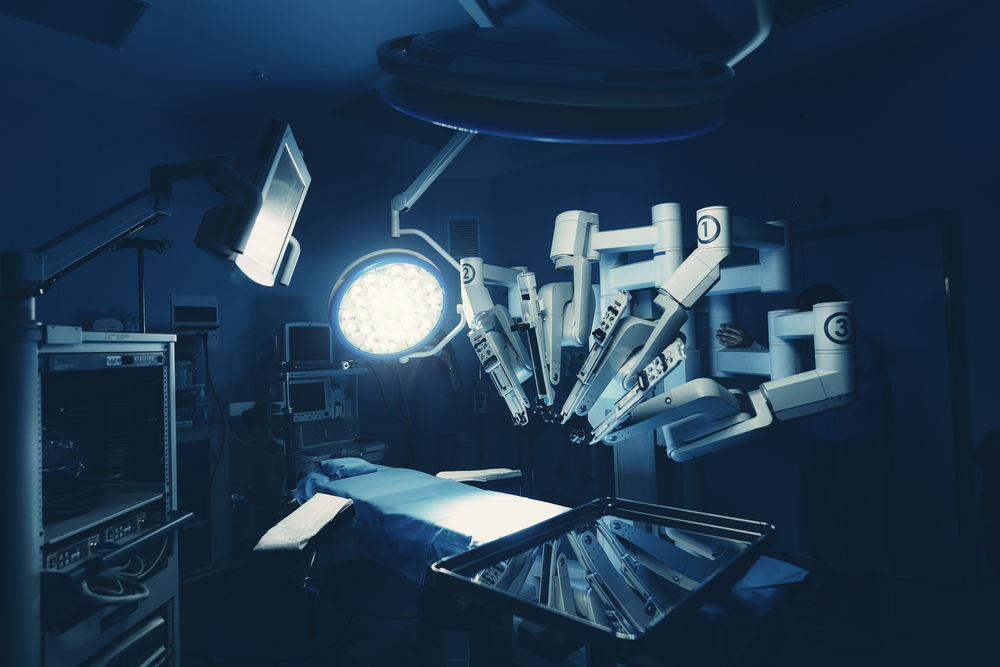
The girls’ arrival in Missouri marked the beginning of a long preparation period rather than an immediate operation. Their medical team spent months evaluating their condition, planning procedures and preparing for the risks associated with separating two children who had developed together from birth.
The staged surgeries were particularly important because surgeons needed to address shared blood vessels and prepare additional tissue before attempting the final separation. The hospital’s account makes clear that the operation depended on a sequence of carefully coordinated steps.
Their circumstances also meant that the girls required a stable network of caregivers throughout the process. Their biological parents were unable to travel to the United States because of visa complications and social circumstances described in the supplied reporting, so other caregivers helped provide day-to-day support.
The World Pediatrics network and other caregivers helped look after the sisters throughout their treatment. Their support included practical responsibilities such as holding, rocking and advocating for the children while the medical teams focused on their treatment.
That care continued after the surgery. Rehabilitation requires sustained involvement because the girls are now learning how to use their bodies independently while also recovering from a series of major procedures.
Their Second Birthday Came Just Weeks After Surgery
Hiyab and Wuhbto celebrated their second birthdays in March, only weeks after their separation. This time, the sisters were resting in two separate hospital beds, marking a simple but significant change from the circumstances in which they had spent their first two years.
The birthday itself was not the end of their medical journey. Both girls still required intensive care and rehabilitation, and Wuhbto subsequently underwent her cranioplasty while Hiyab prepared for her own skull reconstruction.
Still, the moment offered a clear picture of what the surgery had changed. The sisters could begin developing separately while continuing to grow up alongside each other.
Their doctors have been careful not to predict too much about the future. The long-term effects of such a rare procedure cannot be known immediately, particularly while the children are still recovering and developing.
What can be observed now is more practical. The girls are participating in therapy, working on movement and communication, interacting with other children and beginning to experience activities that were previously unavailable to them.

The Next Milestones Will Be Measured In Everyday Things
For Hiyab and Wuhbto, the next stage will be less about one dramatic medical event and more about gradual progress. Their care teams will continue working with them through rehabilitation while monitoring their recovery and preparing for the remaining procedures.
Hiyab’s planned cranioplasty will be another major step, following Wuhbto’s successful skull reconstruction. The sisters will also continue therapy focused on mobility, communication, eating, social interaction and everyday independence.
Those goals may sound modest compared with a 24-hour separation surgery, but they represent the practical purpose of the operation. The medical team was working to give each child the opportunity to develop as an individual.
Holekamp said the girls are making progress toward one day pursuing independent lives, although they remain in the middle of an extensive medical journey. The doctors involved have stressed that their long-term development remains uncertain, making continued rehabilitation especially important.
For now, their story is measured through the things they can begin doing separately. Sitting upright, learning to speak, eating, playing and eventually walking are no longer simply distant possibilities.
They are the next steps.
A New Chapter Is Taking Shape For Hiyab And Wuhbto
The separation of Hiyab and Wuhbto was completed after more than 24 hours in surgery, but the most meaningful part of their story is now happening outside the operating room. Their rehabilitation is giving doctors a chance to see how each girl develops as an individual while continuing to address the medical challenges left by the procedure.
There are no guarantees about exactly what their future will look like, and their doctors have been clear about that uncertainty. What has changed is the range of possibilities available to them.
Two little girls who once shared a physical connection that shaped nearly every part of their daily lives are now learning how to sit, communicate, play and move as individuals. Their next milestones may look ordinary, but for Hiyab and Wuhbto, ordinary is a remarkable place to begin.