Human beings are wired for touch. From the moment we are born, skin-to-skin contact becomes our first language, a silent but powerful form of communication that reassures us we are safe, connected, and loved. Across cultures and centuries, the hug has remained one of the simplest yet most profound gestures, transcending words and bridging emotional divides. What might seem like nothing more than an affectionate squeeze is, in truth, a biological trigger that activates pathways in the brain and body, leading to measurable benefits for health and well-being. Emerging science shows that hugs do more than provide comfort. They strengthen the immune system, protect against stress, and may even reduce the risk of illness.
In recent years, researchers have explored how oxytocin, the so-called “cuddle hormone,” along with endorphins and other neurochemicals, orchestrates a symphony of healing effects whenever two people embrace. Studies have linked hugs to lower blood pressure, reduced cortisol (the stress hormone), better heart health, and increased resilience during difficult times. In the age of social distancing and pandemic-related isolation, the absence of hugs has reminded us just how essential this simple gesture truly is. Far from being a frivolous luxury, physical affection is as vital to human health as proper nutrition, sleep, and exercise. Let’s dive into the science and spirituality of hugging, uncovering why people who hug often not only feel better but also are better protected inside and out.
Why Hugs Matter
When we think about survival needs, food, water, and shelter usually top the list. Yet psychologists and neuroscientists argue that human connection belongs alongside these essentials. Hugging goes beyond a cultural gesture of greeting or affection. It has roots in evolutionary biology. Primates, our closest relatives, engage in grooming not only to keep clean but to bond socially and reinforce trust. In much the same way, human beings hug to maintain and deepen emotional ties, creating invisible threads of connection that help us thrive as social animals.
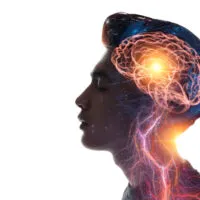
The neurological underpinnings of hugging begin with specialized receptors in the skin, particularly the C-tactile afferent nerves. These receptors are tuned to gentle pressure and stroking touch, signaling the brain that the body is safe and cared for.

Once activated, they send messages to the limbic system, the emotional center of the brain which responds by releasing oxytocin, dopamine, and serotonin. This cascade of chemicals does more than make us feel good. It directly changes the body’s physiology. Heart rate slows, blood pressure drops, and the sympathetic nervous system which one responsible for fight-or-flight shifts into a calmer state.
Hugs also influence the hypothalamic-pituitary-adrenal (HPA) axis, the body’s central stress response system. Chronic stress keeps the HPA axis overactive, leading to suppressed immunity and increased vulnerability to disease. By lowering cortisol, hugs effectively “turn down the volume” on stress, allowing the immune system to function more efficiently. One study found that people who received regular hugs were less likely to fall ill after being exposed to the common cold virus. Those who did get sick reported milder symptoms compared to individuals who lacked this form of social support.
Hugging and the Immune System

The claim that people who often hug have stronger immune systems is not just poetic; it is backed by biology. Stress, as countless studies show, is one of the greatest saboteurs of immunity. When cortisol levels remain high for too long, immune cells become less responsive, inflammation increases, and the body’s defenses weaken. This is why individuals under chronic stress are more prone to infections, colds, and even more serious conditions. Hugs act as a protective shield by lowering stress, balancing hormonal responses, and maintaining immune resilience.
Beyond stress reduction, hugging may directly stimulate immune-related processes. Pressure on the sternum during an embrace has been suggested to activate the thymus gland, an organ critical in the development of T-cells, white blood cells that fight infection. While the thymus naturally shrinks after puberty, tactile stimulation in the chest area could still play a role in boosting immune awareness. For children, who are still developing their immune systems, hugs are even more crucial. Frequent physical affection from caregivers not only nurtures emotional security but also sets the foundation for a robust immune response later in life.
Researchers have even experimented with exposing volunteers to respiratory viruses under controlled quarantine conditions. The results revealed that individuals who reported higher levels of physical affection, particularly hugging, were less likely to catch the illness. Those who did fall sick showed fewer symptoms and recovered faster. The explanation lies in both psychology and biology: social support reduces perceived stress, which in turn strengthens the body’s natural defenses. The hug, therefore, is more than comfort and is immunological armor.
Spiritual traditions have long hinted at this truth. Ancient wisdom often emphasized that human beings thrive not in isolation but in connection. The immune system, in this sense, can be seen not just as a biological network of cells but as a reflection of our deeper need for belonging. To hug is to remind the body that it is not alone, which may explain why this simple act carries such profound health effects.
Oxytocin, Endorphins, and Beyond

The moment arms wrap around another body, an entire hormonal orchestra begins to play. At the center of this symphony is oxytocin, the neuropeptide responsible for feelings of love, bonding, and trust. Often called the “cuddle hormone” or “love hormone,” oxytocin is released during hugs, intimate touch, childbirth, and breastfeeding. It is nature’s way of reinforcing connection, ensuring that relationships whether between partners, parents and children, or friends remain strong and resilient.
Oxytocin also carries physical health benefits. It has been shown to lower blood pressure, reduce inflammation, and improve wound healing. In women, higher oxytocin levels have been linked with reduced cardiovascular risk, while in men, it supports social bonding and stress regulation. The act of hugging is one of the simplest, most accessible ways to trigger oxytocin release, creating a ripple effect throughout the body.
Alongside oxytocin, hugs also stimulate endorphins, the brain’s natural painkillers. These opioid-like chemicals are thirty times more potent than morphine, capable of easing headaches, soothing muscle aches, and elevating mood. This is why a heartfelt hug can sometimes relieve discomfort better than any pill. Add dopamine and serotonin, the neurotransmitters of pleasure and happiness to the mix, and the hug becomes a cocktail of neurochemical healing.
The duration of a hug matters as well. While quick embraces are beneficial, research suggests that hugs lasting at least 20 seconds are most effective in stimulating oxytocin and endorphin release. Long, intentional hugs act as a slow-release medicine, prolonging the sense of safety and connection. Even shorter hugs, however, contribute to daily emotional balance, reinforcing the notion that small, frequent doses of affection are better than rare grand gestures.
Hugs as Emotional First Aid

Hugs do more than regulate body chemistry. They act as emotional first aid in times of distress. When life becomes overwhelming, a hug can instantly calm the nervous system, reduce anxiety, and provide reassurance that words often fail to deliver. This is not accidental, it is how our brains evolved to cope with fear and uncertainty. Touch signals the brain that the environment is secure, making it easier to process challenges without succumbing to panic.
Psychologists have observed that people who regularly receive hugs tend to report higher emotional stability, lower levels of depression, and greater life satisfaction. In studies of couples, women who received more hugs from their partners not only showed higher oxytocin levels but also lower blood pressure during stressful tasks. Among the elderly, structured programs encouraging daily hugs led to improved energy, better sleep quality, and reduced loneliness. In children, physical affection has been linked to increased resilience and better cognitive development.
Importantly, hugs function as a universal language. They bridge divides of culture, age, and language, communicating support and empathy when words may be inadequate. A hug after conflict, for instance, has been shown to reduce lingering negative emotions, acting as a buffer against stress. This suggests that hugs are not just passive gestures of comfort but active tools for conflict resolution and emotional repair.
In spiritual terms, hugging aligns with the concept of shared energy fields. Many traditions speak of the human aura or heart-centered energy that expands when two people embrace. Science interprets this through hormonal and neurological mechanisms, but the felt experience can be described as soul-level healing. A hug, therefore, is both a physical intervention and a spiritual exchange, reinforcing the unity of mind, body, and spirit.
How Many Hugs Do We Really Need?

The late family therapist Virginia Satir famously declared: “We need 4 hugs a day for survival. We need 8 hugs a day for maintenance. We need 12 hugs a day for growth.” While not a strict scientific formula, her words capture an important truth: hugging is not an occasional luxury but a daily necessity. Research suggests that around ten meaningful hugs per day, totaling about eight minutes of contact are enough to trigger the full spectrum of psychological and physiological benefits.
The key word here is meaningful. A perfunctory pat on the back may not carry the same weight as a long, intentional embrace where both parties are present. Duration matters, but so does authenticity. A 20-second hug with a loved one can recalibrate stress hormones and promote bonding in ways that a fleeting brush of contact cannot.
Of course, not everyone has equal access to daily hugs, especially in times of social distancing. Creative alternatives, such as hugging pets, using body pillows, or practicing self-hugging, can still stimulate the tactile receptors and provide comfort. While these substitutes may not fully replicate the neurochemical effects of human embrace, they demonstrate how adaptable our need for touch truly is. Technology also plays a role, video calls and virtual presence cannot replace touch but do help sustain emotional connection, reminding us that belonging can take many forms.
Embracing Health, Embracing Each Other
The evidence is clear: people who often hug truly do have stronger immune systems, healthier hearts, and calmer minds. What might seem like a simple gesture is, in reality, a profound biological event: a recalibration of the nervous system, a fortification of immune defenses, and a soothing balm for the human spirit. Hugging is both ancient and modern, rooted in evolutionary biology yet validated by contemporary neuroscience. It is an act of love and a form of medicine, as essential to well-being as any prescription.
In a world increasingly fragmented by stress, technology, and isolation, hugs remind us of our shared humanity. They dissolve barriers, heal rifts, and affirm that we are not alone. Whether offered in joy, comfort, or solidarity, a hug delivers both science and spirit: chemicals that heal the body and energy that nourishes the soul.
The next time you reach out for a hug, remember you are not just sharing affection. You are exchanging medicine, strengthening both your own body and the one you embrace. In a very real sense, every hug is an act of healing. And perhaps, in this era of uncertainty, that healing is exactly what the world needs most.