Most of us associate vaccine side effects with a sore arm or temporary fatigue, but new data suggests the impact may go much deeper than a day of feeling under the weather. A concerning study has identified a link between the Pfizer-BioNTech shot and structural changes inside the human eye, specifically targeting the cornea’s non-regenerative cells. This discovery adds a new layer of complexity to the safety discussion, prompting experts to look closer at how systemic immune responses might be silently altering the delicate mechanisms of our vision.
Measuring the Vaccine’s Impact on Eye Tissue
A recent study published in the journal Ophthalmic Epidemiology uncovered a connection between the Pfizer-BioNTech COVID-19 vaccine and physical alterations in the eye. Researchers in Turkey analyzed the corneas of 64 participants before they received their first dose and again roughly two months after their second dose. The investigation focused specifically on the endothelium, the cornea’s innermost layer responsible for maintaining fluid balance and clarity.
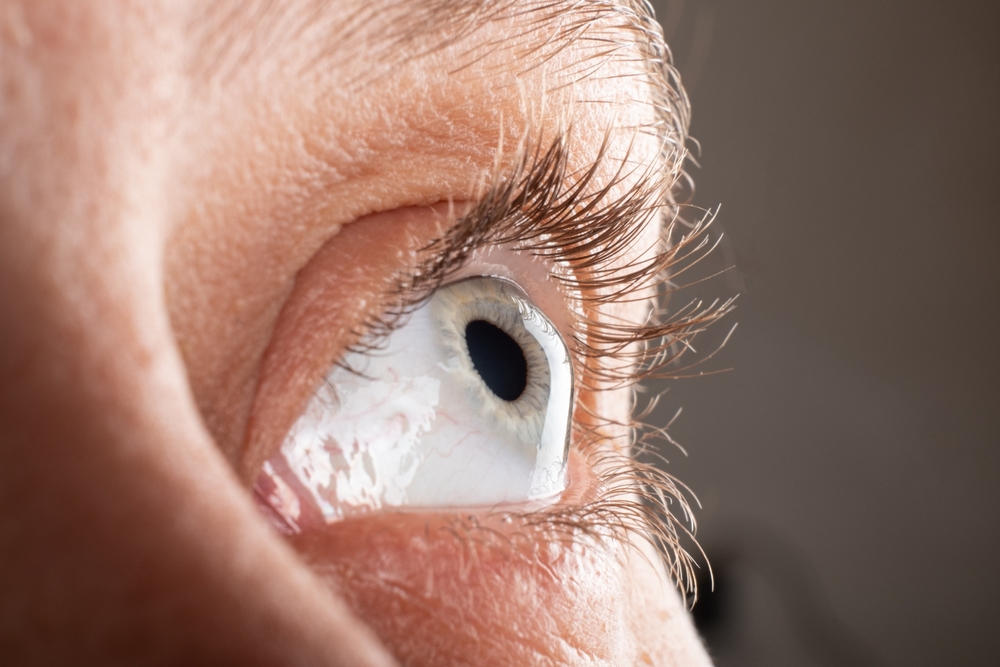
The findings revealed that the vaccine led to a thickening of the cornea and a concurrent reduction in endothelial cells. The data showed the average corneal thickness rose from 528 to 542 micrometers, marking a roughly two percent increase. More significantly, the density of endothelial cells dropped by approximately eight percent, falling from an average of 2,597 to 2,378 cells per square millimeter.
While these post-vaccination numbers generally remain within the safe range for healthy adults, the physical stress on the eye is evident. The study noted that the cells became less uniform in size and fewer cells retained their ideal hexagonal shape. Although the participants did not report immediate vision loss during the observation period, the data indicates that the vaccine causes measurable shifts in the structural integrity of the cornea in the short term.
Why These Changes Matter for Vulnerable Eyes
The primary concern regarding these findings lies in the specific nature of endothelial cells. These cells are essential for keeping the cornea clear by actively pumping out excess fluid, and crucially, they do not regenerate. Once these cells are lost, the body cannot replace them. For individuals with healthy eyes and high cell counts, the reduction observed in the study generally falls within a safe margin and does not immediately compromise vision.
However, the risks increase significantly for those with compromised ocular health. A drop in cell density can be dangerous for patients who already have a low endothelial count due to aging, prior eye injuries, or specific diseases like Fuchs’ dystrophy. The study authors explicitly warned that “the endothelium should be closely monitored in those with a low endothelial count or who have had a corneal graft.”
If the observed thickening and cell loss persist or worsen over time, it could lead to serious complications. Persistent inflammation or fluid buildup may result in conditions such as corneal edema (swelling), bullous keratopathy, or corneal decompensation. In severe cases, these conditions can cause permanent vision loss if left untreated. While the study suggests these changes might be temporary reactions to immune stress, the potential for long-term damage makes monitoring essential for high-risk patients.
How the Science Connects to the Bigger Picture

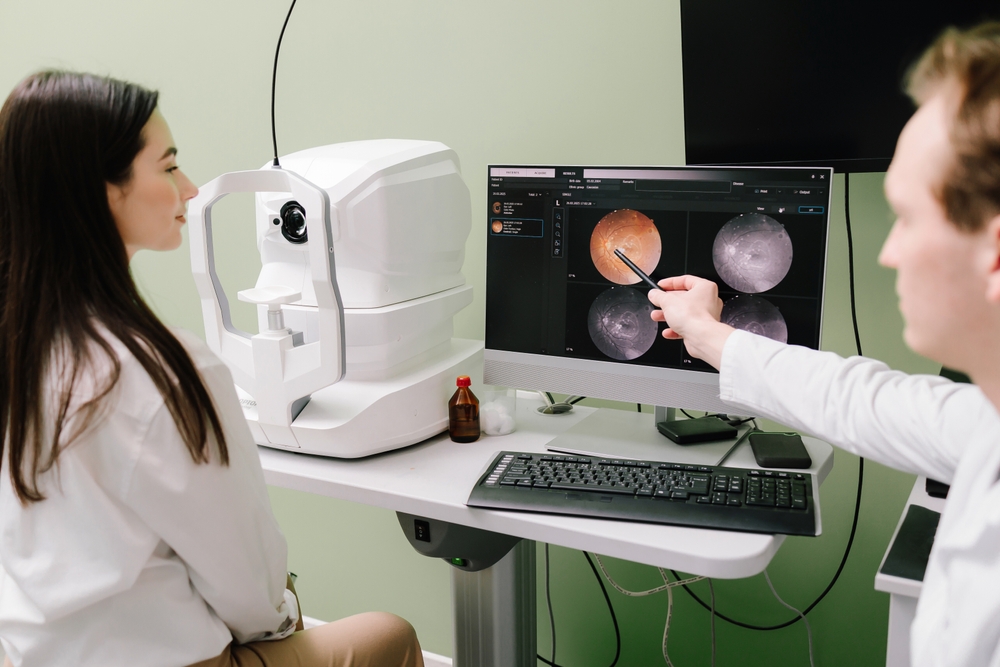
To reach these conclusions, the research team used high-precision imaging technology to look deep inside the eye. They studied 64 people, examining both eyes for a total of 128 data points. The doctors took measurements before the first shot and followed up about two and a half months after the second dose. Using specialized microscopes, they mapped the thickness of the cornea and took detailed photos to count the individual cells and check their shapes.
The researchers confirmed these changes were likely a direct result of the vaccine rather than random chance or a testing error. The data suggests the body is reacting to stress or inflammation. This mirrors what scientists have observed in other parts of the body. For example, the FDA previously required Pfizer and Moderna to add warnings about heart inflammation, known as myocarditis, particularly in younger men.
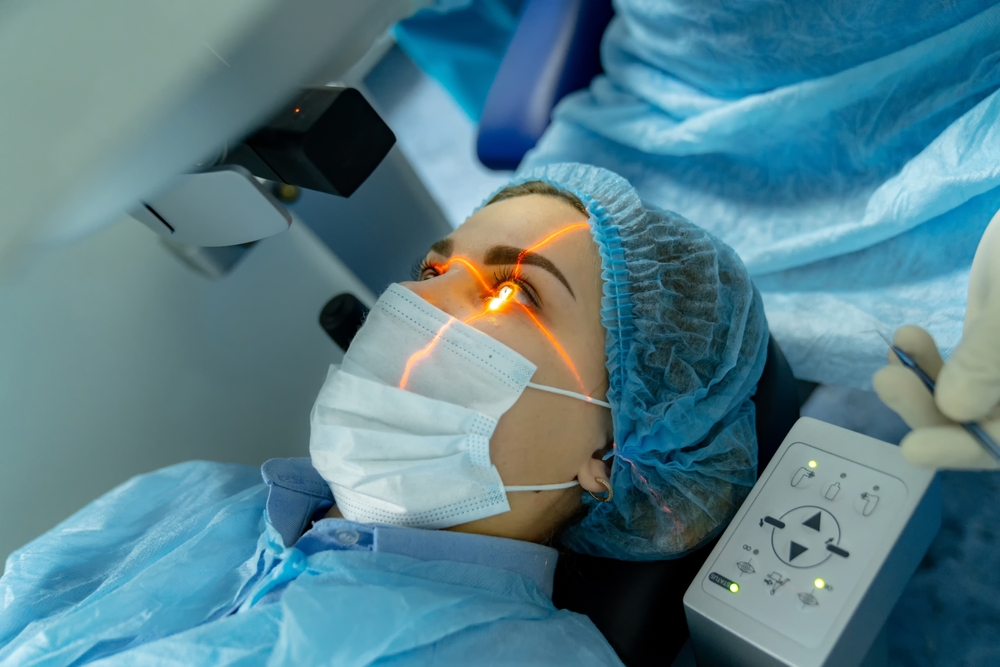
Just as the heart muscle can experience rare inflammatory responses to the shot, this study indicates the delicate tissue in our eyes might react similarly. While the researchers do not advise against vaccination, this data helps medical professionals understand the full range of how our bodies interact with these treatments. It serves as a reminder that “safe” generally means “low risk,” not “zero risk,” especially for biological systems as sensitive as the eye.
Key Steps for Protecting Your Vision
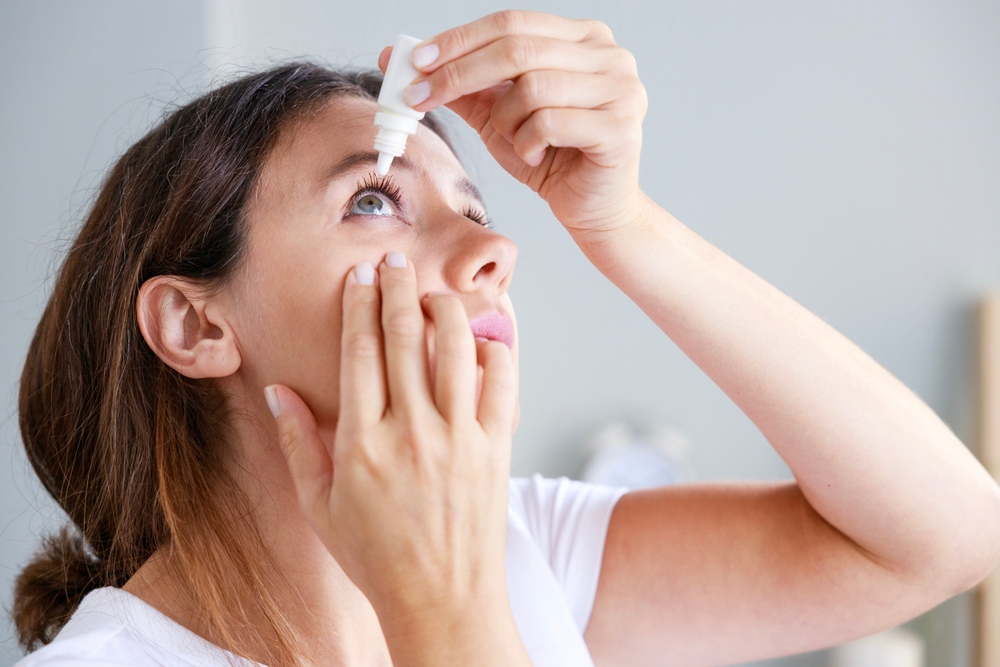
While the study suggests that healthy eyes can generally withstand these temporary stress responses, proactive monitoring is the best way to preserve your vision. Here are practical steps to ensure your eyes remain healthy:
- Monitor for warning signs: Pay close attention to persistent blurry vision, eye discomfort, or a sensation of cloudiness. Do not dismiss these symptoms simply as fatigue, allergies, or digital eye strain, especially if they appear shortly after vaccination.
- Know your risk profile: Individuals with a history of eye surgeries, specifically corneal transplants, or conditions like Fuchs’ dystrophy are at higher risk. Since endothelial cells do not grow back, protecting the remaining cells is crucial for anyone with a compromised baseline.
- Request specific tests: Standard eye exams often focus on vision sharpness or pressure but might miss cellular level changes. Ask an ophthalmologist for a specular microscopy exam. This non-invasive test specifically counts endothelial cells and checks their shape to ensure they remain healthy.
- Understand the numbers: A healthy adult typically has a cell count between 2,000 and 3,000 cells per square millimeter. Knowing your specific numbers helps you and your doctor track any significant drops that might require medical intervention before permanent damage occurs.
Your Eyes, Your Advocacy
This study proves we don’t have the full picture yet. The researchers admit they need to keep tracking these patients for years to see if the cellular damage sticks or heals on its own. This isn’t about scaring people; it’s about being smart with the data we have. Now that we know the eyes can react to the shot just like the heart, doctors need to stop treating every patient the same and start looking at individual risk factors before administering these treatments.
Don’t just go with the flow if you have pre-existing eye issues. Your risks are not the same as everyone else’s, and you shouldn’t rely on general advice. Take this information to your doctor and ask specifically how it affects your situation. You have to be the one to push for safety measures—like asking for that extra eye exam—because protecting your vision is worth the extra effort.
Source:
- Sumer, F., & Subasi, S. (2025). Evaluation of the effects of mRNA-COVID 19 vaccines on corneal endothelium. Ophthalmic Epidemiology, 32(6), 719–726. https://doi.org/10.1080/09286586.2025.2522724