
A mother has died just two hours after doctors finally discovered the devastating illness behind years of worsening health problems. Her family had spent years watching her become weaker, lose weight and struggle with persistent pain, believing her symptoms were connected to an existing medical condition. By the time they finally received an explanation, the cancer had already spread throughout her body, leaving almost no time to process the news or say goodbye.
Lynda’s heartbreaking case has now prompted her daughter to speak out about the warning signs of pancreatic cancer, particularly symptoms that can easily be mistaken for other health problems. The mother had been diagnosed with Type 2 diabetes years earlier, and her family says subsequent symptoms were repeatedly attributed to the condition. When doctors finally confirmed she had stage four pancreatic cancer on March 11, 2026, her family was given devastating news. Just two hours later, Lynda passed away peacefully, surrounded by the people she loved.

Lynda’s Health Problems Became Increasingly Difficult To Explain
Lynda had already experienced several serious health challenges before her family began noticing the changes that would eventually lead to her cancer diagnosis. She was diagnosed with Type 2 diabetes in 2010, and by 2014, she had become dependent on insulin. The following year, she underwent a double heart bypass, adding another major medical challenge to her history. Despite everything she had experienced, her family remembered her as a strong and resilient woman who always thought about the people closest to her.
Things became particularly concerning in 2022, when Lynda started losing weight without any obvious explanation. Her diabetes also became increasingly difficult to manage, while new symptoms began affecting her everyday life. She experienced persistent pain in her stomach and back, alongside indigestion and heartburn that refused to go away. Her family became worried as the problems continued, especially because her health seemed to be deteriorating despite repeated medical appointments and attempts to manage her symptoms.
Her daughter Kayleigh described the experience of watching someone she loved become progressively weaker without understanding the reason. Lynda struggled to eat, experienced sickness and sometimes became too exhausted to do much throughout the day. The pain gradually affected activities and everyday pleasures she had previously enjoyed. For her family, the hardest part was seeing her condition worsen while they continued searching for answers that never seemed to arrive.
“Watching someone you love go through this is heartbreaking, especially when you don’t understand what’s happening,” Kayleigh said. She explained that her mother had tried different medications and attended appointment after appointment, but the symptoms were repeatedly attributed to diabetes. The family wanted to understand what was happening, yet the underlying illness remained unidentified.

Her Family Says Doctors Kept Linking The Symptoms To Diabetes
One of the most troubling aspects of Lynda’s experience was the way several different symptoms developed together over time. Her blood sugar problems were worsening, she was losing weight without trying, and persistent digestive discomfort was making eating increasingly difficult. Her family says these changes were repeatedly associated with her existing diabetes diagnosis, leaving them without an explanation for the continuing decline in her health.
Diabetes can cause a range of symptoms and complications, including fatigue, changes in weight and digestive problems. However, unexplained weight loss and persistent abdominal or back pain can also occur with pancreatic cancer. The presence of these symptoms does not automatically indicate cancer, but a combination of ongoing changes deserves proper medical assessment, particularly when someone’s health continues deteriorating despite treatment.
Kayleigh described how her mother went through different medications and numerous appointments while her condition became increasingly difficult to manage. The family watched her struggle with pain, sickness and exhaustion, hoping that the next appointment might finally provide an explanation. Instead, they were left worrying about her worsening health without knowing that an advanced cancer could be responsible for what was happening.
Her family’s account has raised difficult questions about the challenges of recognizing pancreatic cancer, especially when someone already has another medical condition. There is no established evidence from Lynda’s account proving that an earlier diagnosis would have changed her outcome. However, her daughter says the family will always wonder whether recognizing the warning signs sooner might have made a difference.

The Diagnosis Came Just Two Hours Before Her Death
By March 2026, Lynda’s condition had deteriorated significantly, eventually leading to a hospital admission with severe pain. Her family described a frightening period involving intensive treatment and growing uncertainty about what was happening. After years of unexplained symptoms, doctors finally identified the underlying illness that had been affecting her health.
On March 11, 2026, Lynda was diagnosed with stage four pancreatic cancer. The disease had already spread throughout her body, meaning the family was suddenly confronted with an extremely advanced diagnosis. After spending years searching for answers, they finally knew what was wrong, but the news came with devastating implications.
There was almost no time for the family to process what they had been told. Just two hours after receiving the diagnosis, Lynda passed away peacefully with her loved ones beside her. The speed of events left her daughter and other relatives facing a loss they had spent years trying to understand, without having the opportunity to prepare for what was about to happen.
Kayleigh described the experience as impossible to put into words, explaining that finally discovering the cause of her mother’s symptoms brought no relief. The family had spent so long worrying about her health and searching for answers, never knowing they were facing such a devastating illness. By the time they understood what was happening, their time with Lynda had almost run out.
Why Pancreatic Cancer Can Be So Difficult To Recognize
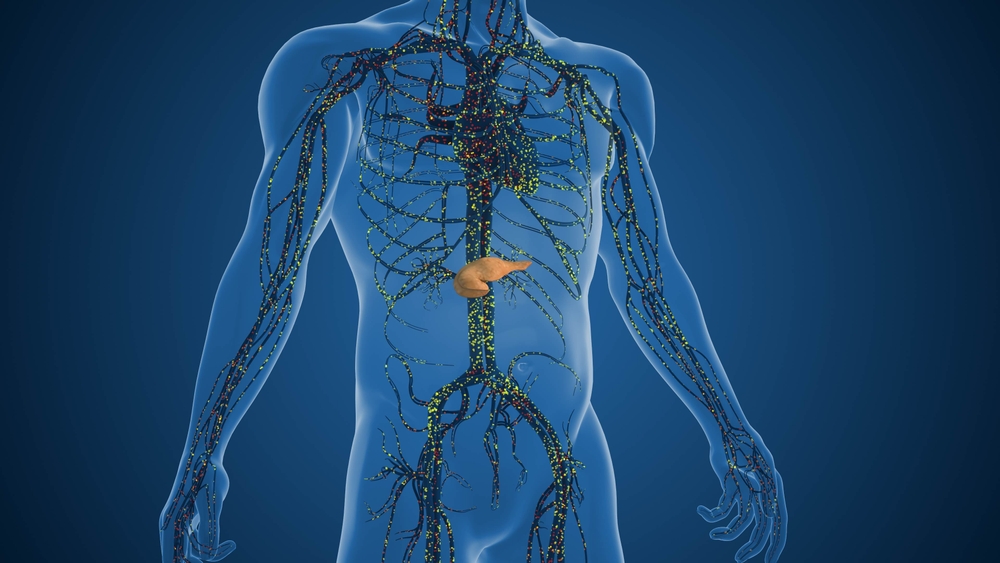
Pancreatic cancer is particularly difficult to identify during its early stages because the initial symptoms can be vague or may not appear at all. The pancreas is an organ located deep inside the abdomen, behind the stomach. It produces digestive enzymes that help break down food and hormones such as insulin, which regulates blood sugar levels. When abnormal cells begin growing in the pancreas, they can eventually form a cancerous tumour that affects nearby organs and structures.
One reason the disease can go undetected is that its symptoms often resemble much more common health problems. Indigestion, bloating, stomach discomfort and changes in appetite can happen for numerous reasons. Someone experiencing these problems might initially assume they are dealing with an ordinary digestive issue, particularly if they already have another condition that could explain some of the symptoms.
The position of the pancreas also contributes to the difficulty of recognizing the disease. Because the organ sits deep inside the abdomen, a developing tumour may not produce an obvious lump or noticeable external change. Symptoms can become more apparent as the tumour grows or begins affecting nearby structures, including the bile duct. This can lead to jaundice, which causes yellowing of the skin and whites of the eyes.
Diabetes is another important part of the discussion because the pancreas plays a central role in controlling blood sugar. Some people develop new-onset diabetes before pancreatic cancer is diagnosed. However, most people with diabetes do not have pancreatic cancer, and Lynda’s long-established diagnosis should not be confused with newly developing diabetes as a potential warning sign. Her family’s account demonstrates why significant changes in an existing condition deserve attention, particularly when they occur alongside unexplained weight loss or persistent pain.
Eight Pancreatic Cancer Symptoms People Should Know About
The symptoms of pancreatic cancer can vary between individuals, and some people may experience very few noticeable warning signs during the early stages. However, there are several changes that health professionals advise people to recognize, particularly when symptoms are persistent, unexplained or appear together.
The NHS identifies the following symptoms as possible signs of pancreatic cancer:
- Unexplained weight loss: Losing weight without making changes to your diet or exercise routine can sometimes indicate an underlying health problem.
- Pain in the stomach: Persistent discomfort or pain in the upper abdomen can occur as pancreatic cancer develops.
- Back pain: Some people experience pain that spreads from the abdomen into their back, which may become worse after eating or when lying down.
- Indigestion and bloating: Ongoing digestive discomfort, feeling bloated and heartburn can sometimes accompany the disease.
- Loss of appetite: Someone may begin feeling less interested in food or struggle to eat normal meals.
- Jaundice: Yellowing of the skin or whites of the eyes can happen when a tumour blocks the bile duct.
- Changes in bowel movements: Diarrhoea, constipation and other unusual changes in stools can occur.
- Unusual tiredness: Persistent exhaustion and a noticeable lack of energy can also develop.
Other possible warning signs include itchy skin, darker urine, paler stools, nausea and vomiting. These symptoms can have several causes, so experiencing one does not automatically mean someone has pancreatic cancer. However, unexplained changes that persist or become worse should be discussed with a healthcare professional rather than repeatedly dismissed as ordinary discomfort.
When Should You Seek Medical Advice?
Recognizing a possible symptom is only one part of the process. Knowing when to seek medical attention can also help people get appropriate investigations when something changes. The NHS advises urgent medical assessment for jaundice, which includes yellowing of the skin or whites of the eyes. People experiencing unexplained weight loss should also arrange an appointment with their GP, particularly if other symptoms are appearing at the same time.
The NHS also recommends contacting NHS 111 if vomiting continues for more than two days or diarrhoea lasts longer than seven days. If possible pancreatic cancer symptoms fail to improve after two weeks, medical advice should be sought. These recommendations are particularly relevant when symptoms are new, persistent or becoming progressively worse.
People who already have diabetes or another long-term medical condition should also pay attention to significant changes in their usual symptoms. For example, unexplained weight loss alongside worsening blood sugar control, persistent stomach pain or digestive problems deserves further investigation. Keeping a record of when symptoms started, how frequently they occur and whether they are getting worse can help communicate the changes during an appointment.
If concerns remain after an initial assessment, it is reasonable to arrange another appointment and explain which symptoms are continuing. A healthcare professional can decide whether further examinations, blood tests or imaging are appropriate. The aim is to investigate persistent changes rather than assume that every new symptom is automatically caused by an existing diagnosis.
Lynda’s Daughter Wants Other Families To Recognize The Warning Signs
Following her mother’s death, Kayleigh decided to share the family’s experience in the hope that other people would become more familiar with pancreatic cancer symptoms. She described the emotional difficulty of watching Lynda deteriorate without knowing what was happening. The family had spent years worrying about her health, trying different treatments and searching for an explanation that never came until the final day of her life.
Kayleigh also spoke about the questions that remain after such a sudden loss. The family will never know whether an earlier diagnosis could have changed Lynda’s outcome, but they continue to wonder what might have happened if they had known more about pancreatic cancer. The uncertainty surrounding those final years has made sharing her mother’s experience particularly important to them.
“We will never know whether an earlier diagnosis could have changed Mam’s outcome,” Kayleigh said. “But we will always wonder what might have been different if we had known more about the signs of pancreatic cancer.” Her words reflect the frustration of a family that spent years trying to understand a series of symptoms before finally receiving a diagnosis that came too late for Lynda.
She now wants other people experiencing unexplained symptoms to listen to their bodies and continue seeking medical advice when something does not feel right. Her family’s message is particularly important for anyone experiencing persistent weight loss, abdominal pain, back pain or digestive problems that do not improve. Lynda’s death has left her loved ones with questions they may never be able to answer, but they hope her experience will encourage others to recognize the warning signs sooner.
Sources:
- Pancreatic Cancer Action. (2026, November 3). Lynda’s Story: A diagnosis Too late | Pancreatic Cancer Action. Pancreatic Cancer Action. https://pancreaticcanceraction.org/case-studies/lyndas-story-a-mam-a-fighter-and-a-diagnosis-that-came-too-late/?
- Signs & Symptoms | Pancreatic cancer. (2026, July 30). Cancer.gov. https://www.cancer.gov/types/pancreatic/symptoms