Pregnancy comes with plenty of health considerations, but a measles infection can introduce serious risks for both mother and baby. New findings from the Centers for Disease Control and Prevention (CDC) reveal that pregnant women have contracted measles during recent US outbreaks, with some newborns developing the infection before or shortly after birth.
A preliminary analysis covering January 2025 through September 2026 identified 112 confirmed measles cases among pregnant women and 13 cases of congenital measles. The findings are raising concerns among doctors about pregnancy complications, premature births, newborn infections, and potentially serious neurological problems that could affect children years later.
CDC Reports 112 Measles Cases Among Pregnant Women
The CDC’s preliminary analysis examined measles infections reported between January 1, 2025, and September 28, 2026. Sixteen US jurisdictions reported the 112 confirmed cases among pregnant women, with 96% of those infections identified as part of large outbreaks involving at least 50 measles cases.
One particularly concerning finding involved vaccination history. Almost all affected women, representing 98% of the reported cases, had either not received the measles, mumps, and rubella (MMR) vaccine before pregnancy or had an unknown vaccination status. Only one woman had documentation of receiving a single MMR dose, while another had received two documented doses.
The analysis also revealed several complications affecting pregnant women and their babies. Some women required hospitalization for measles-related illness, while reported complications included pneumonia and other serious respiratory problems.
Among the pregnancy outcomes reported within 14 days of the mother’s rash appearing, eight babies were born prematurely and eight were admitted to a neonatal intensive care unit (NICU). Two pregnancy losses were also recorded, including one spontaneous abortion and one stillbirth.
These findings require careful interpretation because the CDC analysis remains preliminary. Of the 112 women included in the report, only 37 had documented pregnancy outcomes, while 56 had unknown outcomes and 19 were presumed to have ongoing pregnancies.
The researchers also noted that pregnancy outcomes could change as more information becomes available. Nevertheless, the reported complications provide important evidence of the potential consequences of measles infection during pregnancy.
What Congenital Measles Means For Newborn Babies

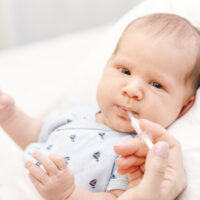
Congenital measles occurs when a pregnant woman passes the measles virus to her baby during pregnancy. The infection can affect newborns before they have an opportunity to receive their routine childhood vaccinations, leaving them vulnerable during an important stage of immune development.
According to the CDC analysis, 16 newborns underwent reverse transcription-polymerase chain reaction (RT-PCR) testing. Thirteen tested positive within 10 days of birth, meeting the report’s working definition of congenital measles.
Six of those infants developed measles-related symptoms, including one baby with symptoms compatible with meningoencephalitis. This condition involves inflammation affecting the brain and its surrounding tissues and can cause serious neurological complications.
The timing of maternal infection can also influence the risk to newborns. Babies born within 14 days after their mother’s measles rash appears may still be infectious and can develop symptoms shortly after delivery.
Why Newborns Face Particular Risks
Newborns have developing immune systems, which can make infections especially difficult to manage. Babies exposed to measles before birth may also face complications that doctors are still working to understand because congenital cases have historically been extremely rare in the United States.
Dr. Adam Ratner, a member of the American Academy of Pediatrics’ infectious diseases committee, described the limited medical understanding of these cases by saying, “There are a lot of holes in our knowledge.”
The recent infections are giving researchers more opportunities to investigate the condition and its possible consequences. Doctors are particularly interested in understanding how exposure during pregnancy affects a child’s health beyond the immediate newborn period.
Symptoms Doctors Look For In Infected Babies
Congenital measles can produce symptoms associated with ordinary measles, although newborn infections require particular attention because of the potential for complications. Fever and a characteristic rash are among the signs doctors monitor, while jaundice and respiratory problems may also require medical assessment.
Severe infections can involve pneumonia and encephalitis, both of which can become dangerous for newborns. Healthcare teams therefore need to identify possible infections quickly and provide appropriate monitoring and treatment.
A Rare Brain Disorder Has Doctors Particularly Concerned
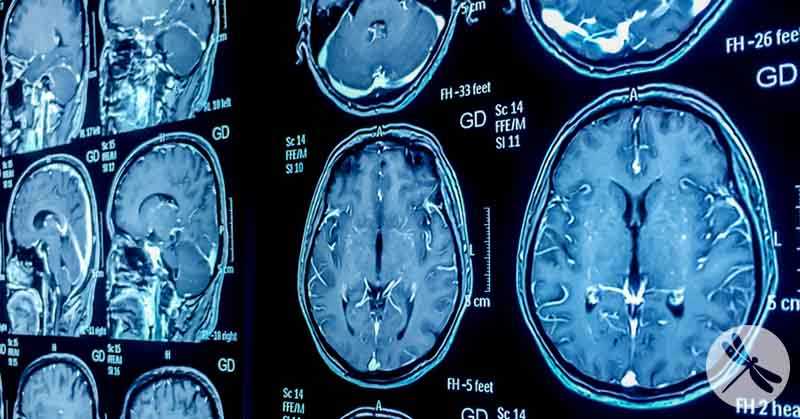
One of the most concerning potential complications associated with measles is subacute sclerosing panencephalitis (SSPE). This rare, progressive neurological disorder can develop years after an initial measles infection and causes continuing damage to the brain.
SSPE is almost always fatal, making it a particularly serious concern for children who contract measles during infancy. Unlike complications that appear immediately after infection, this condition can remain undetected for years before neurological symptoms become apparent.
Dr. Michelle Barton-Forbes, a pediatric infectious disease specialist who worked during a major measles outbreak in Canada, has documented congenital measles cases in North America. She identified SSPE as one of the major concerns for affected children and has emphasized the need to monitor patients over time.
Some researchers have estimated that approximately one in 158 infants infected with measles could develop SSPE. This estimate is substantially higher than the commonly cited risk among the broader infected population, although the available evidence remains limited and further research is needed.
Why Long-Term Monitoring Matters
Doctors are concerned that infants with congenital measles may face a higher risk of developing SSPE than older children or adults. There are also indications that the neurological disorder could develop sooner in children infected during infancy.
Dr. Barton-Forbes has explained that the virus may be able to reach the brain before an infant’s immune system can effectively control the infection. Reports have described SSPE developing in babies only a few months old, although it remains a rare complication.
Researchers are also investigating immune amnesia, another potential consequence of measles infection. This occurs when the virus damages the immune system’s memory of previously encountered infections, potentially leaving someone more vulnerable to illnesses their body had previously learned to fight.
Dr. Barton-Forbes has said she plans to follow patients diagnosed with congenital measles to investigate their long-term health outcomes. Such monitoring could help researchers understand whether these infants experience additional infections or neurological complications as they grow older.
Why Measles Is Returning After Decades Of Control
For many years, measles was rarely seen in the United States because widespread vaccination helped prevent sustained transmission. High vaccination coverage also protected people who could not receive certain vaccines, including young infants and some individuals with medical conditions.
However, declining vaccination coverage has allowed the highly contagious virus to spread through communities with lower levels of immunity. This has created a particular concern for women of childbearing age who may never have received the MMR vaccine and have never been exposed to measles.
Michael Osterholm, director of the University of Minnesota’s Center for Infectious Disease Research and Policy, explained this change in population immunity. He said, “What’s happening is we have so many women of childbearing age who were not vaccinated in the last 25 years, nor have they ever had exposure to measles because for the last 25 years we have beaten it back.”
The CDC findings support this concern, with 98% of the pregnant women included having no documented pre-pregnancy MMR vaccination or an unknown vaccination status. Women who lack immunity can become vulnerable when measles begins circulating in their communities.
Community Vaccination Rates Also Matter
Measles spreads easily, making community vaccination coverage an important part of preventing outbreaks. Health authorities generally consider approximately 95% MMR vaccination coverage necessary to maintain strong community protection against measles transmission.
However, the CDC reported that 92.4% of US kindergarteners received their required MMR vaccinations during the 2025-2026 school year. This figure falls below the coverage level generally considered necessary to prevent sustained outbreaks.
When vaccination rates fall, vulnerable groups face greater exposure. These include pregnant women without immunity and babies who are too young to receive routine measles vaccinations.
The first routine MMR dose is generally given between 12 and 15 months of age. In certain outbreak situations, infants can receive an earlier dose beginning at six months, although they still need subsequent doses according to recommended vaccination schedules.
What Pregnant Women Should Know About MMR Vaccination
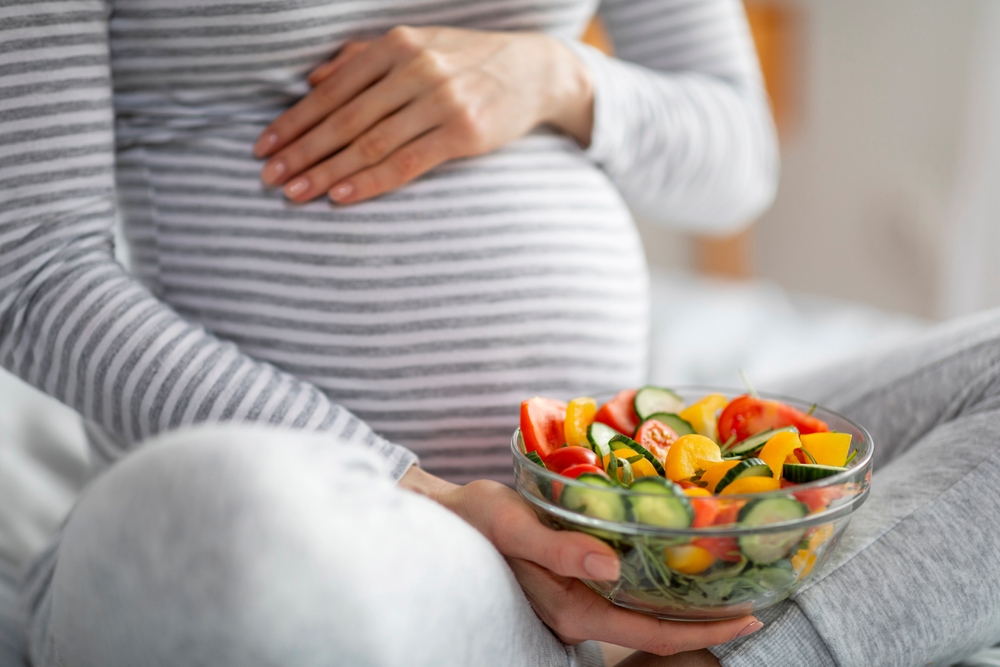
Vaccination before pregnancy is one of the most important ways to reduce the risk of measles infection during pregnancy. The MMR vaccine protects against measles, mumps, and rubella while helping the body develop antibodies that provide protection against these infections.
Those antibodies can pass from mother to baby through the placenta, offering some protection during the first months of life. This maternal protection is particularly valuable because newborns are too young to receive their routine MMR vaccination.
However, there is an important distinction concerning vaccination timing. MMR is a live attenuated vaccine, meaning it contains weakened forms of the viruses it protects against, and it is not recommended during pregnancy.
Women planning to become pregnant can discuss their vaccination history and immunity with their healthcare providers before conception. Those who are not immune can receive appropriate vaccination before pregnancy and follow medical guidance about how long to wait before trying to conceive.
What Happens After Exposure To Measles?
Pregnant women who are not immune and have been exposed to measles should contact their healthcare provider promptly. The CDC recommends intravenous immunoglobulin (IVIG) as postexposure prophylaxis for pregnant women without documented MMR vaccination or other evidence of immunity.
Immunoglobulin contains antibodies that can help reduce the risk of developing measles or experiencing severe complications after exposure. The timing of treatment is important, so women should seek medical advice as soon as possible rather than waiting for symptoms to appear.
Women should also recognize the common symptoms associated with measles, particularly if they have been exposed to someone with the infection. These symptoms can initially resemble an ordinary respiratory illness before the characteristic rash appears.
- High fever: Measles often begins with a fever that can become quite high and may be accompanied by general weakness.
- Cough: A persistent cough can develop during the early stages of infection and may continue as other symptoms appear.
- Runny nose: Nasal symptoms are another common early warning sign and can make the illness resemble a routine cold.
- Red, watery eyes: Eye irritation, redness, and sensitivity to light can occur before the characteristic rash develops.
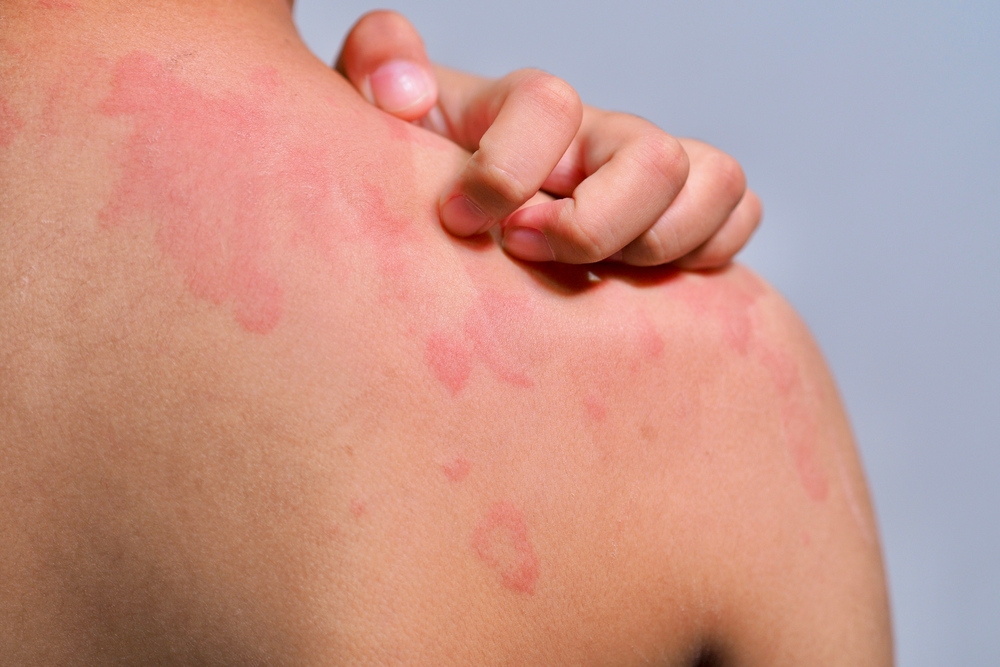
- Skin rash: A red rash typically appears several days after the initial symptoms and can spread across the body.
Anyone experiencing possible measles symptoms during pregnancy should contact a healthcare professional immediately and explain the suspected infection before visiting a medical facility. This allows healthcare teams to take precautions and reduce the risk of exposing other patients.
How Healthcare Teams Are Protecting Newborns

The recent cases have increased the need for healthcare systems to prepare for measles infections affecting pregnant women and their babies. Medical professionals must consider both maternal health and the possibility that an infant may have been exposed before delivery.
The CDC recommends immunoglobulin for newborns exposed to measles in utero to help reduce complications associated with congenital infection. Healthcare teams can assess the timing of exposure, monitor infants for symptoms, and determine the appropriate preventive measures.
The challenge extends beyond the first few days after birth. Because certain neurological complications can develop years after an initial measles infection, researchers are calling for longer-term follow-up of affected children.
The CDC analysis also highlights the importance of connecting maternal and infant health records. Better surveillance could help doctors understand how the timing of infection during pregnancy influences newborn outcomes and whether certain complications occur more frequently.
There are still unanswered questions about the long-term effects of congenital measles, particularly when infection occurs early in pregnancy. Researchers will need more detailed follow-up information to understand the risks and identify the best approaches to protecting affected children.
Protecting Maternal And Infant Health Starts Before Pregnancy
The CDC findings offer a clear reason for women planning pregnancies to review their vaccination history and discuss measles immunity with their healthcare providers. Knowing whether you have received the recommended vaccinations can help you identify potential gaps in protection before becoming pregnant.
For women who are already pregnant, understanding exposure risks and seeking prompt medical guidance can help them access appropriate preventive care. If exposure occurs, healthcare professionals can assess immunity and determine whether immunoglobulin is appropriate.
Community vaccination coverage also plays a major role in protecting pregnant women and newborns. Reducing measles transmission helps protect people who cannot yet receive routine vaccinations, including the youngest infants.
Babies cannot receive their routine first MMR dose until they are at least 12 months old under the standard schedule. Until then, their protection depends heavily on maternal antibodies and the immunity of people around them, making vaccination coverage a shared responsibility for families and communities.