
Getting a high cholesterol result can be worrying, especially when you feel perfectly healthy and have no obvious symptoms. Many people immediately assume medication is their only option, but everyday lifestyle choices can also make a meaningful difference. A leading cardiologist says changing what you eat could be one of the most effective ways to improve your cholesterol levels, and some of the foods you regularly buy might be worth reconsidering.
Dr. Riyaz Patel, an NHS doctor and academic cardiologist at University College London, identifies dietary changes as a particularly effective approach to managing cholesterol. Exercise and quitting smoking can also help, but your eating habits deserve special attention. From cutting back on processed meats to reconsidering certain everyday foods, a few consistent changes could help support better cardiovascular health over time.
Why High Cholesterol Can Be Difficult To Recognize
One of the biggest problems with high cholesterol is that you can have elevated levels without feeling any different. Unlike conditions that produce noticeable warning signs, high cholesterol generally does not cause obvious symptoms. Someone can maintain an active lifestyle, feel energetic throughout the day and still have cholesterol levels that increase their risk of cardiovascular disease. This is why regular blood testing is important, particularly if you have a family history of high cholesterol or other heart-related risk factors.
The numbers are worth paying attention to. Heart UK estimates that nearly half of adults in England have above-average cholesterol levels, while the US Centers for Disease Control and Prevention estimates that approximately 34 million Americans have total cholesterol above 240 mg/dL. Many people may not realize their levels are elevated until they receive blood test results or experience a medical problem.
If your cholesterol is high, your healthcare professional can assess your results and discuss appropriate next steps. Depending on your overall health and cardiovascular risk, this might involve lifestyle changes, medication or a combination of both. Statins are commonly prescribed to help lower cholesterol, with approximately 40 million people taking them in the United States. However, lifestyle improvements remain an important part of managing cholesterol, including for people who take medication.
Understanding The Difference Between Good And Bad Cholesterol
Cholesterol itself is a substance your body needs to function properly. It helps maintain cell membranes and supports the production of hormones such as testosterone and oestrogen. Your body also uses cholesterol when producing vitamin D and bile acids, which help break down food during digestion. Problems develop when certain cholesterol levels become too high, particularly low-density lipoprotein, commonly known as LDL.
LDL is often called bad cholesterol because excessive amounts can contribute to plaque accumulating inside your arteries. Dr. Patel explains that cholesterol cannot travel freely through the bloodstream because it needs to be carried inside particles called lipoproteins. These particles act like tiny delivery vehicles, transporting cholesterol between the liver and different parts of the body. LDL carries cholesterol toward the bloodstream and tissues, while high-density lipoprotein (HDL) helps transport it back toward the liver.
The concern arises when LDL becomes trapped inside damaged artery walls. Damage can occur through several factors, including high blood pressure, smoking, pollution, ageing and inflammation. When LDL accumulates in these areas, plaque can develop and gradually narrow the arteries. Dr. Patel explains the potential consequences: “Heart attacks happen when a bit of plaque cracks and causes a clot on top and blocks an artery.” Understanding this process helps explain why managing cholesterol deserves attention even when you feel perfectly healthy.
Why Your Diet Could Be Your Strongest Lifestyle Tool
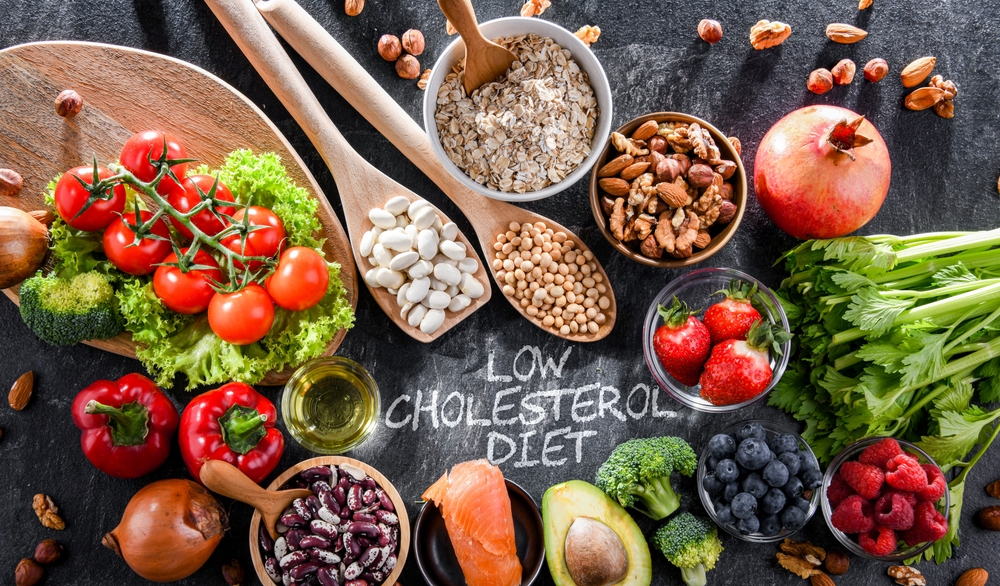
Dr. Patel identifies dietary changes as the most effective lifestyle approach for improving cholesterol levels. What you regularly eat can influence the amount of LDL circulating in your bloodstream, which makes your everyday grocery choices worth examining. You do not necessarily need an elaborate eating plan to begin making improvements. Paying closer attention to foods high in saturated fat and choosing more suitable alternatives can be a practical starting point.
Some familiar foods deserve particular attention. Pastries, processed meats and lard are among the products highlighted as choices worth limiting when trying to improve cholesterol. These foods can contribute substantial amounts of saturated fat to your diet, especially when they appear regularly in meals and snacks. Cutting back on them can help create room for more balanced food choices without requiring you to completely change the way you eat overnight.
A useful approach is to look at your regular eating habits rather than focusing on one individual meal. Consider how frequently you eat processed meats, how often pastries feature in your breakfast routine and which fats you use when preparing food. You can begin making gradual substitutions that fit your preferences and schedule. Sustainable changes are generally easier to maintain than restrictive eating plans that leave you feeling deprived.
Five Everyday Habits Worth Changing For Better Cholesterol
Improving your cholesterol levels involves looking at several lifestyle factors together. Diet receives particular attention from Dr. Patel, but physical activity and smoking habits can also influence your cardiovascular health. These are some practical areas to consider when reviewing your current routine:
- Reduce processed meats: Sausages and other processed meat products are among the foods worth limiting when trying to improve your cholesterol profile. Consider having them less frequently rather than making them a regular feature of your meals.
- Cut back on pastries: Many pastries contain ingredients that contribute significant amounts of saturated fat. Reducing how often you eat them can help improve the overall quality of your diet.
- Reconsider the fats you use: Lard is specifically identified as a food worth avoiding when focusing on healthier cholesterol levels. Pay attention to the fats you regularly use when preparing meals.
- Include regular aerobic exercise: Walking, running and cycling are examples of activities that can support healthier cholesterol levels. Choose activities that suit your current fitness level and build consistency over time.
- Avoid smoking: Smoking increases cardiovascular risk and can negatively affect cholesterol. Quitting is a valuable step toward protecting your heart and blood vessels.
These changes can complement one another. You might begin by reducing processed meats while introducing regular walks into your week. Once those habits become familiar, you can make additional adjustments without feeling overwhelmed by a complete lifestyle overhaul.
How Exercise Can Support Healthier Cholesterol Levels
Food choices are important, but physical activity also deserves a place in your routine. Aerobic exercise involves activities that increase your breathing and heart rate over a sustained period. Walking, cycling and running are common examples, and they can be adapted to different fitness levels. If you currently spend most of your day sitting, even introducing regular walks can help you become more active.
A 2013 research paper cited in the original report found that aerobic activities could reduce LDL cholesterol and increase HDL cholesterol by approximately 5%. These changes suggest that movement can support improvements in your cholesterol profile. Exercise also contributes to cardiovascular fitness and makes it easier to build a routine that supports your overall health.
You do not need to begin with demanding workouts or long training sessions. Start with activities you enjoy and gradually increase the amount of movement in your week. A brisk walk during lunch, cycling at the weekend or choosing the stairs more often can help you become more consistent. If you have an existing medical condition or have been advised to limit physical activity, discuss an appropriate exercise routine with your healthcare professional.

Why Quitting Smoking Should Be Part Of The Plan
Smoking is another factor that deserves attention when looking after your cholesterol and cardiovascular health. Cigarette smoke can negatively affect cholesterol levels while increasing the risk of damage to blood vessels. When blood vessels become damaged, LDL can become trapped inside artery walls and contribute to plaque formation. This creates another reason to consider quitting if you currently smoke.
The original report also references a 2019 research paper suggesting that vaping could have similar negative effects on cholesterol-related health measures. Although vaping is often discussed as an alternative to traditional cigarettes, it should not automatically be considered harmless. The research mentioned in the report suggests that people should be cautious about assuming vaping carries no cardiovascular risks.
Quitting smoking can be challenging, particularly if it has been part of your daily routine for years. However, support from healthcare professionals and established stop-smoking services can make the process more manageable. Combining smoking cessation with healthier eating and regular movement gives you several ways to support your cardiovascular health.
When You Might Still Need Cholesterol Medication
Lifestyle changes can make a meaningful contribution to cholesterol management, but they do not guarantee that everyone can reach healthy levels without medication. Your cholesterol results are only one part of your overall cardiovascular risk assessment. Age, family history, blood pressure and existing health conditions can all influence the treatment approach recommended by your healthcare professional.
Some people have inherited conditions that cause very high cholesterol levels. Others may already have cardiovascular disease or additional risk factors that make medication particularly important. In these situations, dietary improvements and exercise can support treatment, but they may not provide sufficient protection on their own.
Statins are prescribed because they help lower LDL cholesterol and reduce cardiovascular risk in people who need them. If you already take a statin, continue following your prescription unless your healthcare professional advises otherwise. You can still improve your diet, become more active and address smoking habits alongside your treatment. The right approach depends on your individual health rather than a single cholesterol number.
Start With Small Changes You Can Maintain
Your cholesterol levels are influenced by several factors, but the choices you make every day give you opportunities to support your heart health. Start by examining the foods you regularly buy and identifying where you could reduce pastries, processed meats and other sources of saturated fat. Add manageable physical activity to your schedule and consider seeking support if you smoke.
You do not need to change everything at once. A healthier routine can begin with one decision at your next grocery shop and another during your next walk. If you have concerns about your cholesterol, arrange a blood test and discuss the results with your healthcare professional. Knowing your numbers gives you a clearer starting point for making changes that can support your health for years to come.
Sources:
- Vanstone, C. A., Raeini-Sarjaz, M., Parsons, W. E., & Jones, P. J. (2002). Unesterified plant sterols and stanols lower LDL-cholesterol concentrations equivalently in hypercholesterolemic persons. American Journal of Clinical Nutrition, 76(6), 1272–1278. https://doi.org/10.1093/ajcn/76.6.1272
- Majid, S., Keith, R. J., Fetterman, J. L., Weisbrod, R. M., Nystoriak, J., Wilson, T., Stokes, A. C., Blaha, M. J., Srivastava, S., Robertson, R. M., Bhatnagar, A., & Hamburg, N. M. (2021). Lipid profiles in users of combustible and electronic cigarettes. Vascular Medicine, 26(5), 483–488. https://doi.org/10.1177/1358863×211009313
Arlie Erdman
Sunday 1st of November 2026
Customer experience design