Imagine having a tiny electronic device beneath your skin that monitors rising blood sugar and removes excess glucose without relying on medication. Researchers have developed an experimental implant that could eventually make this possible, and early tests in mice have produced encouraging results.
The device uses electricity to trigger a chemical reaction that converts excess glucose into a substance the body can eliminate. Although human trials are still ahead, the technology could introduce an entirely different approach to managing type 2 diabetes.
Scientists Develop an Implant That Removes Excess Blood Sugar
Researchers at ETH Zurich in Switzerland have developed a small electronic implant designed to remove excess glucose directly from the bloodstream. The device, called ECHO, stands for electrocatalytic closed-loop health optimization. It measures approximately the size of a USB stick and is designed to sit underneath the skin.
The research was led by Martin Fussenegger, a professor of biotechnology and bioengineering at ETH Zurich. His team wanted to investigate whether electricity could control blood glucose through a chemical reaction rather than depending entirely on medication or the body’s natural insulin response.
The findings, published in the journal Science on October 22, 2026, describe how the experimental device performed in mice with diabetes and obesity. When researchers activated the implant, glucose levels fell into the normal range within approximately 90 minutes. Repeated treatment also helped maintain more stable blood sugar levels over six weeks.
The animals experienced additional metabolic changes during the experiments. Researchers observed reductions in body weight and triglycerides, along with signs that their metabolism had shifted toward burning more fat. These results have attracted attention because they suggest that directly removing excess glucose could influence more than blood sugar regulation alone.
Fussenegger explained the thinking behind the research in a statement: “For decades, we have treated diabetes by telling the body how to manage glucose. We are now showing that we can take control of glucose directly, using electronics rather than drugs.” The approach represents an experimental alternative that researchers hope to investigate further.
How the USB-Sized Diabetes Implant Actually Works

The technology behind ECHO involves a process called electrocatalysis, which uses electricity to accelerate a chemical reaction. Rather than encouraging the pancreas to release insulin or changing how cells respond to the hormone, the implant chemically converts excess glucose into another substance.
Inside the device is a graphite structure carrying a specially developed catalyst. The catalyst contains gold nanoclusters decorated with tiny platinum particles. These materials work together to encourage the oxidation of glucose when the implant receives an electrical current.
During this reaction, glucose is converted into gluconate, a substance that the body can process and eliminate through the kidneys. The electrical supply determines when the reaction takes place, allowing researchers to activate or deactivate the glucose-removal process.
This is an important distinction from conventional diabetes treatments. Many existing medications influence the body’s biological processes to control glucose levels. ECHO instead attempts to remove some of the excess glucose through a controlled chemical reaction.
Why Gold and Platinum Are Important
The researchers selected graphite, gold, and platinum because of their electrical and catalytic properties. The graphite provides a conductive structure, while the gold and platinum particles help drive the chemical conversion process.
One particularly interesting finding involved the catalyst’s ability to target glucose selectively. Blood contains other molecules with similarities to glucose, including fructose, galactose, and lactose. Researchers wanted to establish whether the reaction would affect these substances or interfere with other biological molecules.
Testing showed that the catalyst could selectively convert glucose even when other metabolites, biomolecules, and drugs were present. The researchers did not initially have a complete explanation for this selectivity, making it an unexpected result of the material combination.
Fussenegger acknowledged that the team had not specifically designed the catalyst to achieve this level of selectivity. He described the finding as a fortunate discovery, although further research will be needed to understand the underlying mechanism.
The Device Can Automatically Respond to Blood Sugar Changes
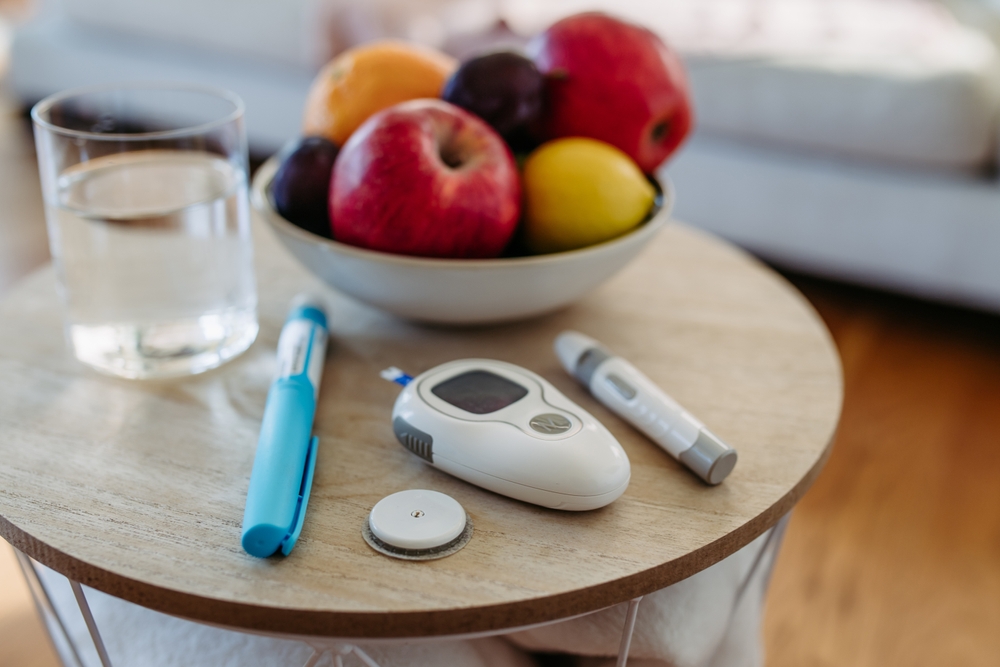
Another important feature of ECHO is its ability to work with a continuous glucose monitor. These monitors track blood sugar throughout the day and provide information about changes following meals, exercise, sleep, and other everyday activities.
The researchers connected the implant to a commercial glucose monitoring system through a smartphone. The monitor supplied glucose readings, while the smartphone controlled the implant’s electrical activity according to the measurements.
When blood glucose increased above the desired range, the system activated the implant. The electrical current then powered the catalyst, allowing it to convert excess glucose into gluconate. When glucose levels moved back toward the target range, the system reduced or stopped the electrical supply.
This arrangement creates what researchers call a closed-loop system. The monitoring device provides information about glucose levels, while the implant responds automatically rather than requiring someone to activate it manually each time.
The team tested this arrangement in mice for two weeks without human intervention. The system adjusted the implant’s activity according to the glucose readings, demonstrating how monitoring and treatment could work together.
The researchers also explained that the device receives wireless power and control signals. Radio frequency energy from an ordinary smartphone can be converted by the implant’s electronics into a stable electrical current. This allows the chemical reaction to operate without requiring a conventional battery inside the implanted device.
For someone managing diabetes, this type of technology could eventually reduce some of the daily adjustments involved in glucose management. However, its performance and reliability will need to be established in human studies before that possibility becomes realistic.
Mice Experienced Weight Loss and Better Glucose Control

The researchers tested ECHO in mice with both diabetes and obesity. Their results suggested that controlling excess glucose through electrocatalysis could influence several aspects of metabolism.
Over six weeks, animals fitted with the implant maintained more stable blood sugar levels than untreated mice. Their average body weight also decreased by approximately 10%, while blood tests showed lower triglyceride levels.
Researchers observed that the animals’ metabolism shifted toward burning more fat. This change occurred alongside the reduction in glucose levels, suggesting that the body’s energy use may have been influenced by the implant’s activity.
What Happens to Glucose After the Chemical Reaction?
The conversion process produces gluconate, which the body can eliminate through the kidneys. According to the study, the mice used approximately one-fifth of the resulting gluconate for energy, while the remainder was removed through urine.
This provides an unusual approach to managing excess blood sugar. Instead of relying exclusively on the body’s insulin system to regulate glucose, the device converts some of the sugar into a different substance that can be eliminated.
The researchers also reported that the treatment did not cause glucose levels to fall below the safe range during the experiments. The ability to switch the reaction on and off is particularly important because excessive glucose removal could potentially create dangerous low blood sugar levels.
However, the weight reduction observed in mice should be interpreted carefully. Researchers still need to determine whether similar metabolic changes would occur in people and whether the technology could safely produce comparable results over longer periods.
Why Type 2 Diabetes Is So Difficult to Manage
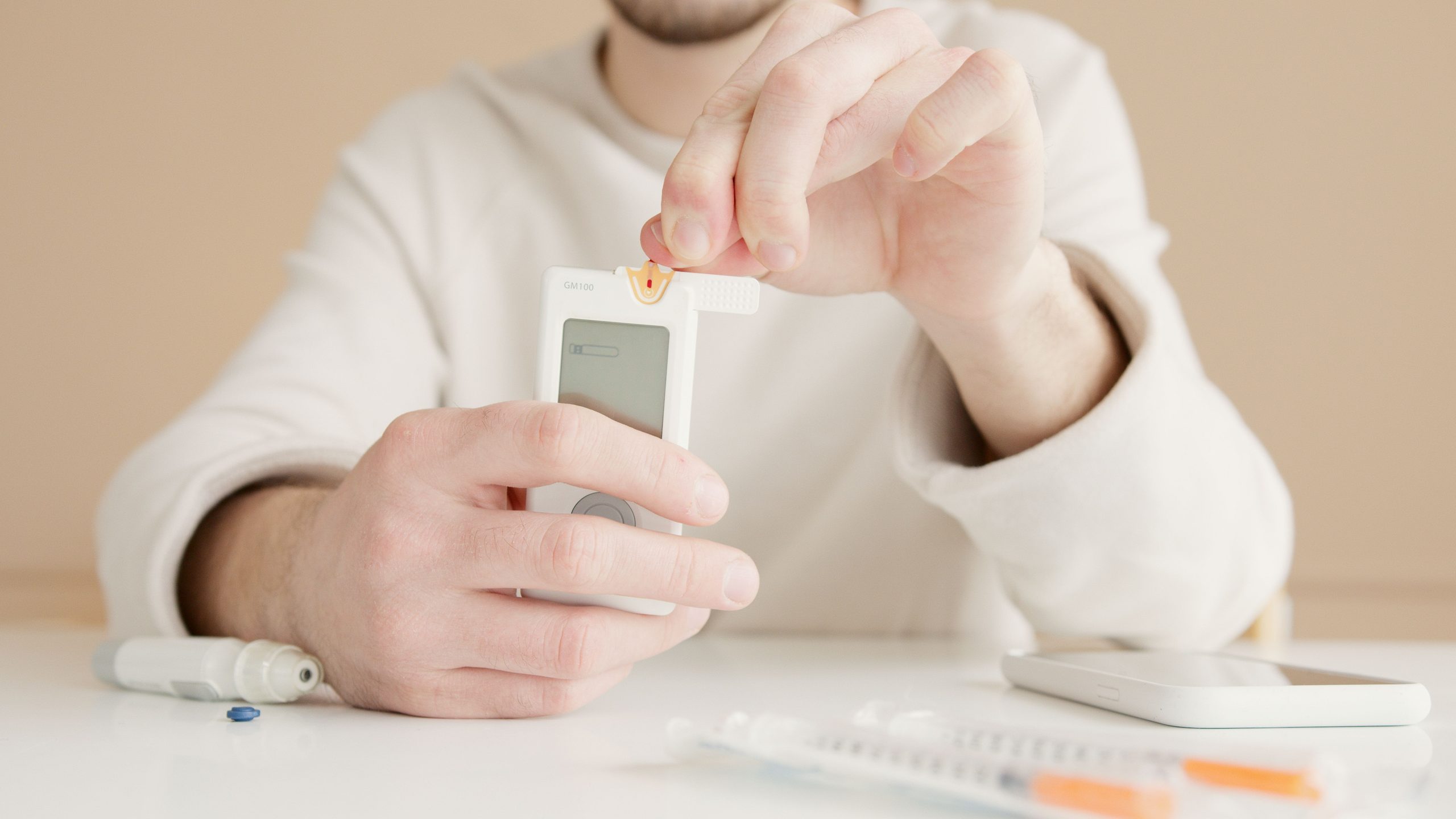
Type 2 diabetes is a metabolic condition that develops when the body becomes resistant to insulin or cannot produce enough insulin to maintain healthy blood glucose levels. Insulin is a hormone that helps glucose move from the bloodstream into cells, where it can be used for energy.
When insulin resistance develops, the cells respond less effectively to the hormone. The pancreas may initially produce additional insulin to compensate, but the body can eventually struggle to maintain normal glucose levels.
Persistently elevated blood sugar can increase the risk of several serious complications. These include cardiovascular disease, kidney damage, nerve problems, and vision difficulties.
Obesity is also closely associated with type 2 diabetes. Excess body fat can contribute to insulin resistance, making glucose regulation more difficult. The relationship between these conditions can create a cycle in which metabolic problems influence one another.
How Current Treatments Help Control Blood Sugar
People with type 2 diabetes have several established treatment options. These include lifestyle changes, glucose monitoring, and medications that influence different parts of the body’s glucose-regulation system.
Metformin is commonly prescribed because it helps reduce glucose production in the liver and improves the body’s response to insulin. Insulin may also be prescribed when the body cannot maintain adequate glucose control through its own production.
GLP-1 receptor agonists represent another treatment option. These medications influence blood sugar regulation and appetite, and some can support weight loss.
Automated insulin delivery systems can adjust insulin administration using information from continuous glucose monitors. However, they still depend on medication being delivered into the body.
ECHO takes a different approach by attempting to remove excess glucose directly. This could eventually offer another treatment option, although researchers have not established whether it would work better than existing therapies or whether it could reduce the need for medication.
Researchers Tested the Technology Using Five Liters of Fluid
One of the biggest challenges facing ECHO is the difference between the blood volume of a mouse and that of a human. A mouse has approximately two milliliters of blood, whereas an average adult typically has around five liters.
An implant that successfully removes glucose in a small animal must demonstrate that it can handle considerably larger volumes before researchers can consider human applications.
To investigate this challenge, the ETH Zurich team conducted an additional experiment using a five-liter reservoir containing a glucose-rich solution. This volume was selected to approximate the total blood volume of an adult human.
The device continued to convert glucose effectively in this larger experimental system. The finding gave researchers an opportunity to examine how the catalytic process might perform at a scale closer to human requirements.
However, circulating a glucose-containing solution through a reservoir is different from treating a living person. Human blood contains numerous cells, proteins, and other biological components that can influence how an implanted device operates.
The experiment therefore represents an encouraging laboratory test rather than proof that ECHO is ready for human use. Researchers will still need to investigate its performance in larger animals and eventually conduct carefully controlled clinical trials.
Early Safety Results Are Encouraging, But More Testing Is Needed
Any device designed to remain beneath the skin must demonstrate that it can function without causing harmful reactions in surrounding tissue. Inflammation, scarring, material degradation, and metal leakage are among the concerns researchers must investigate.
During the mouse experiments, the team examined tissue surrounding the implants. They reported no visible signs of inflammation or scarring and found no evidence that metals had leaked from the device.
The researchers also found that the implants maintained their catalytic performance during the study. Devices removed after six weeks were still functioning, while some implants remained active after three months beneath the skin.
These findings are encouraging because many experimental implants face problems when the body develops scar tissue around them. Such tissue can interfere with devices that depend on engineered cells releasing therapeutic proteins.
ECHO uses a different mechanism, relying on a catalytic material rather than living cells to perform its primary function. This may help explain why the researchers observed relatively little tissue reaction during their experiments.
Nevertheless, short-term results in mice cannot establish long-term safety in humans. The device must undergo additional testing to determine whether it can maintain its performance over extended periods without causing complications.
Chemist Luisa Torsi, who was not involved in the research, highlighted the next challenges. She said: “The crucial next steps are to establish long-term tissue compatibility, sustained catalytic activity and safe, effective glucose removal at the scale required for human treatment.”
What Happens Before the Implant Can Be Tested in Humans?

Despite the encouraging findings, ECHO remains an experimental technology. Researchers must complete several stages of development before it could become an approved medical treatment.
The immediate priority is to test the implant in larger animals. These experiments can help determine whether the device can remove sufficient quantities of glucose while maintaining stable operation in a more complex biological system.
Researchers will also need to examine how the implant behaves over longer periods. Its catalytic materials must remain effective, and the surrounding tissue must continue tolerating the device.
The team must also establish that the monitoring system can reliably control glucose removal under different conditions. Meals, exercise, illness, and other metabolic changes can influence blood sugar throughout the day.
If those studies produce satisfactory results, the researchers could eventually move toward human clinical trials. The device would then need to undergo regulatory evaluation before it could be made available as a medical treatment.
Fussenegger has suggested that implantation in humans could potentially involve a relatively minor incision because of the device’s small size. He has also discussed the possibility of replacing implants periodically, potentially allowing patients to avoid frequent medication adjustments.
However, these possibilities remain projections rather than established medical outcomes. There is currently no confirmed timeline for human trials or commercial availability.
A Different Direction for the Future of Diabetes Care
The development of ECHO introduces an interesting possibility for people who manage type 2 diabetes every day. An implant that monitors glucose and responds automatically could eventually reduce some of the work involved in maintaining healthy blood sugar levels.
Its ability to convert excess glucose directly also offers researchers a new way to approach metabolic conditions. Rather than relying entirely on medications that influence insulin or appetite, electronic systems could potentially become another part of diabetes treatment.
Still, the researchers have emphasized that the device is not intended to replace healthy nutrition, regular physical activity, or established medical care. Type 2 diabetes involves several interconnected metabolic processes, and removing excess glucose alone cannot address every aspect of the condition.
For now, people living with diabetes should continue following their prescribed treatment plans. ECHO has demonstrated promising results in mice, but its effectiveness and safety in humans remain unknown.
The next major milestone will be establishing whether a device small enough to fit beneath the skin can safely perform the same glucose-removal process inside the human body.