
When shoppers buy fresh apples or berries at the grocery store, they rarely think about what it took to protect those crops from aggressive weeds. To keep harvests plentiful, the agricultural industry relies heavily on incredibly strong chemicals.
However, mounting research shows that these routine farming practices are quietly threatening the health of farmworkers and rural families, linking everyday pesticides to devastating brain diseases. As federal regulators hesitate to intervene, local lawmakers are stepping up to ask a critical question about how much risk is truly acceptable just to put food on the table.
Banning a Controversial Weedkiller
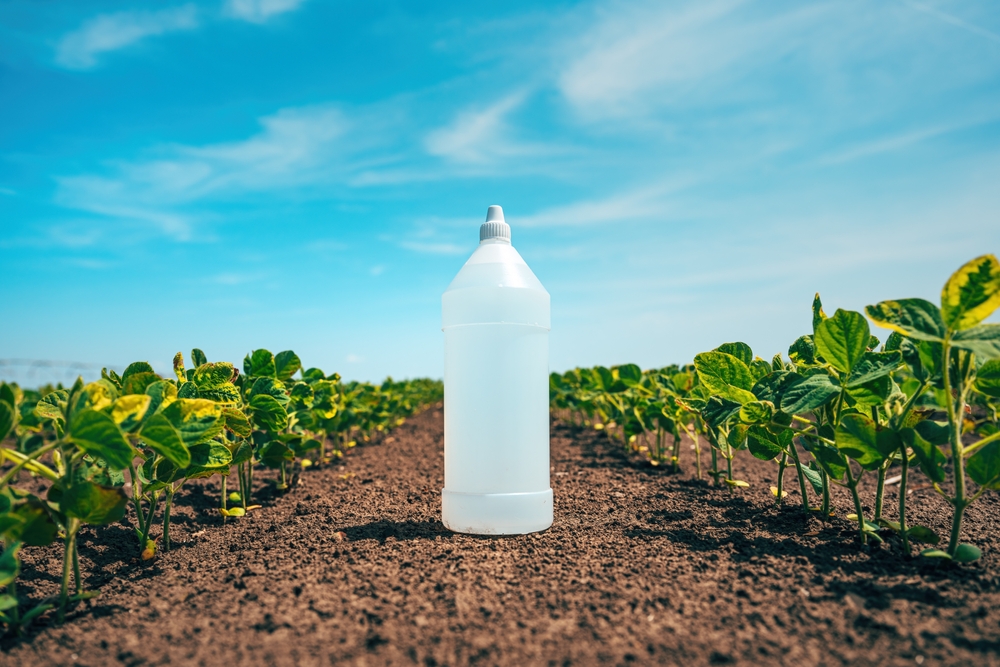
Vermont just became the first U.S. state to ban paraquat, a highly toxic weedkiller heavily linked to Parkinson’s disease. Governor Phil Scott recently signed a new law (House Bill 739) that phases out the chemical. The rules officially kick in on November 1. Farmers who grow certain crops, like apples and berries, can apply for special permits to use it a little longer, but by December 31, 2030, paraquat will be completely illegal within state borders.
While this is a historic first for the United States, Vermont is actually catching up to the rest of the globe. Because of severe health concerns, paraquat is already banned in more than 70 countries, including China and the entire European Union. State Representative Esme Cole, who sponsored the bill, perfectly summed up the milestone: “We’re the first in the nation, but the last in the world, so it’s kind of a mixed feeling.” Still, she celebrated the new law as a “beautiful step in the right direction.”
For public health advocates and environmental groups, this ban is a massive victory after years of sounding the alarm. Organizations like The Michael J. Fox Foundation and the Environmental Working Group (EWG) fought hard for the bill’s passage. Geoff Horsfield, the legislative director at the EWG, explained the bigger picture. “With today’s vote, Vermont is making history and putting the health of its residents first,” Horsfield said, noting that the decision sends a “powerful signal that the days of tolerating this dangerous chemical are numbered.”
How Paraquat Affects the Brain
To understand why Vermont took such drastic action, it helps to look at exactly what paraquat is and what it does. Paraquat is highly prized in conventional farming because it is incredibly effective at clearing weeds that have become resistant to other chemicals. However, it is also notorious for its extreme, immediate toxicity; a single accidental sip can be fatal, and there is no known antidote. But for health advocates, the most alarming danger isn’t just accidental poisoning—it is the long-term, invisible toll the chemical takes on the human brain.
Scientists have found that paraquat kills weeds by causing oxidative stress, which is essentially massive chemical wear and tear that destroys plant cells. The core issue is that this same destructive process can happen in humans. When agricultural workers inhale or absorb paraquat over time, the chemical can enter the brain and attack the substantia nigra—the specific region responsible for producing dopamine. The gradual death of these dopamine-producing neurons is the exact biological trigger for Parkinson’s disease, a progressive neurological disorder that strips away a person’s ability to control their movements, causing tremors, stiffness, and eventual loss of independence.
The data backing up these concerns is substantial. Multiple scientific studies, including the federally backed Agricultural Health Study which tracked tens of thousands of pesticide applicators, found that people who regularly worked with paraquat were up to 2.5 times more likely to develop Parkinson’s disease.
Yet, despite this research, the issue remains highly controversial. The U.S. Environmental Protection Agency (EPA) recently reviewed the chemical and stated that the current data is insufficient to conclusively link paraquat to Parkinson’s, allowing it to remain on the U.S. market under strict usage rules. Furthermore, Syngenta, the primary manufacturer of the weedkiller, has continually denied any connection, asserting that the product is completely safe when applied exactly as the label directs.
Farming Without Paraquat
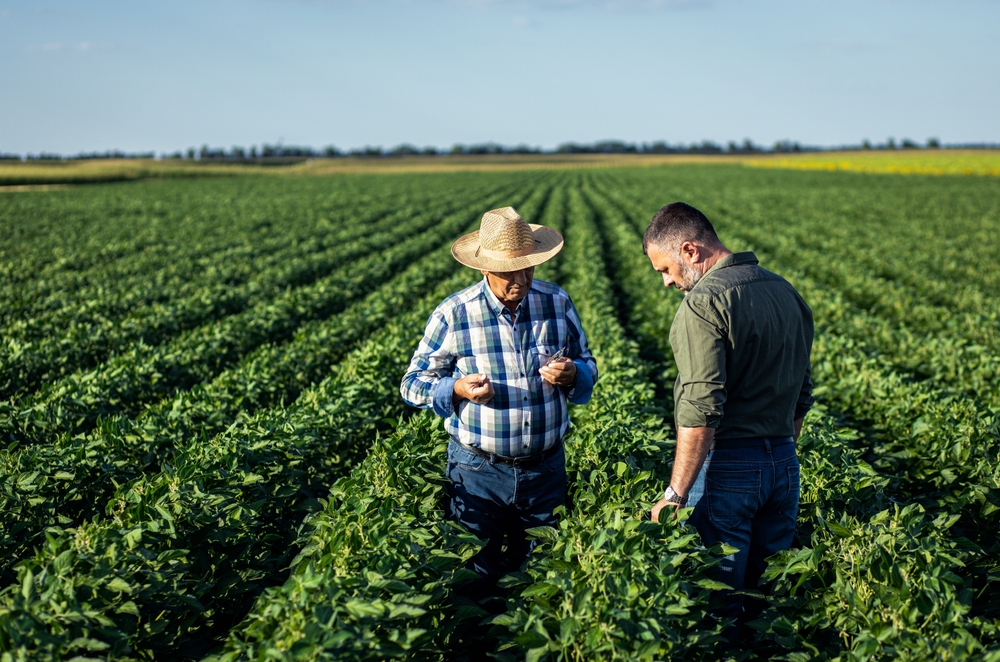
While the new law is a massive victory for public health advocates, it presents a much more complicated reality for the agricultural community. For farmers operating on razor-thin profit margins, losing a highly effective tool for managing weeds can feel like an economic threat.
Interestingly, the actual footprint of paraquat in Vermont is quite small. According to Steve Dwinell, the director of the Plant Industry Division at the state’s Agency of Agriculture, Food & Markets, the ban will not completely upend the state’s agriculture. “In Vermont, paraquat is used very little,” Dwinell explained. “So it’s not going to have much of an impact at all — except for those few farmers who use it for some very specific things.”
Those “specific things” primarily involve apple and berry growers. These farmers sometimes rely on paraquat to help young fruit trees survive by eliminating aggressive grasses that compete for nutrients in the soil. Because paraquat is cheap and does not seep deep into the soil to damage the tree’s roots, finding a replacement is difficult. Some local growers worry that a state-level ban places them at an unfair disadvantage against farmers in neighboring states like New York, who can continue using the budget-friendly chemical to keep their costs down.
However, for the rural residents and farmworkers who live and breathe near the fields where pesticides are sprayed, the ban is viewed as a literal lifesaver. Ron McConnell, a Vermonter who was diagnosed with Parkinson’s disease following workplace exposure to a different toxic substance, heavily campaigned for the bill. Emphasizing the vulnerability of agricultural workers, McConnell stated: “No matter how you slice and dice it, there’s no safe way to use paraquat. This law that Vermont just passed really is protecting the farmers that use it and the farmworkers that use it.”
Sparking a National Movement
While Vermont is a relatively small agricultural state, its new law provides a practical blueprint for public health advocates across the country. Lawmakers in at least 13 other states, including agricultural centers like California, New York, New Jersey, and Pennsylvania, are currently debating bills to restrict or ban the herbicide. Dan Feehan, chief policy and government affairs officer for The Michael J. Fox Foundation for Parkinson’s Research, noted that evidence linking paraquat to increased Parkinson’s risk has been building for years. He stated that other states should follow Vermont’s lead and urged the federal government to enact a national ban to protect all Americans.
This push for federal intervention is already gaining traction on Capitol Hill. U.S. Representatives Chellie Pingree of Maine and Anna Paulina Luna of Florida recently introduced the bipartisan Paraquat Prevention Act. If passed, this legislation would cancel all existing registrations for the chemical and prohibit its sale across the entire United States, permanently overriding the EPA’s ongoing regulatory reviews.
For advocacy groups, Vermont’s legislation proves that a statewide ban is legally and practically achievable. What began as a localized public health initiative in New England is rapidly evolving into a unified, bipartisan push to remove paraquat from American agriculture entirely.
Prioritizing People Over Pesticides

Vermont’s legislation proves that the convenience of harsh agricultural chemicals does not have to outweigh the long-term costs to human health. Farmworkers and rural residents have historically absorbed the highest risks of pesticide exposure while federal regulatory agencies maintained the status quo. Today, the connection between environmental toxins and progressive diseases like Parkinson’s is too significant to ignore. As Paul Burns, executive director of the Vermont Public Interest Research Group, stated during the legislative process, “There are some agricultural pesticides that are just too poisonous to be used safely.”
Securing a nationwide ban on paraquat relies directly on sustained public pressure. Individuals can protect their own communities by actively scrutinizing local agricultural policies and contacting state representatives to demand pesticide restrictions similar to Vermont’s House Bill 739. Furthermore, supporting research and advocacy organizations, such as The Michael J. Fox Foundation, provides the financial and political backing needed to push the bipartisan Paraquat Prevention Act through Congress. Vermont provided a practical, legally sound blueprint, and the responsibility now falls on voters and advocates nationwide to demand a safer agricultural system that prioritizes human health over crop yields.