Parkinson’s disease is usually associated with the brain, but scientists are increasingly investigating another part of the body that could hold important clues: the digestive system. Research into gut bacteria is revealing surprising connections between intestinal health, inflammation, and the neurological changes associated with the condition.
Several studies are now raising an intriguing possibility. Could improving the gut microbiome help people living with Parkinson’s disease manage certain symptoms? Researchers have already reported encouraging findings in human patients, while experimental treatments targeting the gut-brain connection have produced promising results in mice.
Scientists Are Finding Unexpected Connections Between the Gut and Brain
Parkinson’s disease is a progressive neurological condition that affects the brain’s ability to control movement. It develops as dopamine-producing nerve cells gradually become damaged or die. Dopamine is an important chemical messenger involved in movement, coordination, motivation, and several other brain functions.
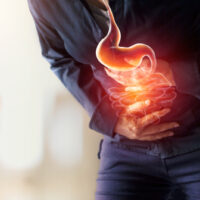
People with Parkinson’s commonly experience tremors, muscle stiffness, slowed movement, and difficulties maintaining balance. However, the condition can also affect several other bodily functions, including digestion, sleep, and energy levels. Constipation and other gastrointestinal problems are particularly common among people living with the disease.
Scientists have become increasingly interested in these digestive symptoms because they can sometimes appear years before the characteristic movement difficulties develop. This has encouraged researchers to investigate whether changes in the digestive system could be connected to the biological processes involved in Parkinson’s.
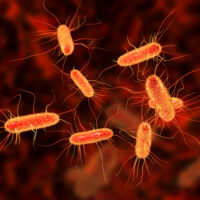
One area receiving considerable attention is the gut microbiome. This refers to the enormous community of microorganisms living inside the digestive tract. These include bacteria that help break down food, maintain the intestinal lining, and regulate immune responses.
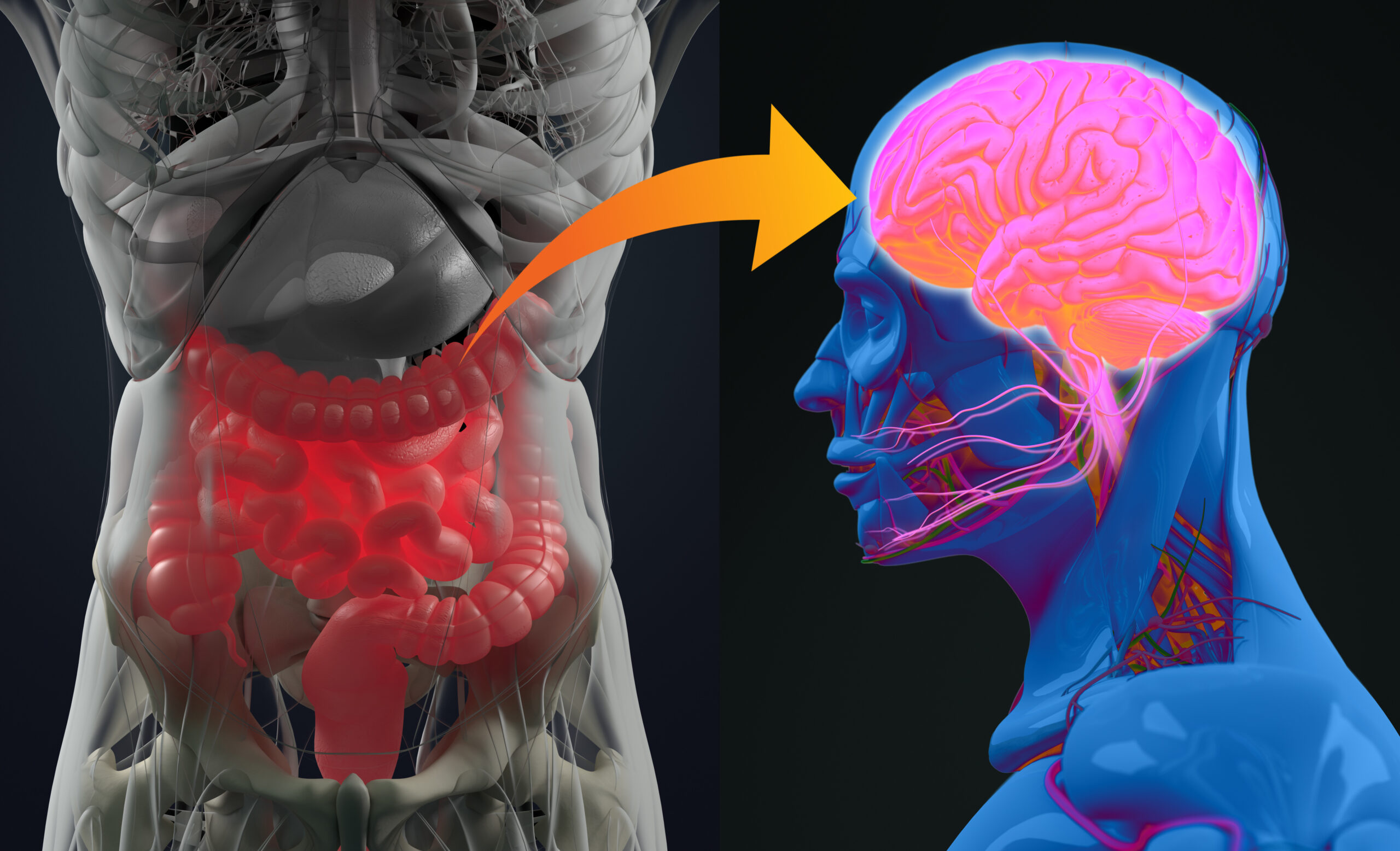
The gut and brain communicate through a network known as the gut-brain axis. This communication involves nerve pathways, immune signals, and substances produced by intestinal microorganisms. Researchers suspect that disruptions in this relationship could influence inflammation and other processes associated with neurological conditions.
Kerala Researchers Discover Differences in Gut Bacteria
A study involving researchers from Cochin University of Science and Technology (CUSAT) and the Sree Chitra Tirunal Institute for Medical Sciences and Technology (SCTIMST), Thiruvananthapuram, has added important evidence to this growing area of research.
The team compared the gut microbiomes of people living with Parkinson’s disease against those of healthy individuals. Their findings revealed significant differences in the bacterial communities present in the two groups.
The research involved 65 Parkinson’s patients attending SCTIMST’s Comprehensive Care Centre for Movement Disorders. Researchers also recruited 65 healthy individuals, most of whom were spouses of the patients. Including spouses helped create a comparison group with potentially similar diets and living environments.
What the Researchers Found in Patient Samples
The researchers collected stool samples and examined them using metagenomic sequencing techniques. This approach allowed them to identify bacterial communities and investigate their potential functions.
Their analysis revealed higher levels of certain bacteria potentially associated with inflammation among people with Parkinson’s disease. At the same time, the researchers found lower levels of beneficial bacteria that produce short-chain fatty acids.
These fatty acids help maintain the intestinal lining and regulate immune activity. When bacteria responsible for producing them become less abundant, the digestive system may experience changes that affect its protective functions.
The researchers suggested that these shifts could weaken the intestinal barrier and potentially allow inflammatory processes to spread.
Baby Chakrapani P. S., director of the Centre for Neuroscience and assistant professor in CUSAT’s Department of Biotechnology, explained that differences in bacterial abundance were strongly associated with disease severity and other clinical features of Parkinson’s disease.
He also explained that gut bacteria may be connected to disease progression through their influence on dopamine, glutamate, and GABA. These chemicals play important roles in communication between nerve cells and the regulation of brain activity.
Published in the scientific journal npj Parkinson’s Disease, the research was described by its authors as the first Indian study to integrate gut microbiome composition with its functional role in Parkinson’s disease.
Probiotic Supplements Have Shown Benefits in Human Patients

The Kerala findings add to earlier investigations examining whether changing gut bacteria could improve symptoms associated with Parkinson’s disease.
One particularly interesting randomized trial involved patients who had both Parkinson’s disease and constipation. Researchers gave participants a probiotic intervention for three months and examined changes in their digestive health and other symptoms.
The results showed improvements in the participants’ gut microbiome. Researchers also observed improvements in several nonmotor symptoms, including constipation, fatigue, and sleep problems.
These findings attracted attention because Parkinson’s disease affects much more than movement. Digestive difficulties and sleep disturbances can significantly affect everyday comfort and quality of life.
Researchers Also Observed Changes in Levodopa Response
Another interesting finding involved levodopa, one of the most commonly prescribed medications for managing Parkinson’s disease.
Levodopa works by helping replenish dopamine in the brain. It can improve movement-related symptoms, although some patients experience delays before a dose begins producing noticeable effects.
This delay is commonly described as the time to “on.” It refers to the period between taking medication and experiencing its therapeutic benefits.
Participants receiving probiotics experienced a reduction in this delay. Their medication therefore began working sooner compared with their previous response.
Valentina Leta, MD, PhD, from King’s College London’s Institute of Psychiatry, Psychology and Neuroscience, presented these findings at the International Congress of Parkinson’s Disease and Movement Disorders in 2023.
During her presentation, Leta explained the widespread digestive involvement associated with the condition. She told attendees, “Virtually every person with Parkinson’s might have some degree of gastrointestinal dysfunction.”
She also discussed how pro-inflammatory changes in gut bacteria could contribute to gastrointestinal problems. According to Leta, interventions capable of modifying the gut microbiome could potentially become another therapeutic strategy worth investigating.
However, she acknowledged that clinical evidence remained limited, particularly beyond the treatment of constipation. The trial therefore provides encouraging early evidence rather than proof that probiotics can treat Parkinson’s disease itself.
Scientists Are Developing Experimental Treatments Inspired by Probiotics
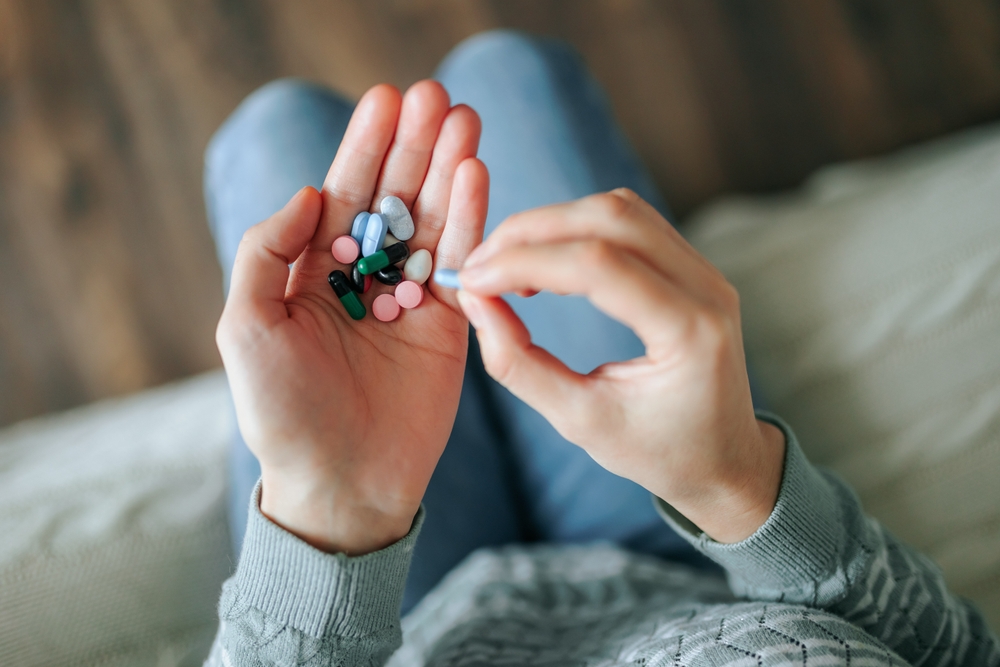
While human research has focused partly on improving digestive symptoms, another scientific team has been investigating whether probiotic-inspired technology could deliver therapeutic substances directly through the gut.
Researchers from Zhengzhou University developed an experimental oral drug delivery system designed to target the gut-brain axis. Their approach involved modifying bacterial spores with substances intended to protect nerve cells and reduce oxidative damage.
The researchers tested the treatment in mouse models of Parkinson’s disease. Their findings suggested that the experimental system could reach the intestines, cross several biological barriers, and produce beneficial effects in the brain.
The approach was built around spores of Clostridium butyricum. This bacterium has previously attracted scientific interest because it produces butyrate through the fermentation of dietary fiber.
Butyrate is a short-chain fatty acid that can enter the central nervous system and influence several neuroinflammatory processes. Researchers have therefore investigated its potential role in supporting neurological health.
How the Modified Bacterial Spores Work
The team modified the bacterial spores by adding two substances: lactoferrin and liproxstatin-1. Each component was selected because of its potential role in protecting cells or helping therapeutic substances reach their intended destination.
Lactoferrin is an iron-binding protein that can interact with receptors expressed by intestinal cells and cells forming the protective blood vessels surrounding the brain. Liproxstatin-1 inhibits lipid peroxidation, a process associated with oxidative damage to cell membranes.
The researchers designed the modified spores to survive the harsh acidic conditions inside the stomach. After reaching the intestines, the protective spore coatings were shed, allowing their proteins to reassemble into nanoparticles carrying the added components.
These nanoparticles then crossed several biological barriers that have traditionally made oral brain-targeted treatments difficult to develop.
The barriers included intestinal mucus, intestinal cells, and the blood-brain barrier. The last of these is a protective structure that regulates which substances can enter the brain from the bloodstream.
In laboratory experiments, the system reduced oxidative stress in neurons and neuron-like cell models. The researchers suggested that the bacterial components and added substances could work through complementary protective mechanisms.
Experimental Treatment Improved Movement in Parkinson’s Mice
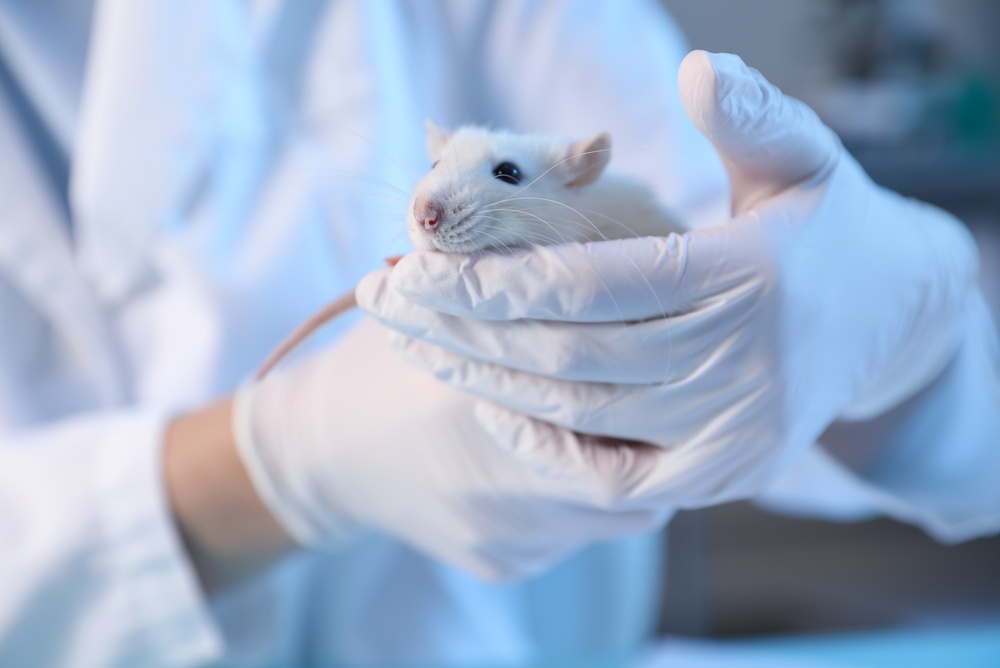
The most encouraging findings came from experiments involving mice with Parkinson’s-like neurological changes.
Researchers observed that mice receiving the modified bacterial treatment demonstrated better motor coordination than untreated animals with the condition.
Their movement-related outcomes were comparable to those of mice receiving levodopa. This suggested that the experimental approach could influence some of the biological processes responsible for movement difficulties.
The researchers also investigated whether the treatment could protect dopamine-producing neurons against damage.
According to their findings, the probiotic-inspired system protected these neurons more effectively than levodopa in the experimental models.
The study authors stated, “Results showed that the CBs-Lf/Lip protected against dopamine neuron loss and rescued behavioral deficits in mice.”
This finding attracted attention because preserving dopamine-producing neurons is a major research goal in Parkinson’s disease. Existing treatments can help manage symptoms, but they do not establish a way to prevent the underlying loss of these cells.
The researchers believe their delivery system could offer another direction for developing neurological treatments through the digestive tract.
However, these results came from animal experiments and laboratory models. Scientists have not yet established whether the treatment would produce similar benefits in human patients.
Why Researchers Are Paying Attention to the Gut-Brain Axis
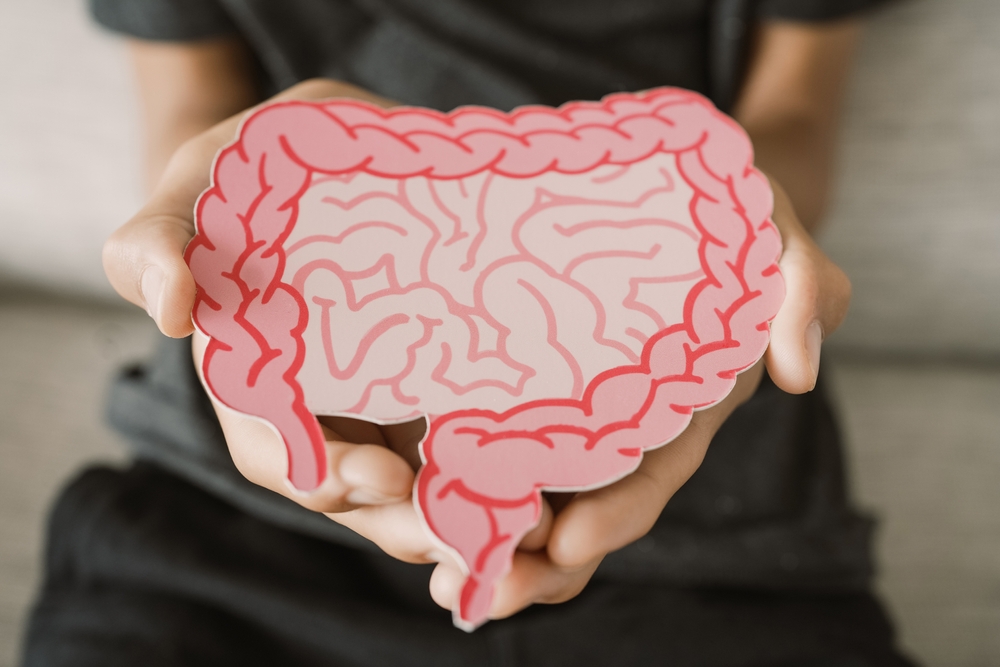
The emerging research has encouraged scientists to look more closely at how digestive health could influence neurological conditions.
The gut microbiome performs several functions that extend beyond digestion. Its microorganisms produce substances that interact with intestinal cells, influence immune activity, and communicate with other systems throughout the body.
Short-chain fatty acids are one example. These substances are produced when certain gut bacteria ferment dietary fiber. They help support the intestinal barrier and participate in processes that regulate inflammation.
When the balance of gut bacteria changes, the production of these substances may also change. Researchers are investigating whether such disruptions could contribute to inflammatory processes associated with Parkinson’s disease.
The possibility that digestive changes may appear before movement symptoms is particularly interesting. Some people experience constipation and other gastrointestinal difficulties years before receiving a Parkinson’s diagnosis.
This has led scientists to investigate whether gut microbiome analysis could eventually contribute to earlier identification of the condition.
The Kerala research offers another useful starting point because it examines patients within an Indian population. Diet, age, sex, lifestyle, and genetics can all influence gut bacteria. These factors may help explain why studies involving different populations sometimes identify different microbial patterns.
More research will be needed to determine which bacterial changes are directly involved in the disease and which occur alongside its progression.
What These Findings Mean for Your Digestive Health
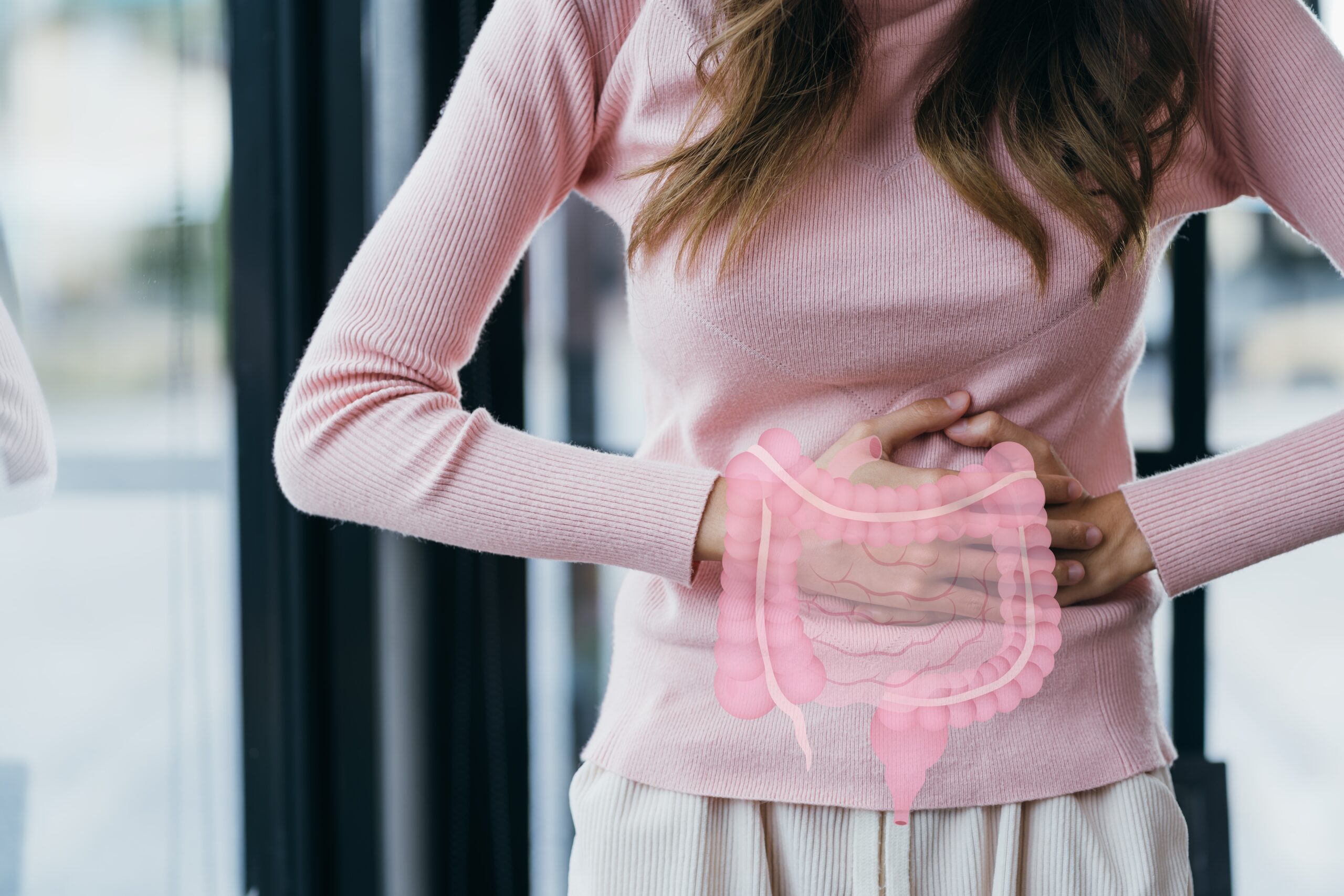
The growing interest in the gut-brain connection offers another reason to pay attention to digestive health. For people living with Parkinson’s disease, managing constipation and maintaining regular digestion can contribute to everyday comfort.
Probiotic supplements have shown potential for improving certain nonmotor symptoms in an early human trial. However, different probiotic products contain different bacterial strains, and their effects cannot automatically be considered interchangeable.
Supporting a healthy gut microbiome also involves everyday habits. A varied diet containing fiber-rich foods can help nourish beneficial intestinal bacteria and support regular bowel movements.
Vegetables, fruits, legumes, and whole grains are useful sources of dietary fiber. Drinking enough water can also help support digestion, particularly when fiber intake increases.
Regular physical activity, including walking and other suitable low-impact exercises, may help improve digestive regularity. People experiencing persistent constipation or other gastrointestinal symptoms should discuss them with their healthcare providers.
Anyone taking levodopa should also discuss major dietary changes or supplements with their medical team. Individual treatment plans may need to account for medication timing and other digestive considerations.
These habits support general health, but they should not be considered treatments for Parkinson’s disease or substitutes for prescribed medication.
Human Research Must Confirm the Experimental Results
The three research directions offer different pieces of evidence about the relationship between gut bacteria and Parkinson’s disease.
The Kerala study identified differences in the gut microbiomes of people with Parkinson’s and healthy individuals. The probiotic trial involving human patients reported improvements in constipation, sleep, fatigue, and the time needed for levodopa to take effect.
Meanwhile, the experimental bacterial delivery system produced encouraging results in mice, including improved motor outcomes and protection against dopamine-producing neuron loss.
Each finding opens further research questions. Scientists still need to determine whether specific bacterial changes contribute to disease development, whether modifying the microbiome can influence disease progression, and whether experimental delivery systems can work safely in humans.
The mouse research also identified challenges involving differences in intestinal environments between individuals. Such variations could influence how consistently an oral treatment performs.
For now, probiotics and experimental gut-targeted therapies remain areas of investigation rather than established Parkinson’s treatments. People living with the condition should continue following their prescribed medical care while researchers work toward stronger clinical evidence.
The digestive system may eventually offer scientists another way to understand and manage neurological disease. For millions of people affected by Parkinson’s, discovering what happens inside the gut could become an important part of the search for better treatments.