
Gray hair is usually one of the clearest signs that our bodies are changing with age. New research, however, suggests that those silver strands may also reveal something much more complicated about the way our cells respond to damage.
A study from researchers at the University of Tokyo has uncovered a surprising connection between hair graying and melanoma, a serious form of skin cancer. The research, conducted in mice, suggests that damaged pigment stem cells can follow two very different paths: they can permanently change and disappear, contributing to gray hair, or they can continue multiplying under certain conditions that may promote cancer development.
Gray Hair Begins With Cells That Make Your Hair Color
The color of your hair depends on pigment-producing cells called melanocytes. These cells are supplied by melanocyte stem cells, which live inside hair follicles and provide a reserve that can replenish pigment-producing cells as hair moves through its normal growth cycles.
Melanocyte stem cells are sometimes abbreviated as McSCs, and they play an important role in maintaining hair pigmentation. As hair grows and sheds, these stem cells help replenish the melanocytes needed to give new hair its color.
That system works for years, but the cells are exposed to damage throughout a person’s life. Ultraviolet radiation, chemical exposure and normal processes occurring inside the body can all contribute to DNA damage.
DNA contains the genetic instructions that allow cells to function and reproduce. When that genetic material becomes damaged, cells have several possible responses, including repairing the damage, stopping their growth or being removed from the tissue.
The new research focused on what happens when melanocyte stem cells experience particularly serious forms of DNA damage. The researchers were especially interested in DNA double-strand breaks, which involve breaks occurring across both strands of the DNA molecule.
Researchers Found A Protective Route Toward Gray Hair

The researchers used long-term lineage tracing and gene expression profiling in mice to follow melanocyte stem cells over time. Their goal was to understand how these cells responded to different forms of genetic stress and what happened to them afterward.
They found that melanocyte stem cells experiencing certain DNA double-strand breaks could enter a process known as senescence-coupled differentiation, or seno-differentiation. During this process, the damaged stem cells permanently mature into pigment-producing cells and are subsequently lost from the stem-cell population.
That loss has a visible consequence. When fewer melanocyte stem cells remain available to replenish pigment-producing cells during future hair cycles, hair gradually loses its color and begins to appear gray.
At first glance, that may sound like a straightforward explanation for an ordinary feature of aging. The researchers, however, believe the process could also have a protective function because eliminating damaged stem cells may reduce the chance that those cells will continue dividing with potentially harmful genetic changes.
Professor Emi Nishimura, who led the study, described the finding as evidence that the same population of stem cells can take opposing paths depending on the type of stress and the signals surrounding them. The researchers wrote that the cells can follow “antagonistic fates,” meaning that one outcome involves their exhaustion while another allows them to expand.
This distinction is central to the study because the researchers did not discover that gray hair directly prevents cancer. Instead, they found that a cellular process associated with some forms of hair graying may remove damaged cells that could otherwise remain capable of reproducing.
The Same Stem Cells Can Take A More Dangerous Path

The researchers then examined what happened when melanocyte stem cells encountered different kinds of environmental stress. This produced a much more complicated picture because not every type of DNA damage triggered the same response.
When the mice were exposed to certain carcinogenic chemicals or ultraviolet B radiation, the damaged melanocyte stem cells could bypass seno-differentiation. Rather than permanently differentiating and disappearing from the stem-cell population, some of these cells retained their ability to renew themselves.
That difference could have important consequences. A damaged stem cell that exits the population can no longer continue producing copies of itself, while a damaged stem cell that survives and expands has more opportunities to pass genetic abnormalities to its descendants.
The researchers found that signals from the cells and tissues surrounding melanocyte stem cells could influence this decision. One of the signals identified in the study involved KIT ligand, which can be produced by the local cellular environment and the epidermis.
Under certain carcinogenic conditions, these signals appeared to suppress the protective differentiation response. This allowed damaged melanocyte stem cells to maintain their self-renewal capacity and expand clonally.
The result was a cellular environment that could favor the development of melanoma. The finding helps explain why the type of stress a cell experiences, as well as the environment around that cell, can influence whether damage leads toward tissue aging or tumor development.
What Melanocyte Stem Cells Have To Do With Melanoma
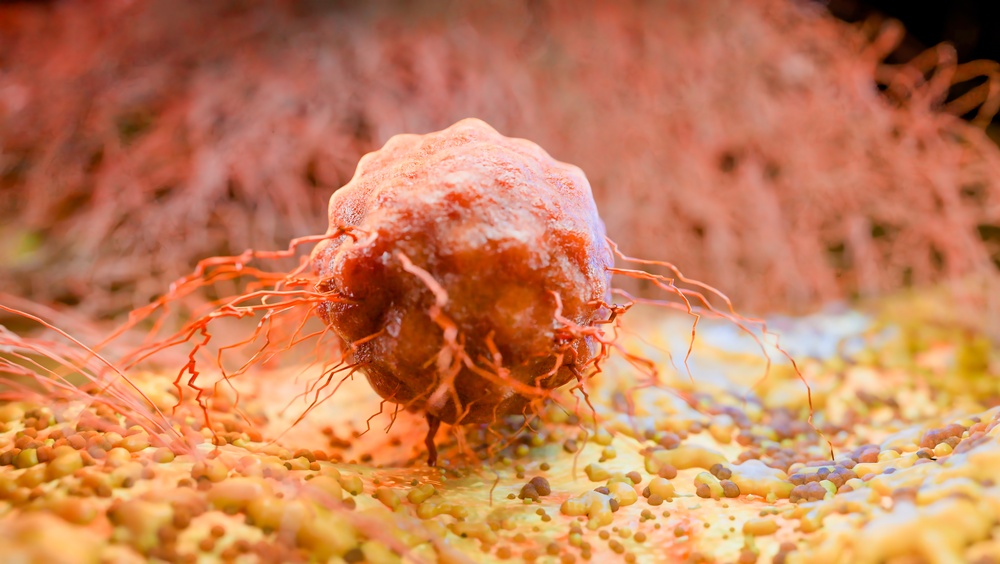
Melanoma is a form of skin cancer that involves pigment-producing cells. Because melanocyte stem cells provide the source for pigment-producing cells, understanding how these stem cells respond to DNA damage could give researchers useful clues about how certain cancers begin.
The study suggests that the decision made by a damaged melanocyte stem cell can have very different consequences. A cell that undergoes seno-differentiation becomes permanently differentiated and is eventually removed from the stem-cell pool, while a cell that avoids that pathway can continue renewing itself.
The researchers found that carcinogenic exposure could encourage the second outcome in their mouse model. Damaged cells that continue to divide can expand into a larger population, creating conditions that may increase the opportunity for cancer-promoting changes to accumulate.
Nishimura explained that the findings “reframe hair graying and melanoma not as unrelated events, but as divergent outcomes of stem cell stress responses.” That does not mean gray hair should be viewed as a personal cancer shield, but it does show how closely aging and cancer biology can be connected at the cellular level.
This distinction is especially important because a headline suggesting that gray hair protects against cancer would go beyond what the research actually demonstrates. The study points to a possible protective cellular mechanism that happens to contribute to graying, rather than proving that people with gray hair have lower cancer risk.
Why The Body Would Sacrifice A Stem Cell
Your body has to constantly balance two competing needs: maintaining healthy tissues and preventing damaged cells from becoming dangerous. Stem cells are essential for maintaining tissues because they can produce new cells over long periods, but their ability to renew themselves can become a problem when genetic damage is involved.
A damaged stem cell that continues multiplying can potentially spread its abnormal characteristics. Removing that cell may reduce the risk, but repeatedly losing stem cells can also reduce the regenerative capacity of a tissue as time passes.
The new study provides an example of this biological trade-off. In the case of melanocyte stem cells, permanent differentiation and eventual loss can contribute to visible aging through hair graying while potentially removing cells that have sustained dangerous damage.
This may help explain why aging and cancer often become more closely linked over time. As tissues age, their stem-cell reserves and repair systems can change, while the body has also accumulated decades of exposure to factors capable of damaging DNA.
The researchers’ findings suggest that the fate of individual stem cells can influence both processes. A cell may be eliminated to protect the tissue, or it may survive and continue dividing when the surrounding signals favor renewal.
The Study Also Highlights The Role Of DNA Damage
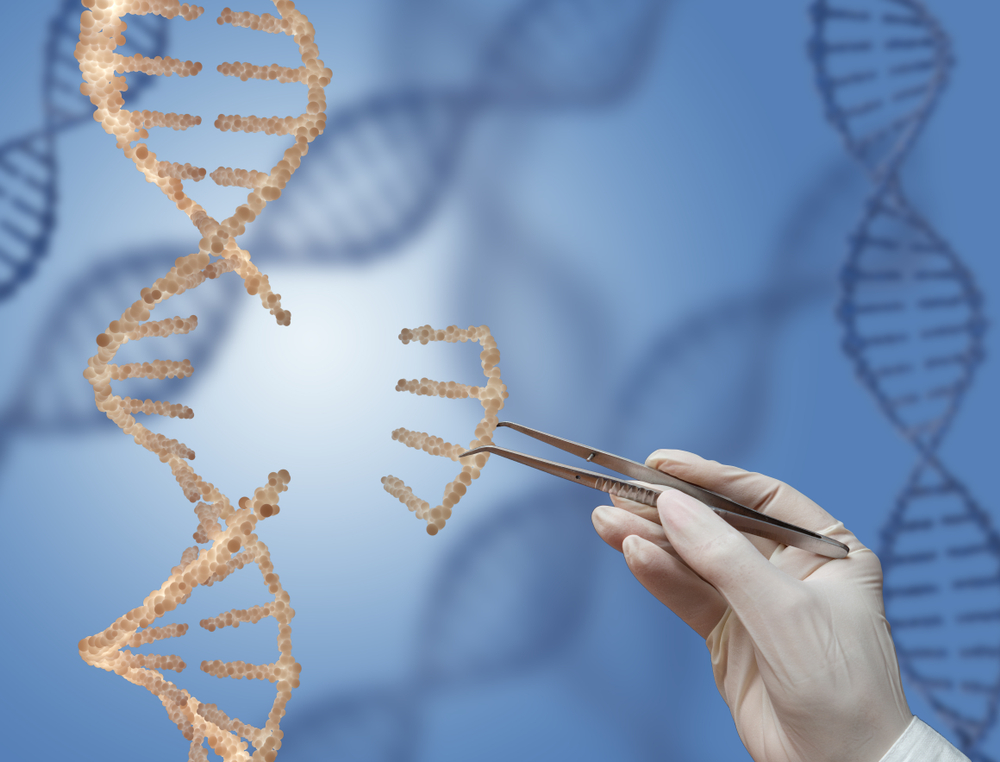
DNA damage is a normal challenge for living cells. The body has sophisticated mechanisms for identifying and repairing genetic problems, but those systems cannot prevent every form of damage from occurring.
Ultraviolet radiation is one familiar source of DNA damage, which is particularly relevant to skin health. Chemical exposures and internal cellular processes can also contribute to genetic stress over a lifetime.
The new research examined how melanocyte stem cells respond when that stress becomes significant. Rather than treating DNA damage as a single event with one predictable outcome, the researchers found that different types of stress can push the same cells toward different biological responses.
One important pathway identified in the study involved p53 and p21. These molecules are involved in cellular responses to DNA damage, and their activation was associated with the seno-differentiation process observed in the mice.
The researchers also identified signals capable of interfering with that protective pathway under certain carcinogenic conditions. That finding could eventually help scientists understand why some damaged cells are removed while others survive and expand.
For now, those possibilities remain an area for further research. The study provides a biological framework, but it does not establish a new method for preventing or treating cancer.
What This Research Does Not Mean For Your Health

It would be easy to look at these findings and assume that someone with more gray hair must have a lower risk of melanoma. There is no evidence from this study that supports using gray hair as a measure of an individual’s cancer risk.
The major experiments were conducted in mice, and biological differences between mice and humans mean the findings cannot automatically be applied to people. Researchers will need to determine whether human melanocyte stem cells respond to DNA damage through the same mechanisms.
The study also does not suggest that people should try to encourage gray hair. There is no established health benefit to allowing hair to gray, and the researchers were studying the cellular mechanisms behind pigmentation rather than developing a treatment based on hair color.
The most useful interpretation is more cautious. Gray hair may sometimes be a visible consequence of a protective response that removes damaged pigment stem cells, but having gray hair does not mean someone is protected from cancer.
There Are Still Practical Lessons For Skin Health
Although the research does not provide a new cancer-prevention treatment, it reinforces the importance of understanding how environmental stress can affect cells. Some of the exposures examined by researchers, particularly ultraviolet radiation, are already known to be relevant to skin health.
Protecting your skin from excessive UV exposure remains one of the most practical steps you can take. Using appropriate sun protection, seeking shade and avoiding prolonged exposure during periods of intense sunlight can reduce unnecessary UV exposure.
It is also worth paying attention to changes in your skin rather than focusing on your hair color. New or changing spots, moles or other unusual skin changes can have many causes, but persistent changes are worth discussing with a healthcare professional.
A few sensible habits can support long-term skin health:
- Protect against excessive UV exposure: Regular sun protection can help reduce the amount of ultraviolet radiation reaching your skin. This is relevant because UV radiation can damage DNA and is an established risk factor for skin cancer.
- Pay attention to skin changes: Keep an eye on new or changing spots and moles. If something changes in appearance or persists, professional evaluation can help determine what is happening.
- Do not use gray hair as a health test: The study does not establish that the amount of gray hair someone has predicts their risk of melanoma. Hair color should not be used as a substitute for appropriate skin-health awareness.
- Keep the findings in perspective: The research was performed primarily in mice, so further studies are needed to establish how closely the mechanism applies to humans. Future research may reveal whether the same cellular pathways operate in people.
These steps do not depend on whether your hair is gray or still has its original color. They are practical ways to approach skin health while scientists continue investigating the cellular mechanisms revealed by the study.

The Findings Could Change How Scientists Think About Aging
One of the most interesting aspects of the research is the way it connects two processes that are often considered separately. Aging involves the gradual loss of tissue function, while cancer involves cells acquiring the ability to survive and multiply inappropriately.
At the cellular level, those processes can be connected. A damaged stem cell that disappears may contribute to the loss of regenerative capacity, while a damaged stem cell that survives may contribute to tumor formation under the right conditions.
The melanocyte stem cells studied by the University of Tokyo researchers offer a particularly visible example because their behavior can eventually show up as a change in hair color. That gives researchers a way to observe an outward sign of a much deeper cellular process.
The study also raises questions about whether similar decisions occur in other stem-cell populations. Researchers will need to determine whether the same balance between protective cell loss and dangerous expansion exists elsewhere in the body.
If similar mechanisms are found, understanding them could eventually contribute to new approaches in aging and cancer research. The immediate finding, however, is more specific: researchers have identified opposing fates for damaged melanocyte stem cells in mice.
Gray Hair May Tell A More Complicated Story About Aging
For most people, gray hair is simply part of getting older. This research suggests that beneath that familiar change is a cellular process involving DNA damage, stem-cell behavior and the body’s efforts to control potentially dangerous cells.
When melanocyte stem cells experience certain forms of serious DNA damage, they can undergo seno-differentiation and eventually disappear. That can contribute to hair graying while also removing damaged cells from a population that would otherwise continue renewing itself.
Under different conditions, particularly exposure to certain carcinogens and UVB in the mouse experiments, damaged cells can bypass that protective process. They can retain their ability to renew themselves and expand, creating conditions associated with melanoma development.
That does not make gray hair a cancer-prevention strategy, and it does not mean that people with gray hair have less cancer risk. What it does show is that a familiar sign of aging may be connected to an intricate cellular decision that scientists are only beginning to understand.
For now, the healthiest takeaway is simple: gray hair can be a normal part of aging, while protecting your skin from excessive UV exposure and paying attention to changes in your skin remain far more meaningful steps for everyday health.