
Louise Altese-Isidori had just moved to Florida with her family and was enjoying a fresh chapter of her life when people began telling her how great she looked. She was 50, active and feeling perfectly healthy, with no obvious reason to suspect anything was seriously wrong inside her body.
Then doctors discovered that ovarian cancer had already spread extensively. What began with a routine scan and an ovarian cyst eventually led to a diagnosis of Stage 4B cancer and a massive operation in which surgeons removed seven organs.
Louise Was Celebrating Her New Life Without A Clue
Altese-Isidori was a lifelong New Yorker who had recently relocated to Florida with her family. Her husband, chef Joe Isidori, was expanding his Manhattan Italian restaurant, Arthur & Sons, and Louise was at the opening celebration when guests started commenting on how good she looked.
The compliments were particularly striking because Louise had no reason to think she was ill. She felt healthy and was enjoying life after the move, unaware that a serious disease was already developing inside her.
“Everyone was complimenting me, telling me I looked so great,” Altese-Isidori recalled. “Meanwhile, I was riddled with cancer.”
Her story would soon become a startling example of how different someone’s outward appearance can be from what doctors eventually discover. Louise had no dramatic warning that sent her rushing to a hospital, and she had not been dealing with symptoms that made cancer an obvious possibility.
A Routine Scan Found Something She Could Not Feel
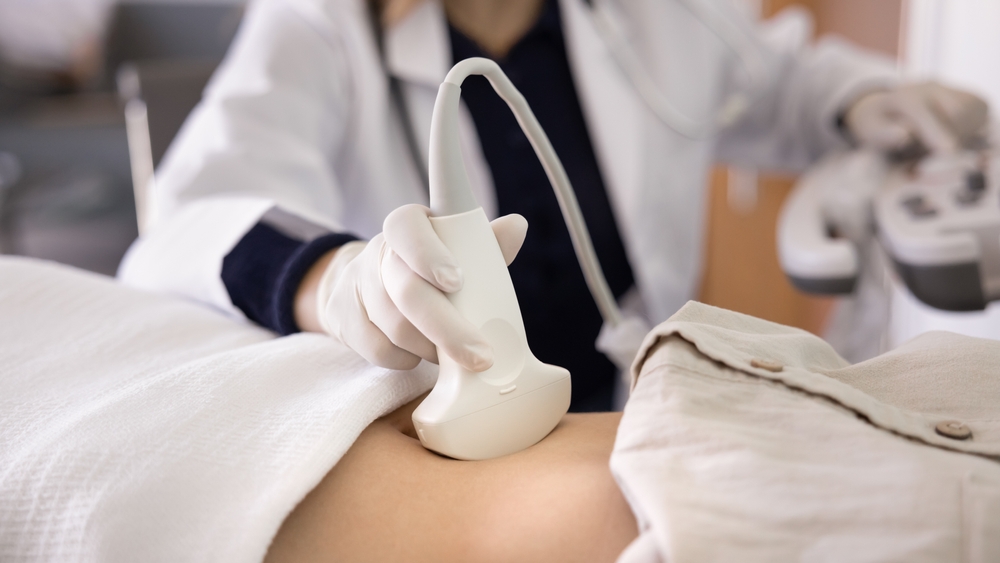
Louise had not originally been closely monitoring her ovarian health. According to her account, a fertility doctor had recommended that she undergo a transvaginal sonogram every six months, while another doctor reportedly considered that level of testing unnecessary.
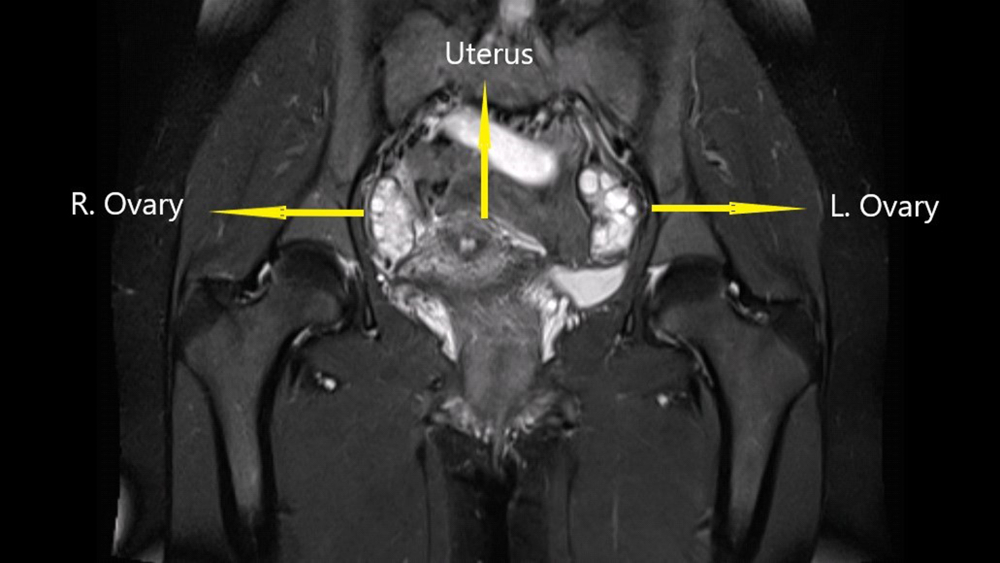
Louise ultimately decided that having the scan once a year was no big deal. During one routine gynecological visit in October, however, her doctor discovered a large cyst on her ovary.
The finding was significant because Louise had not experienced anything that made her suspect there was a serious problem. Her doctor ordered an Ova1 blood test to assess whether the mass might be cancerous, but the result came back negative.
A second test performed about a month later was also negative. Despite those results, the cyst remained, and Louise followed through with her doctor’s recommendation to have her ovaries removed because she did not plan to have more children.
The Surgeon Saw Something That Worried Him
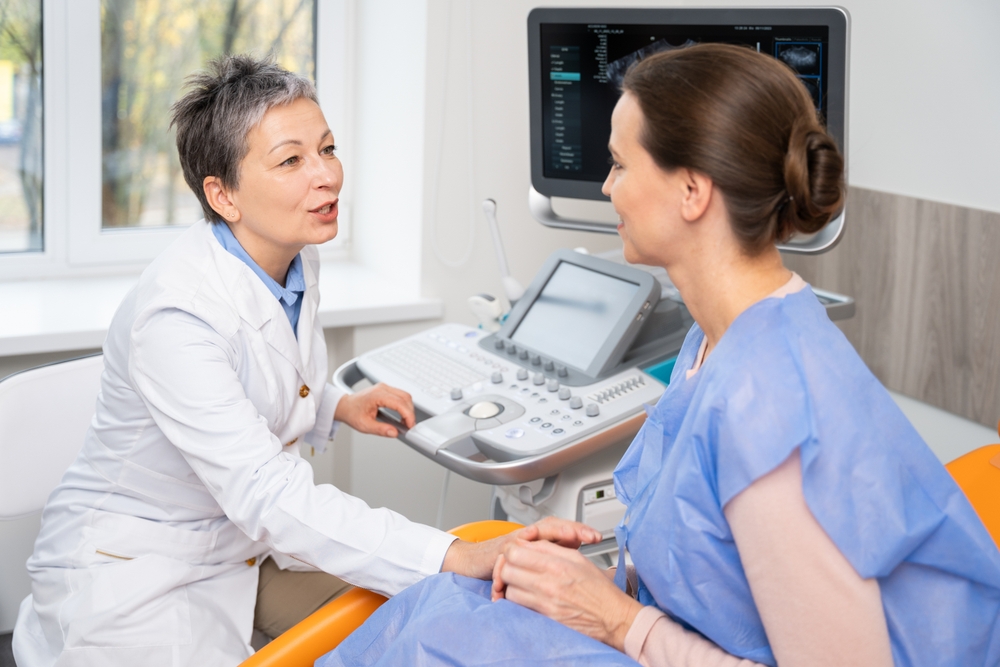
The situation changed when the surgeon reviewed Louise’s ultrasound before the procedure. Although the earlier blood tests had not indicated cancer, the surgeon remained concerned about what he was seeing.
“I don’t want to scare you because your test came back negative, but I don’t like the way things are looking,” he told Louise, according to her account published by the New York Post.
He wanted to perform the operation as soon as possible. Louise still had no idea how serious the situation was, but the concern surrounding the imaging meant the planned procedure was no longer something she could simply treat as routine.
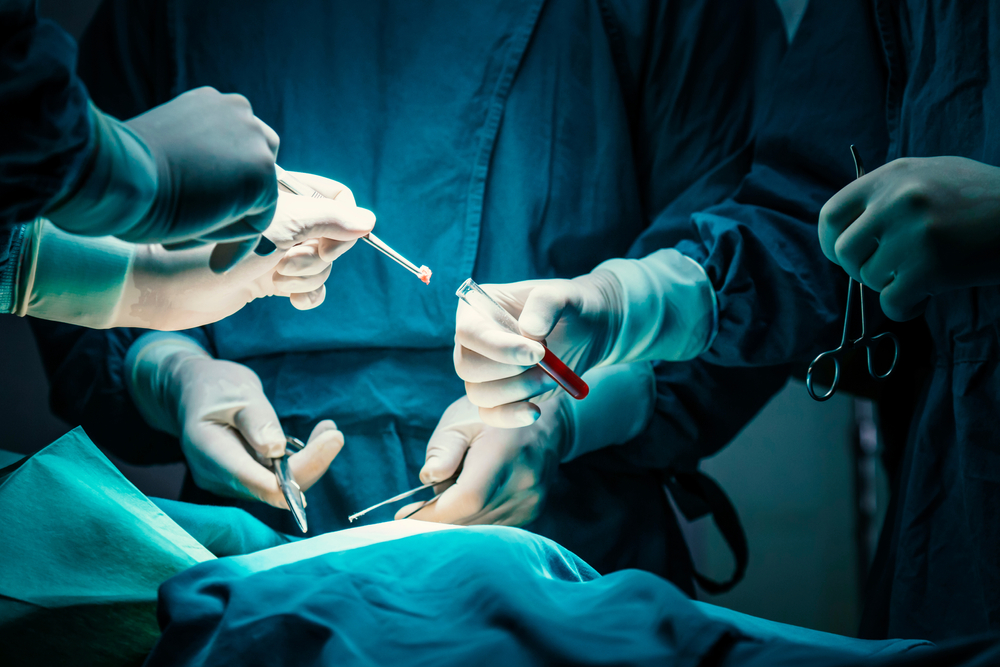
On Dec. 20, she went into surgery. What doctors discovered once they were inside her abdomen was far more serious than anyone had expected from the earlier testing.
Surgeons Found Cancer In Multiple Parts Of Her Body
During the operation, doctors discovered extensive cancer. Louise said surgeons found cancer involving her colon and liver, with disease already present in her chest as well.
“When he went in, he was able to see that I was filled with cancer,” she recalled.
A biopsy confirmed Stage 4B ovarian cancer, meaning the disease had spread to distant parts of the body. Louise said she was stunned and struggled to believe the diagnosis after feeling completely normal.
“I was in complete shock. I kept waiting for someone to say they made a mistake,” she said.
Her husband and family immediately began arranging specialist treatment. Within days, Louise had secured a place at Memorial Sloan Kettering Cancer Center in New York, where she was treated by Dr. Dennis Chi, head of the hospital’s Ovarian Cancer Surgery Section.
Seven Organs Were Removed During Her Next Surgery
Louise returned to the operating room on Jan. 15 for an extensive cancer operation. The surgery involved removing seven organs or structures as doctors worked to address the cancer that had spread through her abdomen.
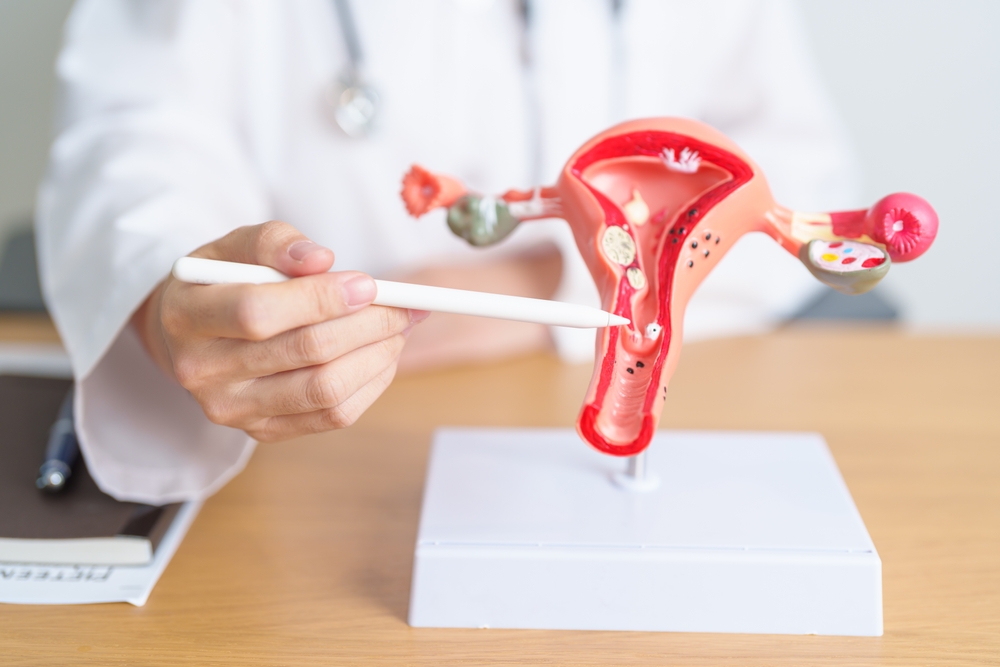
The operation included removal of her ovaries and uterus, along with her fallopian tubes, spleen, appendix and gallbladder. Surgeons also dealt with cancer involving her colon and liver, while part of her liver and colon were able to be preserved.
The scale of the procedure was difficult to process for someone who had recently been attending restaurant openings and hearing people tell her how healthy she looked. Her recovery would involve a major abdominal incision, an extended hospital stay and a temporary colostomy bag.
Louise later found a way to joke about one of the strangest details of the ordeal. After having so much removed, she expected the difference on the scale to be substantial.
“I thought, ‘That’s going to give me five pounds.’ But I was so disappointed … it was like 10 ounces,” she recalled.
The Battle Continued Long After The Operation
Surgery was only one stage of Louise’s treatment. She remained in the hospital for 18 days and then faced chemotherapy, eventually completing six rounds between Memorial Sloan Kettering and the Miami Cancer Institute.
She described the experience as “mental warfare.” Physically, she dealt with fatigue, body aches and hair loss, while also adjusting to the temporary colostomy bag that became part of her daily life after the operation.
The recovery was difficult enough that Louise initially spent much of her time in sweatpants. Eventually, though, she decided she wanted to regain some control over the ordinary parts of her life.
“I was wearing sweatpants in the beginning, but eventually, I was like, you know what? Screw this. I’m getting dressed up,” she said.
That decision might sound small compared with everything happening medically, but for Louise it represented a return to normality. She began showing up to appointments dressed in clothes that made her feel like herself rather than someone defined entirely by cancer treatment.
Her Treatment Eventually Brought Better News
After months of surgery and chemotherapy, Louise received signs that the treatment was working. She underwent surgery to reverse her colostomy, allowing another part of her normal routine to return.
Her CA 125 level also returned to normal. CA 125 is a protein that can become elevated in some people with ovarian cancer, although it is not specific enough to serve as a general screening test for average-risk women.
Louise was told she was technically in remission. After the months of uncertainty, surgery and chemotherapy, she celebrated the news with a remission cake surrounded by people close to her.
Her family included her 8-year-old son, Roman, and her 94-year-old mother. Louise said her hair was growing back and that she felt good, giving her a chance to start thinking about life beyond the treatment schedule.
Ovarian Cancer Can Be Hard To Detect Early
Louise’s experience has attracted attention partly because she did not feel sick when doctors discovered the cancer. Her case demonstrates how a person can appear healthy while doctors are investigating an internal abnormality that cannot be detected simply by looking at them.
The Ovarian Cancer Research Alliance lists symptoms that can include bloating, pelvic or abdominal pain, difficulty eating or feeling full quickly and urinary symptoms. Symptoms that are new, persistent or unusual should be discussed with a healthcare professional.
There is also an important distinction between investigating a specific abnormality and screening an otherwise healthy person who has no symptoms. Louise’s testing began after doctors discovered a large ovarian cyst, which created a specific medical issue that required further evaluation.
Her story therefore should not be interpreted as proof that a particular blood test or ultrasound can reliably screen everyone for ovarian cancer. Her diagnosis came from the combination of imaging, medical evaluation, surgery and biopsy rather than one test alone.
Louise Now Wants Women To Pay Attention
After everything she experienced, Louise began speaking publicly about ovarian cancer and her own diagnosis. She wants other women to understand that serious disease can sometimes exist without the dramatic symptoms people expect.
Her experience has also shaped how she talks about her Stage 4 diagnosis. She does not want people to hear the words “Stage 4” and automatically assume that life has immediately come to an end.
“Maybe I took one for the team [and] now there’s a woman behind me who doesn’t have to,” Louise said.
She has also spoken about the way her experience changed her understanding of what surviving advanced cancer can look like. The treatment was extensive, but she continued building a life around her family, recovery and future plans.
“I want to redefine the face of stage four cancer,” she said. “I want people to know that you could still have a full life, even with a colostomy bag.”
Her Story Has Left Her Focused On Hope
Louise continues to receive follow-up care and takes a daily PARP inhibitor, according to the New York Post report. Her treatment journey has moved from emergency surgery and chemotherapy toward the longer process of monitoring her health and rebuilding her everyday life.
“I want to let people know that there’s a lot of hope,” she said. “It’s not a dead end.”
Her experience began with something remarkably ordinary: a woman who felt healthy, attended a restaurant opening and listened as people told her she looked great. Within months, she had learned that cancer had already spread through multiple parts of her body.
That contrast is the part of Louise’s story that stays with you. Her experience does not mean every healthy person needs the same tests, but it does show why persistent abnormalities deserve proper medical attention, even when someone feels completely fine.